
Ultimate Guide to Collagen for Skin Health: How to Keep Your Skin Plump and Radiant

This post contains affiliate links, which means we may earn a commission if you purchase through our links—at no extra cost to you. As an Amazon Associate we earn from qualifying purchases. We only recommend products we use or trust. Learn more about affiliate marketing or read our full disclosure.
You know that glow we all wish we could keep forever?
A lot of it comes down to collagen—the protein responsible for keeping your skin firm, hydrated, and resilient.
The tricky part?
As we age, our collagen production naturally slows down, which can show up as fine lines, wrinkles, and sagging skin.
The good news is that once you understand how collagen works and what affects it, there’s a lot you can do to support it.
In this ultimate guide, I’ll walk you through why collagen is so important for your skin, how to naturally boost it, and the best ways to bring it into your daily routine—so you can keep your skin looking radiant, youthful, and oh-so-plump.
Ready to dive in? Let’s go!
Skin Health and Collagen
Think of your skin’s collagen as your skin’s personal scaffolding—it’s what gives your skin structure, firmness, and that bouncy, youthful feel.
Collagen isn’t just in your skin; it’s all over your body—in bones, tendons, and ligaments—but when it comes to a smooth, radiant complexion, it’s a real superstar.

It’s made from amino acids like glycine, proline, and hydroxyproline, which come together to form strong fibers that keep your skin elastic and plump.
Here’s the catch: starting in your late 20s to early 30s, your body naturally slows down collagen production.
That slowdown can sneak up on you in the form of:
- Fine lines and wrinkles
- Skin that feels less firm and elastic
- Thinner, drier skin
Keeping collagen levels in your skin up is key to maintaining that healthy, youthful look.
The good news?
There are ways to support it.
related Posts:
- Top Collagen Benefits for Skin, Hair, and Joints You Need to Know
- 7 Collagen Peptides Benefits: What You Need to Know for Better Health and Beauty
- How Collagen Helps with Anti-Aging: What You Need to Know
- 7 Ways Stress Destroys Your Collagen Levels And How to Stop It
- 4 Easy Ways to Boost Collagen Naturally for Youthful Skin
Collagen and Skin Aging
Skin aging is largely driven by a reduction in collagen. As collagen levels decline over time, your skin’s ability to regenerate and repair itself slows down too.
This is when wrinkles, sagging, and a loss of radiance start to appear.
While aging is inevitable, factors like sun exposure, smoking, pollution, and poor diet can speed up this process—making it even more important to support the collagen in your skin through smart skincare and lifestyle choices.
Sun exposure is one of the biggest contributors to collagen breakdown. UV rays trigger enzymes called matrix metalloproteinases (MMPs), which break down collagen fibers in the skin.
Over time, this damage weakens the skin’s structure and leads to photoaging, showing up as fine lines, wrinkles, and age spots.
Smoking also takes a serious toll on collagen. It reduces blood flow to the skin, limiting the oxygen and nutrients your skin needs to stay healthy.
On top of that, the chemicals in cigarette smoke break down collagen and elastin fibers, accelerating premature aging and loss of firmness.
Collagen’s Role in Hydration and Elasticity
Collagen does more than just keep your skin firm—it also plays a big role in keeping your skin hydrated.
Think of collagen fibers as tiny moisture holders. They bind to water molecules and help your skin stay smooth, plump, and comfortable.
When collagen levels start to drop, your skin can lose moisture more easily, which often shows up as dryness and a rougher texture.
Collagen is just as important when it comes to elasticity.
As collagen declines, your skin doesn’t stretch and bounce back the way it used to. That’s when wrinkles and sagging become more noticeable.
Lower collagen levels can also slow down your skin’s natural healing process, making it more prone to damage and taking longer to recover.
How to Boost Collagen for Radiant Skin
Here’s the good news: there are plenty of ways you can support your body’s natural collagen production.
With a few smart changes—from what you eat to the skincare products you use—you can help keep your skin looking plump, smooth, and youthful.
1. Collagen Supplements
Collagen supplements are one of the easiest and most effective ways to support collagen production. They come in several forms, including powders, capsules, and liquids.
Most supplements contain hydrolyzed collagen, which means the collagen has been broken down into smaller peptides that are easier for your body to absorb.
If you’re new to collagen supplements, here’s a quick breakdown of the most common types:
Type I Collagen
This is the most abundant type found in your skin, hair, and nails. It’s the go-to choice for supporting skin firmness and overall appearance.
Type II Collagen
Primarily found in cartilage, this type is especially helpful for joint health rather than skin.
Type III Collagen
Often found alongside Type I collagen, it supports skin structure and elasticity, helping skin stay smooth and resilient.
If you’ve ever tried collagen before and stopped because it upset your stomach, you’re not alone. That was one of my biggest frustrations.
Some formulas left me feeling bloated or uncomfortable, which made it hard to stay consistent — and consistency is everything when it comes to supporting your skin collagen.
The one I personally use and love is Sports Research Collagen Peptides Unflavored (available on iHerb). What really stands out to me is how gentle it is. It doesn’t upset my stomach at all, which makes it easy to take every single day without thinking twice about it.
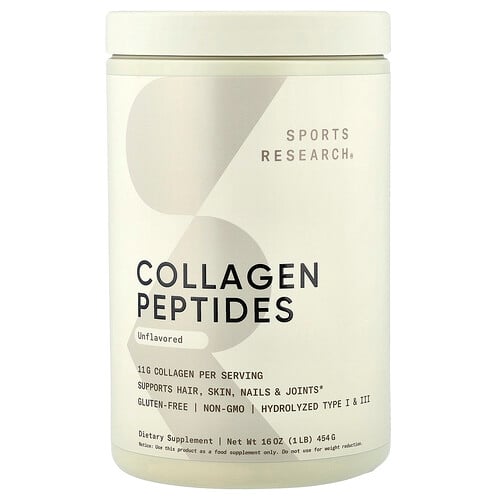
Sports Research, Collagen Peptides, Unflavored, 1 lb (454 g)
It’s also third-party tested, which gives me peace of mind about quality and purity — especially since this is something I’m putting into my body daily.
I’ve genuinely seen improvements too — my skin feels smoother, more hydrated, and noticeably firmer. Even areas where my skin used to look less smooth appear more even and tighter over time.
They do offer flavored options, but I personally stick with the unflavored version because I prefer to avoid extra additives or sweeteners. I usually mix it into my hot oatmeal in the morning.
It does slightly alter the taste, but nothing that bothers me — it’s subtle enough that it just feels like part of the meal.
If you’re looking for a collagen supplement that supports your skin collagen, is easy on your stomach, and fits naturally into your routine, this has been a really reliable choice for me.
If you’re curious about trying different types of collagen, another option worth considering is Sports Research Marine Collagen Unflavored (available on iHerb).
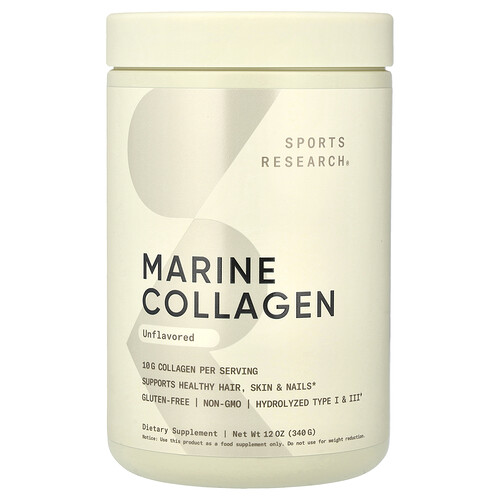
Sports Research, Marine Collagen, Unflavored, 12 oz (340 g)
Some people prefer marine collagen because it’s sourced from fish, which naturally contains amino acids that may support skin elasticity and hydration — and it’s often easier to digest for those who are sensitive to beef- or pork-based collagen.
Key Benefits:
When taken consistently, collagen supplements may offer several skin-boosting benefits:
- Smoother skin texture: Helps improve elasticity and hydration while softening the look of fine lines
- Reduced appearance of wrinkles: Supports skin density, making skin feel firmer and more youthful
- Improved hydration: Helps your skin hold onto moisture for a plumper, dewier look
Research suggests that taking collagen daily can improve skin hydration, firmness, and elasticity, with visible results often appearing within 4 to 6 weeks.

2. Topical Collagen Skincare Products
Taking collagen internally is great, but your skincare routine can also play a role in supporting skin collagen. Topical products like creams, serums, and masks are designed to hydrate, nourish, and give your skin the building blocks it needs to stay plump and radiant.
Here’s what to look for in collagen-boosting skincare:
Peptides
Peptides act like little messengers that signal your skin to support its natural collagen production. Ingredients such as palmitoyl pentapeptide-4 or copper peptides are especially known for encouraging collagen synthesis and helping skin feel firmer and more resilient.
A standout option that checks these boxes is Medik8 Liquid Peptides Serum 30ml (available on Amazon). This serum is formulated with a blend of targeted peptides that work to support skin’s structure and elasticity.
Because it’s lightweight and absorbs quickly, it layers well under moisturizers and makeup without feeling heavy.
Using a peptide serum like this consistently can help enhance the skin’s plumpness and improve texture over time — making other collagen-supporting steps in your routine work even better.
Vitamin C
This powerhouse vitamin is essential for collagen formation. It helps stabilize collagen molecules and supports the conversion of proline into hydroxyproline — a key step in strengthening the fibers that keep skin firm.
A great option to consider is Obagi Medical Professional-C Serum 10% (available on Amazon). This serum delivers a stable form of vitamin C that works deeply in the skin to help defend against free radical damage and support healthy collagen production.
Because it’s formulated at 10%, it offers a balance of effectiveness and gentleness, making it suitable for many different skin types — even those that might be sensitive to higher strengths.
Incorporating a vitamin C serum like this into a morning routine not only supports collagen production, but also helps brighten the complexion and improve overall skin tone.
Just don’t forget to use sunscreen afterward. Vitamin C makes the skin more sensitive to UV exposure, so protecting the skin is essential.
Hyaluronic Acid
While collagen gives structure, hyaluronic acid helps lock in moisture, keeping your skin feeling hydrated and bouncy. Together, they’re a dream team for maintaining elasticity and a youthful glow.
A great way to add more hyaluronic acid into your routine is with a dedicated serum like PCA SKIN Hyaluronic Acid Boosting Serum (available on Amazon).
This serum delivers multiple forms of hyaluronic acid to help attract and hold moisture at different layers of the skin.
The result?
Softer, smoother skin that feels plumped and more resilient throughout the day.
Using a hyaluronic acid booster right after cleansing — and before moisturizer — can help maximize hydration. Just be sure to apply it on slightly damp skin and follow with a cream or lotion so that it can lock in that moisture where your skin needs it most.
While the collagen molecules in creams and serums are too large to penetrate deeply on their own, these active ingredients can give your skin a nudge from the inside out—helping to support your skin collagen and keep your complexion looking its best.
3. Healthy Diet for Collagen Production
What you eat shows up in your skin, and your diet can make a real difference when it comes to skin collagen. Certain foods can help your body produce more collagen, while others can speed up its breakdown.
Here’s how to eat for healthy, radiant skin:
Bone Broth
This might sound old-school, but bone broth is packed with collagen-rich amino acids like glycine and proline—perfect for supporting your body’s natural collagen production.
Vitamin C-Rich Foods
Citrus fruits, berries, kiwi, bell peppers, and leafy greens are your skin’s best friends. Vitamin C is crucial for forming strong collagen fibers, keeping your skin firm and resilient.
Protein-Rich Foods
Collagen is made from amino acids, so load up on chicken, beef, fish, eggs, or tofu. These provide the building blocks your skin needs to stay plump and healthy.
Antioxidant Powerhouses: Berries, green tea, and even a little dark chocolate help fight oxidative stress and protect your skin collagen from damage.
Foods to Limit:
- Sugar and Refined Carbs: Too much sugar can trigger glycation, a process that damages collagen and accelerates aging. Cutting back helps your collagen stay strong.
- Excessive Alcohol: Alcohol dehydrates your skin and slows collagen production, making it harder for your skin to repair itself and stay firm.
Eating with skin collagen in mind isn’t about strict dieting—it’s about giving your skin the nutrients it needs to look and feel its best every day.
4. Sun Protection
If you want to keep your skin collagen intact, protecting your skin from the sun is non-negotiable.
UV rays trigger enzymes called MMPs (matrix metalloproteinases) that break down collagen fibers, which over time leads to wrinkles, sagging, and age spots—a process called photoaging.
The good news?
You can take simple steps every day to shield your skin and preserve its youthful bounce.
How to Protect Your Skin:
Use Sunscreen Daily
Go for a broad-spectrum SPF 30 or higher. Think of it as a daily shield for your collagen — blocking both UVA and UVB rays and helping prevent premature aging, wrinkles, and sunspots.
A great option to consider is EltaMD UV Clear Broad-Spectrum SPF 46 (available on Amazon). This sunscreen is lightweight, non-greasy, and ideal for sensitive or acne-prone skin.
It protects your skin from harmful UV rays while keeping it calm and hydrated, making it easy to use every day without feeling heavy or sticky.
Wear Protective Clothing
Long sleeves, wide-brimmed hats, and sunglasses aren’t just stylish—they’re your collagen’s best friends.
Avoid Peak Sun Hours
UV rays are strongest between 10 a.m. and 4 p.m., so if you can, seek shade or plan your outdoor activities outside of these hours.
Sun protection isn’t just about preventing sunburn—it’s one of the most effective ways to keep your skin collagen strong, your skin smooth, and your glow intact for years to come.
5. Exercise and Collagen Production
Exercise isn’t just great for your heart and muscles—it’s a secret weapon for your skin, too. When you get moving, blood circulation ramps up, delivering oxygen and essential nutrients straight to your skin.
This helps support skin collagen production, keeping your skin plump and healthy.
On top of that, regular physical activity helps lower cortisol, the stress hormone that can break down collagen and accelerate aging.
So not only does exercise give you energy and a mood boost, it’s also a natural way to protect and maintain your skin’s youthful structure.
Unfortunately, not everyone has time to hit the gym every day. That’s where small, convenient tools can make a difference. YOTTOY Cordless Skipping Ropes for Adults with LCD Display (available on Amazon) is a perfect solution.
This cordless jump rope works even in a tiny apartment and allows for quick, effective workouts anywhere — at home, in the office, or while traveling.
Just 10–15 minutes a day gets the heart pumping, boosts circulation, and supports collagen production, all without needing a full gym setup.
6. Get Enough Sleep
Think of sleep as your skin’s nightly reset button. While you snooze, your body goes into repair mode, helping to restore and maintain skin collagen.
Skimping on sleep can spike cortisol, the stress hormone that breaks down collagen and accelerates signs of aging.
To give your skin the best chance to stay plump, smooth, and radiant, aim for 7 to 8 hours of quality sleep each night. Consider it a beauty ritual that works while you dream.
A few tools can make getting deep, restorative sleep easier:
- Slip Pure Silk Sleep Mask (available on Amazon) – Blocks out light, making it easier to fall asleep and stay asleep. The soft silk also feels gentle against delicate facial skin.
- This Works Deep Sleep Pillow Spray (available on Amazon) – Infused with calming botanicals, this pillow spray encourages relaxation and faster sleep onset, helping maintain consistent sleep cycles that benefit skin repair.
- Threadmill Luxury Supima Cotton Sheets, Luxury 1200 Thread Count (available on Amazon) – Sometimes, simply having high-quality, smooth, breathable sheets makes falling asleep and staying asleep easier, supporting more restorative rest.
- SNOOZ Smart White Noise Sound Machine (available on Amazon) – For light sleepers or those who wake easily in the night, white noise helps maintain uninterrupted sleep, giving the body ample time to repair and support collagen production.
Incorporating these simple tools can turn sleep into a true skin-enhancing ritual, helping maintain firmness, hydration, and a radiant complexion over time.
7. Beauty Tools That Support Collagen
If you want to give your skin collagen a boost beyond diet, supplements, and skincare, technology has your back.
Beauty devices like LED masks, microcurrent tools, and facial rollers can help support collagen production and improve skin elasticity.
One of my personal favorites is the CurrentBody LED Mask. I use it myself, and it’s a game-changer for maintaining that plump, radiant glow.

CurrentBody Skin LED Face Mask: Series 2 | FDA-Approved | At-Home Near-Infrared & Red Light Therapy Mask | Anti-Aging | Wrinkle Reduction
Use code COURIERCB at checkout to save 10%.
The mask uses red and near-infrared light to stimulate fibroblasts—the cells responsible for producing collagen—helping your skin feel firmer and look smoother over time.
Why LED Masks Work:
- Red light: Penetrates the skin to stimulate collagen production and improve skin texture.
- Near-infrared light: Helps boost circulation and cellular repair, enhancing overall skin health.
Using a tool like this is easy: just 10–20 minutes a few times a week can make a noticeable difference.
Pair it with your collagen-boosting supplements and skincare routine, and you’re giving your skin multiple layers of support for a plumper, more youthful look.
Bonus: Support Your Skin from the Inside with Gut Health
Here’s a little bonus tip from my own routine: taking care of your gut can make a real difference in your skin’s health and resilience.
I’ve been using the Luvele Yogurt Maker to ferment my own yogurt for 24 hours, and I’ve noticed a big improvement in my skin’s texture and radiance.
editor’s pick
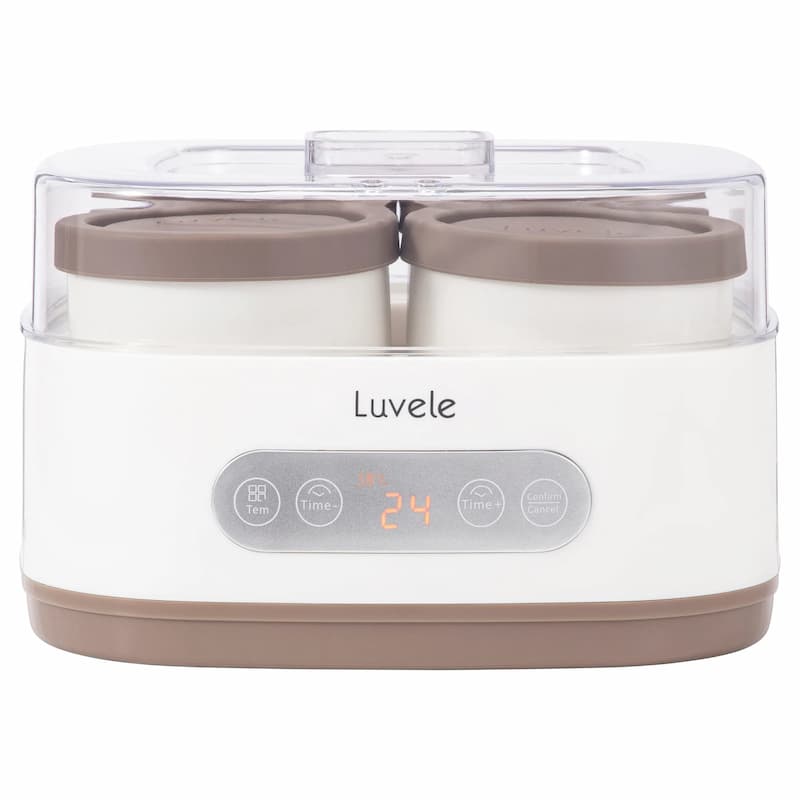
Luvele Pure Yogurt Maker
Create creamy, probiotic-rich yogurt at home with precision temperature control for perfect results every time.
While gut health doesn’t directly create collagen, it plays a role in reducing inflammation in your body. Lower inflammation helps protect your skin collagen from breaking down too quickly, keeping your skin firmer and more youthful-looking.
Including probiotics, fermented foods, or homemade yogurt like I do can support a healthy gut microbiome, which is increasingly linked to better skin health overall.
Think of it as an extra layer of defense for your collagen—and a delicious one at that!
Final Thoughts
Collagen really is the backbone of healthy, youthful skin. As we get older, our skin collagen naturally declines, which can lead to wrinkles, sagging, and dryness.
But here’s the good news: with a few mindful habits, you can slow down the process and keep your skin looking plump, radiant, and resilient.
To give your skin a boost, try adding collagen supplements to your routine, use skincare products with peptides and vitamin C, and enjoy a diet rich in collagen-supporting nutrients. Don’t forget the basics—protect your skin from the sun, stay active, and get enough sleep.
Taking these steps isn’t about perfection; it’s about giving your skin collagen the support it needs so your skin can stay healthy, glowing, and youthful—no matter your age.
*This article is for informational purposes only and should not be considered medical or dermatological advice. Always consult with a dermatologist or qualified skincare professional for personalized recommendations tailored to your skin type and concerns.

Malin, co-founder of Courier Beauty, has a BA in Fashion Marketing and a PG certificate in Fashion & Luxury Goods Management. She’s passionate about skin health through nutrition and creates content focused on radiant skin and holistic wellness.