


How to Boost Your Beauty from Within with These Collagen Rich Foods
Collagen is the most abundant protein in your body—it keeps your skin firm, your hair shiny, and your joints happy.
But here’s the part no one loves to hear: once you hit your mid-20s, your body starts producing less collagen every single year.
The good news?
What you eat can make a real difference. By adding the right collagen rich foods to your diet, you can help support your body’s natural collagen production.
In this article, we’ll break down the best foods to support collagen production and suggest easy ways to add them to your daily routine.
Ready to boost your beauty from within? Let’s get started!
This post contains affiliate links, which means we may earn a commission if you purchase through our links—at no extra cost to you. As an Amazon Associate we earn from qualifying purchases. We only recommend products we use or trust. Learn more about affiliate marketing or read our full disclosure.
What Is Collagen—and Why Does It Matter?
Think of collagen as your body’s built-in support system.
It’s a structural protein found throughout your skin, bones, muscles, tendons, and ligaments. It acts like scaffolding—helping keep your skin firm, your joints cushioned, and your connective tissues strong and flexible.
Found this helpful? Pin it for later so you can come back anytime.

When collagen levels are well supported, everything feels (and looks) more resilient.
Over time, however, your body’s natural collagen production slows down. Aging plays a role, but so do lifestyle factors like chronic stress, poor nutrition, sun exposure, smoking, and lack of sleep.
As collagen production declines, you may begin to notice:
- Fine lines and wrinkles
- Sagging or less elastic skin
- Brittle nails and thinning hair
- Stiff or achy joints
Here’s the empowering part: while you can’t stop collagen breakdown entirely, you can support your body’s ability to make and maintain it—and diet plays a major role.
RELATED POST: 7 Ways Stress Destroys Your Collagen Levels And How to Stop It
Why Collagen Rich Foods Matter
When you eat collagen—or foods that contain it—your body doesn’t send that collagen straight to your skin or joints. Instead, it breaks it down into amino acids, which are then used wherever protein is needed most.
That’s why the most effective approach isn’t just “eating collagen,” but supporting collagen production.
By focusing on collagen rich foods and collagen-supporting nutrients, you give your body the raw materials it needs to build and protect collagen on its own.
These include:
- Protein-rich foods that supply collagen-forming amino acids
- Vitamin C, which is essential for collagen synthesis
- Minerals like zinc and copper that support collagen structure
- Antioxidants that help protect existing collagen from breakdown
This whole-food approach supports not just your skin, but your joints, hair, nails, and overall tissue health—from the inside out.
Where Collagen Supplements Fit In
You’ve probably seen collagen supplements everywhere—and yes, they can be helpful.
Collagen peptides are hydrolyzed, meaning they’re broken down for easy absorption and provide a concentrated source of amino acids your body can use for collagen production.
They can be especially useful if you struggle to meet protein needs through food alone or want extra support for skin or joint health.
That said, supplements work best on top of a nutrient-rich diet—not instead of it.
Think of it this way:
- Whole foods are your foundation
- Collagen peptides are a helpful sidekick
Together, they give your body what it needs to stay strong, smooth, and resilient over time.
If you want to supplement your diet with collagen peptides, I highly recommend the Sports Research Collagen Peptides (Unflavored) from iHerb.
It’s a clean, single-ingredient powder made from grass-fed, pasture-raised bovine collagen, and it blends smoothly into coffee, oatmeal, or smoothies.
It’s also gluten-free, non-GMO, third-party tested, and cGMP compliant, so you can be sure you’re getting a high-quality product.
I’ve noticed improvements in my skin, hair, nails, and joints—and even a reduction in cellulite!
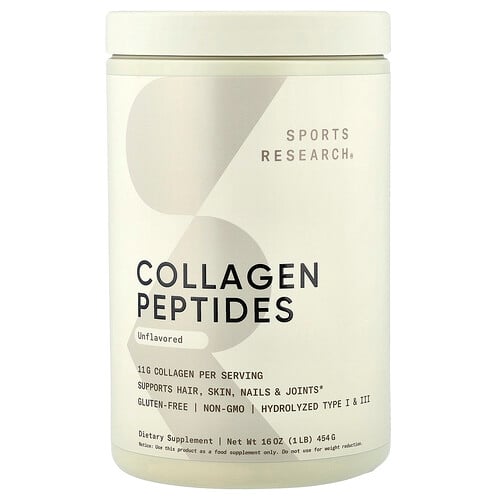
Sports Research, Collagen Peptides, Unflavored, 1 lb (454 g)
Think of collagen peptides as a helpful boost alongside a nutrient-rich diet, not a replacement for real food.
RELATED POST: 7 Collagen Peptides Benefits: What You Need to Know for Better Health and Beauty
Top 12 Collagen Rich Foods to Add to Your Diet
Now let’s get to the good part—the foods that actually help your body build and protect collagen.
These collagen rich foods are easy to find, simple to enjoy, and powerful when it comes to supporting your skin, hair, joints, and overall wellness.
1. Bone Broth
Bone broth is a well-known source of collagen-building amino acids.
When bones are slowly simmered, they release gelatin along with glycine, proline, and hydroxyproline—the same building blocks your body uses to make collagen.
That said, the exact amount of these amino acids can vary depending on the recipe and preparation method.
While homemade or café-prepared broths tend to have higher levels, commercial versions may be less consistent.
So, consider making your own bone broth at home. It’s a tasty, nourishing way to add collagen precursors to your diet.
How to enjoy it:
Sip it warm like tea, use it as a nourishing soup base, or cook grains and veggies in it for an extra collagen boost.
2. Chicken (Especially Skin and Cartilage)
Chicken—especially the skin, bones, and cartilage—is a surprisingly rich source of collagen.
The skin contains type I and III collagen, while the bones and cartilage provide type I and II collagen, which is especially supportive for joints and skin elasticity.
Chicken collagen is also thermally stable and has a strong amino acid profile, making it a great alternative to other collagen sources like beef or fish.
If you’ve noticed how tender chicken gets when it’s slow-cooked, that’s the collagen at work breaking down and adding richness to the dish.
How to enjoy it:
Roast or bake chicken with the skin on for maximum benefits, or save the leftover bones and cartilage to make a nourishing homemade broth.
3. Fish with Skin (Salmon, Mackerel, Sardines)
Fish with the skin on is one of the most bioavailable sources of collagen, meaning your body can absorb and use it efficiently.
Most of the collagen comes from the skin and bones, primarily type I collagen, which supports skin firmness, hydration, and that natural glow.
Fatty fish like salmon, mackerel, and sardines also provide omega-3s, which help protect collagen from breakdown caused by inflammation and environmental stress.
Plus, using the skin and bones ensures you’re getting the parts richest in collagen—making your meal both nutritious and sustainable.
How to enjoy it:
Bake or grill salmon with the skin on, or enjoy whole sardines for a simple, collagen-boosting meal.
RELATED POST: 4 Easy Ways to Boost Collagen Naturally for Youthful Skin
4. Egg Whites
Egg whites don’t contain collagen directly, but they’re an important part of a collagen-supportive diet.
They’re rich in proline, one of the key amino acids your body needs to produce collagen naturally.
Think of egg whites as the building blocks that help your body do the work. When paired with other collagen rich foods, they support skin elasticity, strong hair, and healthy connective tissue.
The thin membrane between the egg white and shell contains bioactive peptides that research suggests may help support collagen production and skin health—making eggs a surprisingly powerful ally for connective tissue.
Helpful tip: If you want a quick, fuss-free way to cook eggs, the Evoloop Rapid Egg Cooker (available on Amazon) makes perfect eggs in minutes—perfect for busy mornings while keeping your collagen-supportive breakfast simple and convenient.
How to enjoy them:
Scramble egg whites, add them to omelets, or mix them into soups and bowls for an easy protein boost.
Found this helpful? Pin it for later so you can come back anytime.

5. Vitamin C-Rich Fruits
Vitamin C isn’t just helpful for collagen—it’s non-negotiable. Your skin doesn’t just use vitamin C once and move on. It actively pulls it in and holds onto it.
Recent research shows that vitamin C from your diet is transported straight into the skin, where it concentrates in collagen-producing cells and stays there to support skin structure and thickness.
Without enough vitamin C, collagen production slows down—even if you’re eating plenty of other collagen rich foods.
That’s why vitamin C–rich fruits like oranges, grapefruits, lemons, and kiwifruit play such an important role in collagen support.
They don’t just help in theory—they help keep vitamin C present in the skin, where collagen is actually made.
How to enjoy them:
Add citrus fruits or kiwifruit to salads or slice kiwi into yogurt or bowls. You can also use fresh orange or grapefruit to brighten savory dishes, or enjoy them on their own as a refreshing snack.
6. Berries (Strawberries, Blueberries, Raspberries)
Berries may be small, but they’re powerful when it comes to collagen support.
They’re rich in vitamin C and polyphenol antioxidants, which help protect existing collagen from damage caused by inflammation and oxidative stress.
Research on berries—especially strawberries—shows their antioxidant compounds can help calm inflammatory pathways and reduce oxidative damage in skin cells.
While these studies are mostly lab-based, they help explain why antioxidant-rich fruits play such an important role in preserving collagen and skin structure over time.
When paired with other collagen rich foods, berries help defend against collagen breakdown linked to stress, pollution, sun exposure, and everyday aging—making them an easy, delicious addition to a collagen-supportive diet.
How to enjoy them:
Add berries to yogurt, oatmeal, or smoothies for a naturally sweet collagen-boosting upgrade.
7. Leafy Greens (Spinach, Kale, Swiss Chard)
Leafy greens are a powerhouse when it comes to collagen support.
Spinach, kale, and Swiss chard are rich in polyphenols and other plant compounds that act as antioxidants—helping protect existing collagen from damage caused by free radicals and everyday stress.
These greens also support natural detoxification and nutrient absorption, which helps your body better use the collagen-building nutrients you’re already eating.
When paired with healthy fats or lightly cooked, their beneficial compounds become even easier for your body to absorb.
Think of leafy greens as the behind-the-scenes helpers that keep your collagen strong, supported, and protected over time.
How to enjoy them:
Lightly steam spinach or kale and drizzle with olive oil, or add raw greens to smoothies with avocado or nuts to boost nutrient absorption.
8. Garlic
Garlic isn’t just great for flavor—it’s a powerful ally for collagen support.
It’s rich in sulfur-containing compounds, including allicin, which have antioxidant and anti-inflammatory properties that help protect collagen from breakdown.
By calming inflammation and helping the body defend against environmental stress (like UV exposure), garlic supports healthier skin, joints, and connective tissue over time.
Think of garlic as a simple, everyday way to help your collagen work harder—and last longer.
How to enjoy it:
Add fresh garlic to stir-fries, soups, or roasted vegetables. Light cooking helps preserve its beneficial compounds while making it easier to digest.
9. Tomatoes
Tomatoes aren’t just tasty—they’re rich in lycopene, a powerful antioxidant known for helping protect collagen from inflammation and UV-related damage.
Lycopene supports skin elasticity by calming inflammatory processes that can contribute to collagen breakdown over time.
This makes tomatoes a simple, everyday way food to support healthier, more resilient skin.
How to enjoy them:
Add fresh tomatoes to salads, or cook them into sauces. Cooking actually helps make lycopene easier for your body to absorb.
10. Nuts and Seeds (Pumpkin Seeds, Chia, Walnuts)
Nuts and seeds may be small, but they play a big role in supporting collagen health.
They’re rich in zinc and copper, two minerals your body needs to actually produce collagen, along with polyphenols and flavonoids that help protect collagen from inflammation and oxidative damage.
These plant compounds support skin elasticity by slowing collagen breakdown and defending against everyday stressors—making nuts and seeds a simple, nourishing addition to a collagen-supportive diet.
Helpful tip: Stock up on quality options like NOW Foods Raw Pumpkin Seeds (Unsalted), Mamma Chia Organic Chia Seeds, and NOW Foods Raw Walnuts (Unsalted)—all available on iHerb.
Sprinkle them over oatmeal, salads, or smoothies for an easy, crunchy collagen boost.
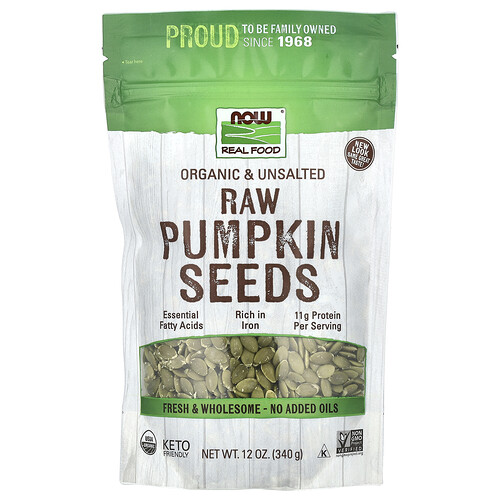
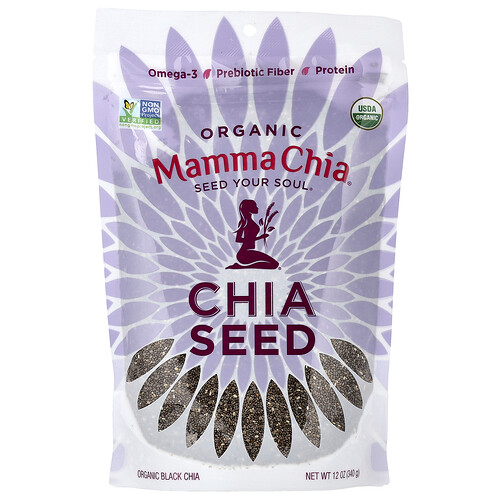
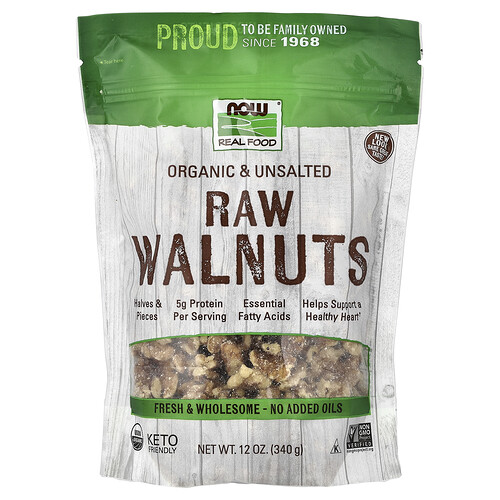
How to enjoy them:
Sprinkle them over oatmeal or salads, or blend them into smoothies for an easy, nutrient-rich boost.
11. Avocados
Avocados are a creamy, nourishing way to support healthy, resilient skin.
They’re rich in healthy fats, vitamin E, and antioxidant compounds that help keep skin hydrated and elastic while protecting existing collagen from oxidative stress and environmental damage.
How to enjoy them:
Spread on toast, toss into salads, or blend into smoothies for a simple, skin-loving boost.
12. Beans and Lentils
Beans and lentils are powerful plant-based allies for collagen support.
They’re rich in lysine and proline, key amino acids your body needs to build and stabilize collagen, along with important minerals like zinc and copper that help support collagen formation and durability.
For anyone eating more plant-forward, beans and lentils provide essential building blocks that help keep skin, hair, joints, and connective tissue strong.
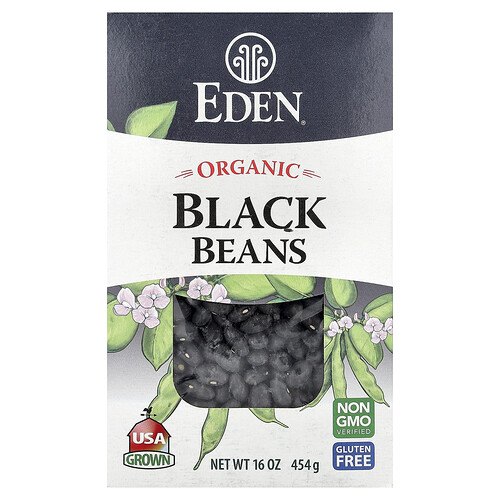
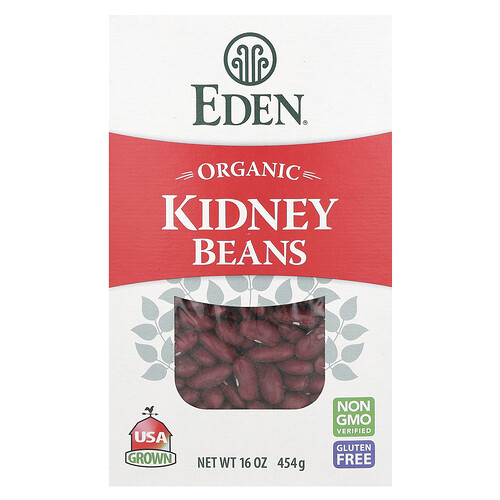
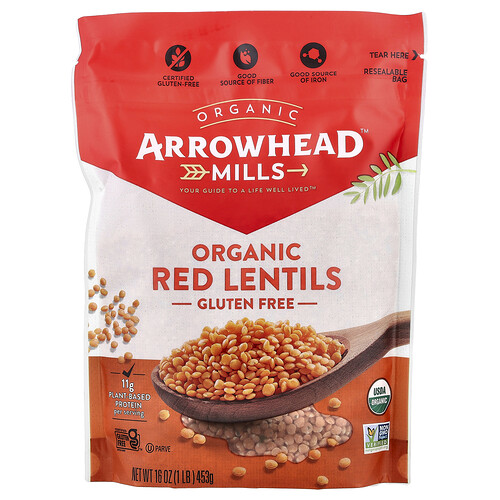
Helpful tip: Stock your pantry with quality options like Eden Foods Organic Black Beans, Eden Foods Organic Kidney Beans, and Arrowhead Mills Organic Red Lentils—all available on iHerb.
Add them to soups, stews, or veggie burgers for an easy, collagen-supporting meal.
How to enjoy them:
Stir them into soups or stews, or use them to make hearty veggie burgers for a satisfying, collagen-friendly meal.
How to Eat for Collagen Daily
Incorporating collagen rich foods into your day doesn’t have to be complicated.
Here’s an example of how you could structure a day to support skin, hair, nails, and joints from the inside out:
Breakfast
- Scrambled eggs with spinach and avocado
- A side of fresh berries
- Optional: Stir collagen powder into your coffee or smoothie
Lunch
- Grilled chicken salad with kale, tomatoes, and pumpkin seeds
- Drizzle with a lemon vinaigrette
Snack
- Chia pudding topped with sliced citrus fruits
- Or a handful of walnuts
Dinner
- Baked salmon with the skin on
- Roasted garlic veggies
- Lentils or beans on the side
- Optional: Sip on bone broth before bed
Bonus Tips:
- Drink plenty of water throughout the day to keep skin hydrated
- Prioritize quality sleep to help your body regenerate collagen overnight
With a simple, nutrient-rich plan like this, adding collagen rich foods to your diet becomes effortless—and delicious.
Lifestyle Habits That Help You Preserve Collagen
Food is powerful—but collagen also thrives when paired with the right lifestyle.
Here’s how to make your beauty diet more effective:
1. Stay Hydrated
Even the best collagen-rich diet can’t fully shine if your skin is dehydrated. Water keeps your skin plump, radiant, and ready to make the most of collagen.
Aim for at least 8 cups a day—and don’t forget that herbal teas and water-rich foods count too.
One simple trick?
Using a high-quality reusable water bottle, like a Hydro Flask (available on Amazon), makes it easier to sip consistently throughout the day. Its insulation keeps water cold for hours, making staying hydrated effortless and a little more enjoyable.
2. Wear Sunscreen
UV rays are one of collagen’s biggest enemies—they can break it down faster than age alone. Protecting your skin daily from the sun with SPF isn’t just skincare—it’s collagen care.
Make sunscreen a non-negotiable part of your routine, even on cloudy days or when you’re indoors near windows.
A dermatologist-favorite like EltaMD UV Clear Broad-Spectrum SPF 46 (available from Amazon) is lightweight, non-greasy, and gentle enough for sensitive skin, making it easy to protect your collagen every day.
3. Get Your Sleep
Yes, beauty sleep is real! Your body produces collagen during deep sleep cycles, so getting enough quality rest is key for skin, hair, nails, and joint health.
Aim for 7–9 hours each night, and treat bedtime as part of your collagen-care routine.
If you struggle with falling or staying asleep, a simple tool like the SNOOZ Smart White Noise Sound Machine (available on Amazon) can help create a calm, consistent sleep environment—making it easier to get the restorative sleep your body needs to produce collagen.
4. Limit Sugar and Refined Carbs
Too much sugar and refined carbohydrates can speed up the formation of advanced glycation end products (AGEs)—compounds that stiffen and damage collagen fibers, making skin look less firm over time.
Cutting back on sugary foods and highly processed carbs helps protect your collagen, supports elasticity, and keeps your skin looking smoother and more radiant.
RELATED POST: Collagen Supplements for Youthful Skin: Do They Really Work?
5. Avoid Smoking
Smoking isn’t just bad for your lungs—it’s a collagen destroyer.
It reduces oxygen flow to your skin and breaks down collagen, leading to premature wrinkles and dullness.
Steering clear of cigarettes (and even secondhand smoke) is one of the most powerful things you can do for your skin’s health and longevity.
Final Thoughts
While creams, serums, and supplements can help, true, lasting skin health and beauty start from the inside out.
By adding collagen rich foods to your daily meals, you’re giving your body the building blocks it needs to stay strong, radiant, and resilient—naturally.
Whether it’s a comforting spoonful of bone broth, a colorful handful of berries, or a simple avocado toast, every small change adds up.
Over time, these daily choices support glowing skin, healthy joints, and a nourished, confident you.
Remember: beauty isn’t just skin deep—it’s a lifestyle. And the best place to start is right on your plate.
*This article is for informational purposes only and should not be considered medical or dermatological advice. Always consult with a dermatologist or qualified skincare professional for personalized recommendations tailored to your skin type and concerns.
Añazco, Carolina et al. “Common Beans as a Source of Amino Acids and Cofactors for Collagen Biosynthesis.” Nutrients vol. 15,21 4561. 27 Oct. 2023, doi:10.3390/nu15214561. Adapted and used under the terms of the Creative Commons Attribution 4.0 International License.
Aragno, Manuela, and Raffaella Mastrocola. “Dietary Sugars and Endogenous Formation of Advanced Glycation Endproducts: Emerging Mechanisms of Disease.” Nutrients vol. 9,4 385. 14 Apr. 2017, doi:10.3390/nu9040385. Adapted and used under the terms of the Creative Commons Attribution 4.0 International License.
Aspevik, T., et al. “A Comparative Study of Collagen Proteins in Skin, Bones, and Guts of Atlantic Salmon (Salmo salar L.) and Atlantic Cod (Gadus morhua).” Journal of Aquatic Food Product Technology, vol. 33, no. 8, 2024, pp. 683–696, https://doi.org/10.1080/10498850.2024.2416067. Adapted and used under the terms of the Creative Commons Attribution 4.0 International License.
Cao, Changwei et al. “Diet and Skin Aging-From the Perspective of Food Nutrition.” Nutrients vol. 12,3 870. 24 Mar. 2020, doi:10.3390/nu12030870. Adapted and used under the terms of the Creative Commons Attribution 4.0 International License.
"Facts About the Current Good Manufacturing Practice (CGMP)." U.S. Food and Drug Administration, https://www.fda.gov/drugs/pharmaceutical-quality-resources/facts-about-current-good-manufacturing-practice-cgmp. Accessed 3 January, 2026.
Jayaprakash, Sakthidasan, et al. “Enriched Characteristics of Poultry Collagen over Other Sources of Collagen and Its Extraction Methods: A Review.” International Journal of Biological Macromolecules, vol. 273, Part 1, 2024, article 133004, https://doi.org/10.1016/j.ijbiomac.2024.133004.
Jensen, Gitte S et al. “Reduction of facial wrinkles by hydrolyzed water-soluble egg membrane associated with reduction of free radical stress and support of matrix production by dermal fibroblasts.” Clinical, cosmetic and investigational dermatology vol. 9 357-366. 14 Oct. 2016, doi:10.2147/CCID.S111999.
Lister, I. Nyoman Enrich, et al. “Anti-Aging Effectiveness of Avocado Peel Extract Ointment (Persea americana Mill.) against Hydration, Collagen, and Elasticity Levels in Wistar Rat.” Journal of Pharmaceutical Research International, vol. 33, no. 32B, 2021, pp. 173–184. https://doi.org/10.9734/jpri/2021/v33i32B31760. Abstract only.
Piazza, Stefano et al. “A Review of the Potential Benefits of Plants Producing Berries in Skin Disorders.” Antioxidants (Basel, Switzerland) vol. 9,6 542. 20 Jun. 2020, doi:10.3390/antiox9060542. Adapted and used under the terms of the Creative Commons Attribution 4.0 International License.
Pu, Szu-Yu et al. “Effects of Oral Collagen for Skin Anti-Aging: A Systematic Review and Meta-Analysis.” Nutrients vol. 15,9 2080. 26 Apr. 2023, doi:10.3390/nu15092080. Adapted and used under the terms of the Creative Commons Attribution 4.0 International License.
Pullar, Juliet M., et al. “Improved Human Skin Vitamin C Levels and Skin Function after Dietary Intake of Kiwifruit: A High-Vitamin-C Food.” Journal of Investigative Dermatology, 28 Oct. 2025, https://doi.org/10.1016/j.jid.2025.10.587. Adapted and used under the terms of the Creative Commons Attribution 4.0 International License.
Reilly, David M., and Jennifer Lozano. "Skin Collagen through the Lifestages: Importance for Skin Health and Beauty." Plastic and Aesthetic Research, vol. 8, no. 2, 2021, http://dx.doi.org/10.20517/2347-9264.2020.153. Adapted and used under the terms of the Creative Commons Attribution 4.0 International License.
Singh, Harpreet et al. “Dietary phytochemicals alleviate the premature skin aging: A comprehensive review.” Experimental gerontology vol. 199 (2025): 112660. doi:10.1016/j.exger.2024.112660. Adapted and used under the terms of the Creative Commons Attribution 4.0 International License.

Malin, co-founder of Courier Beauty, has a BA in Fashion Marketing and a PG certificate in Fashion & Luxury Goods Management. She’s passionate about skin health through nutrition and creates content focused on radiant skin and holistic wellness.