

Foods Good for Skin: The Ultimate Guide to the Top Ingredients for Better Skin Health
Glowing skin doesn’t start with expensive creams — it starts on your plate.
When you eat foods good for skin, it can help reduce breakouts, calm inflammation, and support a smooth, radiant complexion. Vitamins, antioxidants, healthy fats, and even gut-supporting nutrients all play a role in how your skin looks and feels.
In this guide, you’ll discover the top foods good for skin and how they work together to support clear, healthy skin from the inside out.
Let’s dive in!
This post contains affiliate links, which means we may earn a commission if you purchase through our links—at no extra cost to you. As an Amazon Associate we earn from qualifying purchases. We only recommend products we use or trust. Learn more about affiliate marketing or read our full disclosure.
The Importance of Food for Skin
It’s easy to get caught up in the world of creams, serums, and fancy skincare routines. While topical products can definitely help, the truth is that your skin’s real health starts from the inside.
What you eat provides the building blocks your body—and your skin—needs to repair, protect, and glow.
Found this helpful? Pin it for later so you can come back anytime.

Think of it like this: no matter how much moisturizer you apply, if your skin isn’t nourished from within, it won’t reach its full potential.
Eating a diet rich in nutrients helps your skin in countless ways. Vitamins, minerals, antioxidants, healthy fats, and fiber all play essential roles in keeping your skin hydrated, firm, and resilient.
They can:
- Help fight inflammation
- Protect against environmental damage
- Slow down the signs of aging
In short, the right foods aren’t just“good for your body”—they’re a must for glowing, healthy skin.
So, while your skincare routine matters, don’t forget to give your skin some love from the inside too—by focusing on foods good for skin.
The best part?
Supporting your skin from within is both simple and delicious: it’s all about choosing the right ingredients at every meal.
Here are the most important foods to add to your diet:
1. Antioxidants: The Skin Defenders Against Aging
Antioxidants help your skin stay smooth, firm, and radiant by protecting it from everyday damage caused by pollution, UV rays, and other environmental stressors.
These powerful nutrients fight off free radicals—the little troublemakers that can speed up aging and dull your complexion.
Here are some superstar antioxidant ingredients you’ll want to know:
Vitamin A
Vitamin A is a superstar when it comes to keeping your skin youthful:
- It supports collagen for elasticity
- Promotes healthy cell turnover
- Regulates oil production to reduce breakouts
- Retains moisture to fight dryness
You can get Vitamin A from foods like:
|
Type of Vitamin A |
Foods |
|---|---|
|
Preformed |
Eggs, salmon, liver, dairy |
|
Provitamin A |
Carrots, sweet potatoes, kale, mango |
Tip: Too much vitamin A, especially from supplements, can dry out skin and disrupt natural oils. Stick to food sources for safe, glowing results.
vitamin c
This one’s a must for glowing skin. Vitamin C boosts collagen production, helping your skin stay firm, smooth, and radiant while fading dark spots.
Here are some of the best vitamin C foods good for skin:
|
Vitamin C–Rich Food Category |
Examples |
|---|---|
|
Berries |
Strawberries, raspberries, blueberries |
|
Citrus Fruits |
Oranges, lemons, grapefruits, limes |
|
Non-Citrus Fruits |
Kiwi, mango, papaya, pineapple |
|
Vegetables |
Bell peppers, broccoli, Brussels sprouts, kale |
|
Herbs & Spices |
Parsley, thyme, chili peppers |
Source: USDA FoodData Central
Tip: Toss berries, kiwi, or citrus into your morning yogurt or oatmeal for a punch of vitamin C.
vitamin e
A fat-soluble hero that shields your skin from UV and free radical damage, supporting an even tone and smooth texture.
Here are some good food sources:
|
Vitamin E–Rich Foods |
Examples |
|---|---|
|
Nuts & Seeds |
Almonds, hazelnuts, sunflower seeds |
|
Oils |
Sunflower oil, wheat germ oil, olive oil |
|
Leafy Greens |
Spinach, Swiss chard, broccoli |
|
Other Sources |
Avocados, spirulina |
Source: USDA FoodData Central
Tip: Keep almonds or sunflower seeds on hand for a snack that’s both satisfying and nourishing for your skin.
A great option for boosting vitamin E intake is NOW Foods Organic Raw Almonds (Unsalted), available on iHerb.
They’re minimally processed, high quality, and free from added oils or salt—so you get the skin-protective benefits of vitamin E without unnecessary extras.
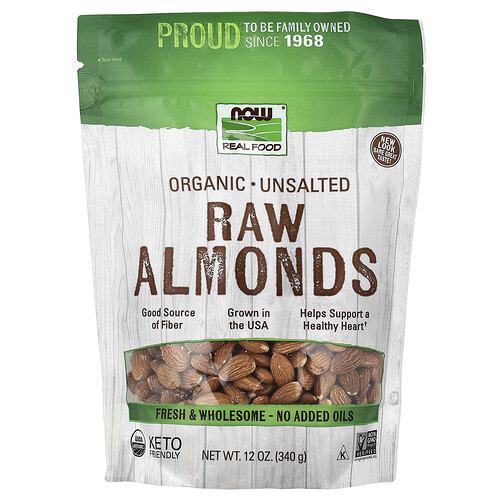
NOW Foods, Real Food, Organic Raw Almonds, Unsalted, 12 oz (340 g)
Another great option is NOW Foods Raw Sunflower Seeds (Unsalted) from iHerb. They’re affordable, versatile, and packed with vitamin E to help support smoother, more even-looking skin over time.
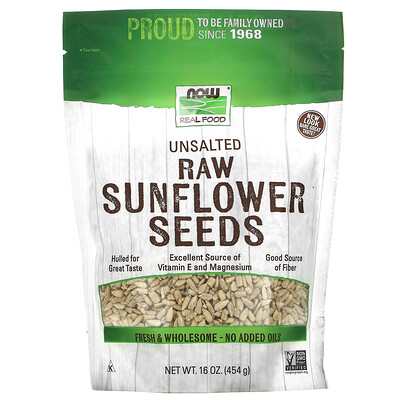
NOW Foods, Real Food, Raw Sunflower Seeds, Unsalted, 16 oz (454 g)
They’re easy to sprinkle onto salads, oatmeal, or yogurt for a quick, no-effort skin boost.
flavonoids
Flavonoids are a type of polyphenol found in dark chocolate, tea, berries, and other plant foods.
These powerful compounds protect your skin from damage, calm inflammation, and support a radiant complexion.
Here are some great food sources:
|
Flavonoid-Rich Foods |
Examples |
|---|---|
|
Teas |
Green, black, oolong, white |
|
Dark Chocolate |
70%+ cocoa |
|
Fruits |
Berries (blueberries, blackberries, strawberries), grapes |
|
Herbs & Spices |
Parsley, oregano, cloves, thyme |
Tip: Sip green tea throughout the day for a gentle, skin-loving boost.
Pukka Herbs Organic Green Tea, Supreme Matcha Green and Yoga Green Tea Kombucha are great-quality choices made with carefully sourced ingredients.
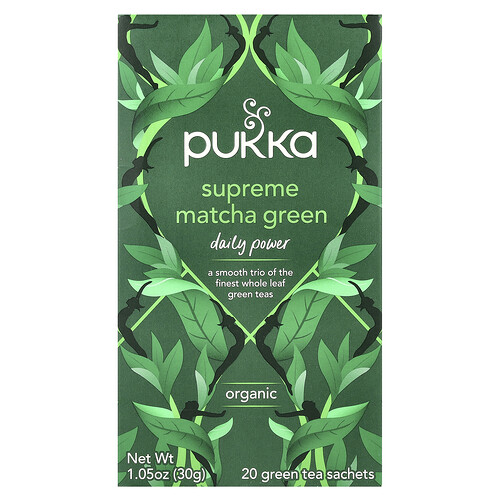
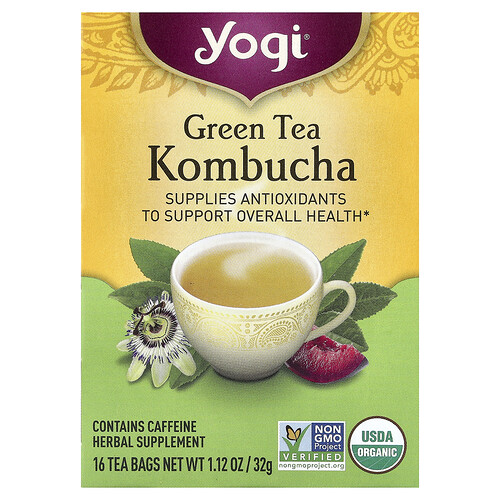
They offer a simple, soothing way to support your skin’s defenses against oxidative stress and inflammation—just by sipping something you already enjoy.
Takeaway:
Adding these antioxidant foods to your routine is one of the easiest ways to support your skin from the inside out—because when it comes to glowing, healthy skin, what you eat really shows.
2. Healthy Fats: The Skin Moisturizers
Healthy fats, especially omega-3, omega-6 and monounsaturated fats, help keep your skin soft, hydrated, and resilient.
They strengthen the skin barrier, reduce inflammation, and support long-term skin health from the inside out.
Here are the top fats you’ll want to include in your diet:
omega-3 fatty acids
Omega-3s are especially helpful for calming redness, irritation, and dryness. They support smoother texture and help your skin stay balanced.
Here are some great sources:
|
Omega-3 Food Sources |
Examples |
|---|---|
|
Fatty Fish |
Salmon, mackerel, sardines, trout |
|
Seeds |
Chia seeds, flaxseeds, hemp seeds |
|
Nuts |
Walnuts |
Tip: Sprinkle some chia seeds on grilled salmon or enjoy sardines for a dinner that’s both heart-healthy and skin-loving.
An excellent choice is Mamma Chia Organic Chia Seeds from iHerb. These are convenient, versatile, and naturally rich in ALA, helping support softer, more hydrated-looking skin.
They’re especially easy to sprinkle into meals or soak for chia pudding, making omega-3 intake effortless.
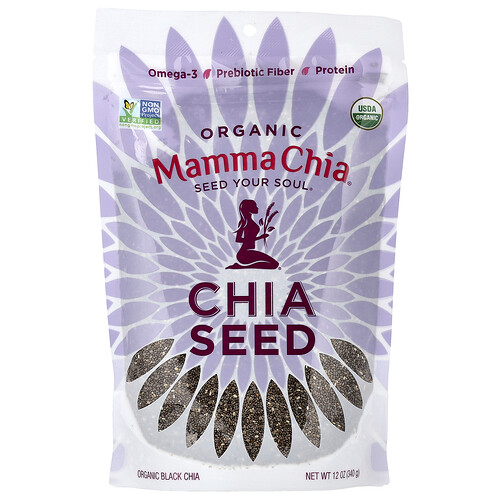
Mamma Chia, Organic Chia Seed, 12 oz (340 g)
Another great option for adding more plant-based omega-3s to your diet is NOW Foods Real Food Organic Flax Seeds.
They’re high quality, minimally processed, and easy to use, making it simple to support skin hydration and help calm inflammation just by adding them to smoothies, oatmeal, or yogurt.
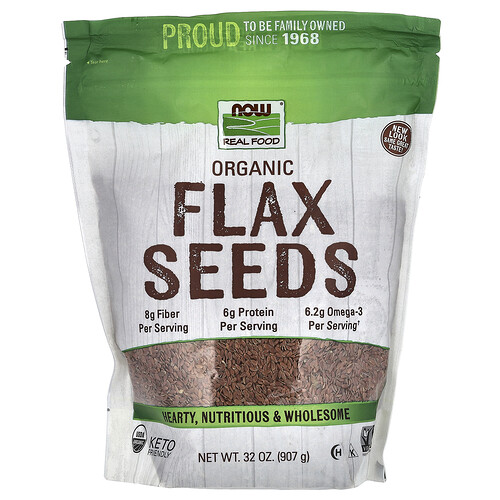
NOW Foods, Real Food, Organic Flax Seeds, 32 oz (907 g)
omgea-6 fatty acids (linoleic acid)
Linoleic acid, a key omega-6 fat, plays an important role in maintaining your skin’s protective barrier and regulating oil production.
Where you can find them:
|
Omega-6 Food Sources |
Examples |
|---|---|
|
Plant Oils |
Sunflower, safflower, corn, canola |
|
Nuts & Seeds |
Walnuts, almonds, sunflower seeds |
|
Vegetables |
Leafy greens |
Tip: Add some chopped walnuts to your oatmeal, smoothie, or yogurt for a morning skin boost.
A great option is NOW Foods Real Food Organic Raw Walnuts (Unsalted) from iHerb. These high-quality, minimally processed walnuts contain both omega-3 and omega-6 fatty acids, helping support a smooth, elastic, and glowing complexion.
They’re easy to snack on or add to oatmeal, salads, and smoothies, making it simple to nourish your skin every day.
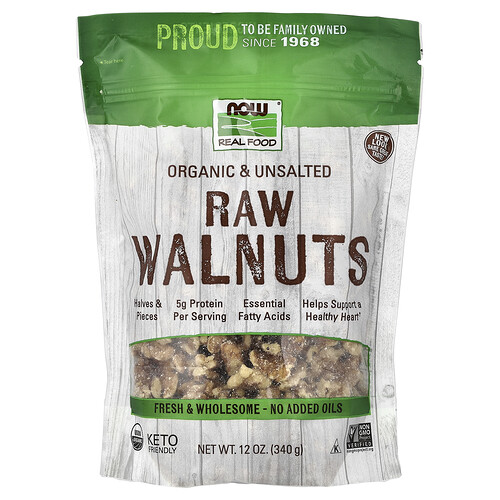
NOW Foods, Real Food, Organic Raw Walnuts, Unsalted, 12 oz (340 g)
monounsaturated fats
Oils rich in monounsaturated fats (MUFAs), like olive, avocado, and peanut oil, help keep skin smooth and hydrated.
Olive oil is especially powerful, providing healthy fats plus antioxidants that protect against free radical damage and signs of sun-related aging.
Here are some great sources:
|
MUFA-rich foods |
Examples |
|---|---|
|
Nut & Seed Sources |
Almonds, peanuts, hazelnuts, sunflower seeds |
|
Plant-Based Oils |
Olive oil, avocado oil, peanut oil |
|
Whole-Food Options |
Avocados, olives |
Tip: Drizzle olive oil over salads or add creamy avocado to salads, toast, or smoothies.
A standout choice for skin hydration is Oro Bailén Picual Novello, from Olive Oil Lovers. Made from early-harvest Picual olives, it’s exceptionally rich in antioxidants and healthy monounsaturated fats that help support smooth, plump-looking skin.
Its freshness and quality make it ideal for finishing dishes, so you get maximum skin benefits without needing much.

Oro Bailen Picual Novello
For those focused on skin protection and long-term health, Quattrociocchi Superbo Organic is a premium option worth the investment.
It’s known for its very high polyphenol content, which helps combat oxidative stress and inflammation—two major contributors to skin aging. A small daily drizzle goes a long way in nourishing your skin from within.

Quattrociocchi Superbo Organic
If you’re looking for a high-quality option that’s more affordable, Entelia Extra Virgin Olive Oil offers excellent value without sacrificing quality.
It provides the skin-hydrating benefits of monounsaturated fats in an oil that’s easy to use daily, making it a practical choice for consistent skin support.

Entelia
takeaway:
Adding healthy fats to your diet is an easy, delicious way to support your skin’s natural glow—because hydrated skin is happy skin!
3. Zinc: The Acne Fighter and Skin Healer
Struggling with breakouts or slow-healing skin?
Zinc could be your secret weapon. This essential mineral helps regulate oil production, keeping acne in check, and its anti-inflammatory powers calm irritated skin.
On top of that, zinc supports wound healing and may help reduce scars and speed up recovery—basically giving your skin a helping hand from the inside out.
Here are the top zinc-rich foods to know:
nuts and seeds
Small but mighty, seeds and nuts are good sources of zinc and help with acne control, wound healing, and repairing damaged skin cells.
Here are some great food sources:
|
Zinc-Rich Food Sources |
Examples |
|
Seeds |
Hemp seeds, pumpkin seeds, sesame seeds |
|
Nuts |
Cashews, almonds, pine nuts |
Tip: Snack on roasted pumpkin seeds or sprinkle them over your salad for a crunchy, skin-friendly boost.
A great option for boosting zinc intake is NOW Foods Organic Raw Pumpkin Seeds (Unsalted) from iHerb.
They’re high quality, minimally processed, and free from added salt or oils—making them ideal for supporting acne control and skin repair without unnecessary extras.
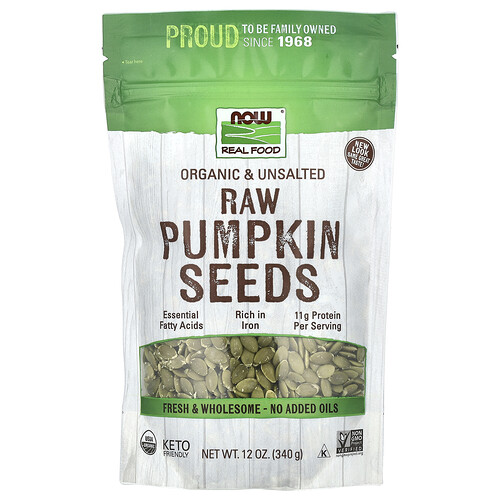
NOW Foods, Organic Raw Pumpkin Seeds, Unsalted, 12 oz (340 g)
legumes
Legumes aren’t just nutritious—they’re high in zinc too, plus they bring fiber and protein to support overall skin health.
Best food sources:
- Chickpeas
- Lentils
- Black beans
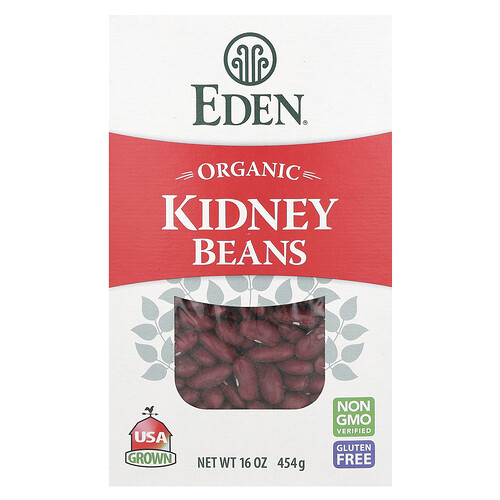
- Kidney beans
Tip: Add beans to soups, chili, or salads or toss chickpeas into a grain bowl for a hearty, zinc-packed meal.
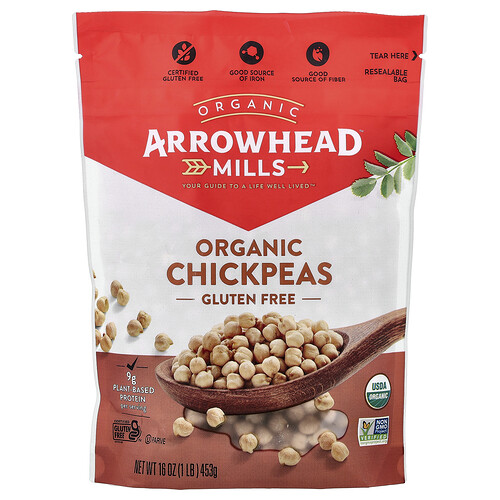
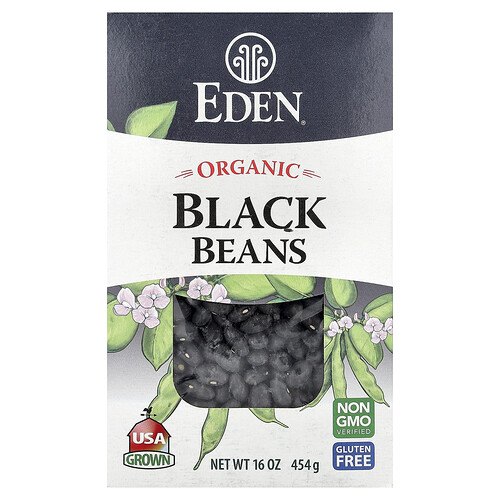
Great quality legumes make it easy to support zinc intake while also nourishing your skin with fiber and protein.
Arrowhead Mills Organic Chickpeas and Eden Foods Organic Black Beans or Kidney Beans are excellent options made with simple, organic ingredients and no unnecessary additives.
takeaway:
Including these zinc-rich foods in your diet can make a real difference for acne-prone or healing skin—because healthy skin starts with the nutrients it needs.
Found this helpful? Pin it for later so you can come back anytime.

4. Fiber: The Skin Detoxifier
Fiber is your skin’s secret weapon. It helps your gut stay healthy, flushes out toxins, and reduces inflammation that can trigger breakouts or flare-ups.
There are two main types of fiber you’ll want to include:
soluble fiber
Supports a balanced gut microbiome and steady blood sugar, which is key for clear, calm skin.
Best food sources:
|
Food Type |
Examples |
|---|---|
|
Oats |
Steel-cut oats, rolled oats, oat bran |
|
Legumes |
Lentils, chickpeas, black beans |
|
Fruits |
Apples, pears, citrus, berries |
Tip: Kickstart your morning with a bowl of oatmeal or blend oats into your smoothie for a fiber-packed breakfast.
A simple way to add soluble fiber to your diet is Bob’s Red Mill Steel Cut Oats, Whole Grain, Gluten Free from iHerb. Packed with fiber, these oats help support a balanced gut microbiome and stable blood sugar—both key for healthy, glowing skin.
They’re easy to enjoy for breakfast or in smoothies, making it effortless to nourish your skin from the inside out.
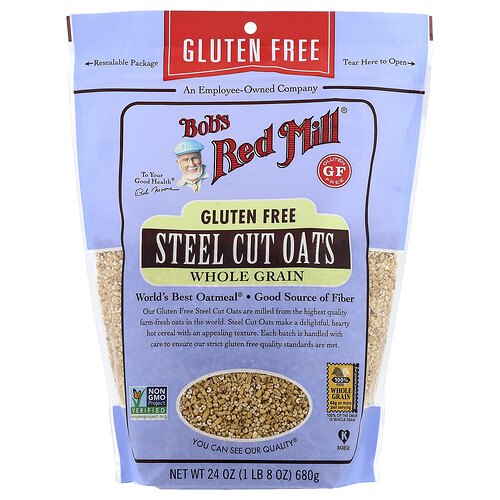
Bob's Red Mill, Steel Cut Oats, Whole Grain, Gluten Free, 24 oz (680 g)
insoluble fiber
Keeps your digestion running smoothly and prevents constipation, which can sometimes trigger skin flare-ups.
Best sources:
|
Food Type |
Examples |
|---|---|
|
Whole Grains |
Quinoa, brown rice, whole wheat bread |
|
Vegetables |
Broccoli, cauliflower, carrots, leafy greens |
|
Nuts & Seeds |
Almonds, sunflower seeds, pumpkin seeds |
Tip: Add a mix of veggies and nuts to your salads or roasted dishes to keep your gut—and your skin—happy.
Takeaway:
By making fiber a regular part of your diet, you’re helping your body flush out toxins, calm inflammation, and support clearer, healthier-looking skin—proof that what’s good for your gut is good for your glow.
5. Gut Health: The Key to Clear, Glowing Skin
Here’s a little secret: your gut and your skin are best friends.
When your gut microbiome is out of balance (dysbosis), it can trigger inflammation that often shows up as acne, eczema, or other skin issues.
On the flip side, a happy gut helps your body detoxify naturally, reduce inflammation, and support hydration and your skin barrier.
Here’s how to nourish your gut (and your glow) with the right foods:
probiotics
Probiotics are the beneficial bacteria that help keep your gut balanced.
A healthy population of these microbes can reduce skin sensitivity, strengthen the skin barrier, and even improve common skin concerns like acne and eczema.
Here are some excellent sources:
|
Food Type |
Examples |
|---|---|
|
Dairy |
Yogurt, kefir |
|
Fermented Soy |
Miso, tempeh |
|
Fermented Vegetables |
Kimchi, sauerkraut |
Tip: Include probiotic-rich foods in your meals regularly.
I love using my Luvele Yogurt Maker to make fresh, homemade yogurt. I usually ferment it for 24 hours, and I’ve noticed a real difference—not just for my gut health, but also in how healthy and glowing my skin looks.
Making your own yogurt is an easy way to get probiotics daily, which support digestion, reduce inflammation, and even help strengthen your skin’s natural barrier.
editor’s pick

Luvele Pure Yogurt Maker
Create creamy, probiotic-rich yogurt at home with precision temperature control for perfect results every time.
If you want the bigger size, the Luvele Pure Plus Yogurt Maker is perfect for families. With this one, you can make larger batches of yogurt—and even kefir—so it’s easy to get your daily dose of probiotics for the whole household.
great pick

Luvele Pure Plus Yogurt Maker
Make rich, probiotic-packed yogurt or kefir at home with precise temperature control and consistently smooth results.
prebiotics
Prebiotics are natural compounds that feed your gut’s good bacteria.
By nourishing these microbes, prebiotics help support a balanced microbiome, which may reduce inflammation and promote healthier skin.
Here are some great sources:
|
Food Type |
Examples |
|---|---|
|
Alliums |
Garlic, onions, leeks |
|
Fruits |
Bananas, apples |
|
Vegetables |
Asparagus, artichokes |
Tip: Add prebiotic foods such as garlic, onions, or bananas to your dishes to feed your gut bacteria.
Takeaway:
By taking care of your gut, you’re giving your skin the support it needs to be clear, radiant, and healthy—from the inside out. After all, glowing skin really does start in the gut!
Final Thoughts
At the end of the day, healthy, glowing skin starts on your plate.
By focusing on nutrient-rich foods good for skin—from antioxidants and healthy fats to vitamins, minerals, fiber, and gut-supporting ingredients—you’re giving your skin the tools it needs to look and feel its best.
Don’t forget your gut!
A happy, balanced digestive system plays a huge role in clear, radiant skin. Prioritizing these skin-loving foods in your daily meals not only enhances your complexion but also supports your overall well-being.
Think of it as self-care that you can eat.
With a little attention to what you nourish your body with, your skin will reward you with a natural, healthy glow—and a big, grateful “thank you” from the inside out.
*This article is for informational purposes only and should not be considered medical or dermatological advice. Always consult with a dermatologist or qualified skincare professional for personalized recommendations tailored to your skin type and concerns.
De Pessemier, Britta et al. “Gut-Skin Axis: Current Knowledge of the Interrelationship between Microbial Dysbiosis and Skin Conditions.” Microorganisms vol. 9,2 353. 11 Feb. 2021, doi:10.3390/microorganisms9020353. Adapted and used under the Creative Commons Attribution 4.0 International License.
“Dietary Supplement Fact Sheets.” Office of Dietary Supplements, National Institutes of Health. https://ods.od.nih.gov/factsheets/list-all/. Accessed March 16, 2026.
Latreille, Julie et al. “Dietary monounsaturated fatty acids intake and risk of skin photoaging.” PloS one vol. 7,9 (2012): e44490. doi:10.1371/journal.pone.0044490. Adapted and used under the terms of the Creative Commons Attribution 4.0 International License.
Michalak, Monika, et al. "Bioactive Compounds for Skin Health: A Review." Nutrients, vol. 13, no. 1, 2021, article 203, https://doi.org/10.3390/nu13010203. Adapted from and used under the terms of the Creative Commons Attribution 4.0 International License.
Quan, Taihao. “Human Skin Aging and the Anti-Aging Properties of Retinol.” Biomolecules vol. 13,11 1614. 4 Nov. 2023, doi:10.3390/biom13111614. Adapted and used under the Creative Commons Attribution 4.0 International License.
Sharma, Nidhi et al. “Dietary Influences on Skin Health in Common Dermatological Disorders.” Cureus vol. 16,2 e55282. 29 Feb. 2024, doi:10.7759/cureus.55282. Adapted and used under the Creative Commons Attribution 4.0 International License.
U.S. Department of Agriculture, FoodData Central. Accessed March 16, 2026.
Čižmárová, Beáta, et al. "Flavonoids as Promising Natural Compounds in the Prevention and Treatment of Selected Skin Diseases." International Journal of Molecular Sciences24, no. 7: 6324, 2023, https://doi.org/10.3390/ijms24076324. Adapted from and used under the terms of the Creative Commons Attribution 4.0 International License.

Malin, co-founder of Courier Beauty, has a BA in Fashion Marketing and a PG certificate in Fashion & Luxury Goods Management. She’s passionate about skin health through nutrition and creates content focused on radiant skin and holistic wellness.