
Top 8 Foods You Need to Eat for Glowing Skin

This post contains affiliate links, which means we may earn a commission if you purchase through our links—at no extra cost to you. As an Amazon Associate we earn from qualifying purchases. We only recommend products we use or trust. Learn more about affiliate marketing or read our full disclosure.
Achieving glowing, healthy skin isn’t just about splurging on expensive creams or fancy treatments—it starts from the inside out.
What you eat plays a huge role in how your skin looks and feels. By fueling your body with the right nutrients, antioxidants, and healthy fats, you can actually boost your skin’s texture, radiance, and overall health.
If you’ve ever wondered which foods for glowing skin really make a difference, you’re in the right place.
In this article, I’m sharing the top 8 foods you’ll want to add to your diet for that radiant, youthful glow. Plus, I’ll explain exactly how each one nourishes and revitalizes your skin, so you can feel good from the inside out.
Let’s dive in!
The Importance of Food for Glowing Skin
We often think about skincare in terms of creams, serums, and masks—but what you put on your plate matters just as much, if not more.
Your skin is your body’s largest organ, and it needs the right nutrients to stay healthy, hydrated, and radiant.

Eating a diet rich in vitamins, minerals, antioxidants, and healthy fats helps your skin repair itself, fight off damage from the environment, and maintain its natural glow.
Focusing on foods for glowing skin isn’t about following a strict diet or depriving yourself of your favorite treats. It’s about consistently including nutrient-packed ingredients that nourish your skin from the inside out.
By making these foods a regular part of your meals, you can support hydration, collagen production, and cellular repair—all essential for a complexion that looks vibrant, youthful, and healthy.
1. Avocados: The Ultimate Skin Superfood
If you want skin that looks dewy, soft, and radiant, avocados should be your new best friend.
These creamy green fruits are packed with healthy fats, vitamins, and antioxidants that nourish your skin from the inside out and help you glow.
Here’s why they’re great for your skin:
Healthy Fats for Hydrated Skin
Avocados are loaded with monounsaturated fats, especially omega-9s, which support your skin’s lipid barrier.
Think of this barrier as your skin’s personal shield—it locks in moisture, keeps irritants out, and helps your skin stay smooth and hydrated.
Antioxidants that Fight Aging
Avocados contain phenolic compounds, flavonoids, and carotenoids like lutein and β-carotene.
These natural antioxidants protect your skin cells from free radicals and UV damage, helping to reduce oxidative stress, inflammation, and the signs of premature aging.
Vitamins for Firm, Glowing Skin
Avocados contain nutrients that are so beneficial to your health and skin.
They include:
- Vitamin E: A potent antioxidant that protects skin cells from environmental damage.
- Vitamin C: Supports collagen production, helping your skin stay firm, elastic, and youthful.
- Carotenoids: Compounds like lutein and zeaxanthin boost antioxidant protection and help maintain radiant, healthy-looking skin.
Easy Ways to Eat More Avocados:
- Mash avocado on whole-grain toast for a quick, skin-loving breakfast.
- Toss slices into salads, sandwiches, or wraps for a creamy, nourishing boost.
- Blend into smoothies for extra richness and a dose of goodness that your skin will thank you for.
2. Berries: Antioxidant-Rich Fruits for Radiant Skin
Bright, colorful, and bursting with flavor—berries aren’t just delicious; they’re a serious boost for your skin.
Strawberries, blueberries, raspberries, and blackberries are packed with antioxidants, especially vitamin C, which helps protect your skin from environmental stressors like pollution and UV rays.
In short, these little fruits are a must-have on your list of foods for glowing skin.
Why berries are amazing for your skin:
High in Vitamin C
Berries are rich in vitamin C, which plays a key role in collagen production. Collagen helps keep skin firm, smooth, and elastic.
Studies have shown that berry compounds can also support skin regeneration by encouraging healthy skin cell activity.
Over time, this may help improve skin texture and reduce the appearance of fine lines.
Anti-Inflammatory Power
Berries contain flavonoids and anthocyanins—natural pigments responsible for their deep red, blue, and purple colors.
These compounds help calm inflammation in the skin by reducing redness, irritation, and puffiness. This makes berries especially helpful for skin that’s sensitive or prone to flare-ups.
Protection Against Sun Damage
Berry antioxidants help protect skin cells from UV-related damage by neutralizing harmful molecules created during sun exposure.
These protective effects may help reduce visible signs of photoaging, such as uneven tone, rough texture, and premature wrinkles.
Fighting Free Radicals
Free radicals can break down collagen and accelerate skin aging.
The antioxidants in berries help neutralize these unstable molecules, supporting the skin’s barrier and helping it stay smoother, brighter, and more resilient.
Easy Ways to Add Berries to Your Diet:
- Sprinkle fresh berries over yogurt, oatmeal, or breakfast bowls.
- Grab a handful as a convenient, skin-loving snack.
- Blend into smoothies for a naturally sweet, nourishing treat.
3. Fatty Fish: Omega-3s for Smooth, Hydrated Skin
Want skin that feels soft, supple, and deeply hydrated?
Fatty fish like salmon, mackerel, sardines, and trout are one of the best foods you can eat for healthy skin.
They’re rich in omega-3 fatty acids—essential fats your body can’t make on its own but desperately needs to keep skin calm, strong, and resilient.
Research shows that omega-3s don’t just nourish the skin’s surface; they work at a deeper level by supporting healthy immune responses and helping skin cells repair and protect themselves from environmental stress.
Why fatty fish are fantastic for glowing skin:
Omega-3 Fatty Acids
Omega-3s are well known for their anti-inflammatory effects.
In the skin, this means they can help calm redness, irritation, and sensitivity while supporting a more balanced immune response.
These healthy fats help prevent the overactive inflammation that can contribute to breakouts, dryness, and uneven texture.
Stronger Skin Barrier & Better Hydration
Omega-3s play an important role in maintaining the skin’s lipid barrier—the protective layer that keeps moisture in and irritants out.
A well-supported barrier means skin stays hydrated longer, feels smoother, and is less prone to flaking or tightness.
Collagen & Skin Repair Support
Omega-3s help support normal skin cell growth and repair.
By reducing inflammation and oxidative stress, they create a healthier environment for collagen to do its job—keeping skin firm, elastic, and youthful-looking.
UV Protection
Omega-3s are also linked to improved skin resilience against UV exposure.
Research indicates they help reduce inflammatory reactions caused by sun exposure and support the skin’s natural recovery process.
This, in turn, can slow visible signs of photoaging like fine lines and rough texture.
How to Enjoy More Fatty Fish:
- Grill or bake salmon with olive oil and fresh herbs for a simple, skin-friendly meal
- Add mackerel to salads or grain bowls for an omega-3 boost
- Enjoy sardines Mediterranean-style on whole-grain crackers or tossed into pasta

4. Nuts and Seeds: Essential Fats and Vitamin E for Healthy Skin
If you want an easy, everyday way to support healthy, glowing skin, nuts and seeds are a great place to start.
Almonds, walnuts, flaxseeds, chia seeds, and sunflower seeds are packed with healthy fats, vitamin E, and other skin-loving nutrients.
People who regularly eat nuts and seeds tend to have better-hydrated skin and fewer visible signs of aging, especially when it comes to wrinkles caused by sun exposure.
Why nuts and seeds are amazing for glowing skin:
Healthy Fats
Nuts and seeds are rich in omega-3 and omega-6 fatty acids—fats your skin needs to stay smooth and healthy.
Studies looking at diet patterns have found that people who eat more plant-based healthy fats tend to show less severe photoaging, like deep wrinkles and rough texture.
On top of that, research on chia seed–derived fats shows that these fatty acids help support the skin’s natural moisture barrier, which is what keeps hydration locked in and dryness out.
When your skin barrier is strong, your skin looks plumper and feels more resilient.
Vitamin E
Almonds really shine when it comes to vitamin E. This powerful antioxidant helps protect skin cells from damage caused by sunlight and pollution.
In one study, women who ate almonds regularly saw improvements in wrinkle depth and skin tone over time—an effect linked to vitamin E’s role in fighting oxidative stress.
If you want organic, unsalted almonds that are rich in protein, fiber, and healthy fats, then NOW Foods Organic Raw Almonds (available on iHerb.com) is a great choice. Perfect as a quick snack on the go!
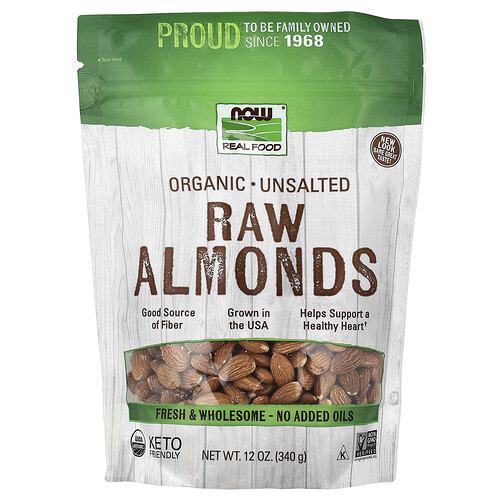
NOW Foods, Real Food, Organic Raw Almonds, Unsalted, 12 oz (340 g)
- Organic, raw, and unsalted whole almonds
- Rich in protein, fiber, and healthy fats
- Excellent source of vitamin E & magnesium
Natural Plant Compounds
Some nuts and legumes, like soy, contain natural plant compounds that have been shown to support skin elasticity and hydration.
These nutrients can help improve skin texture and moisture levels, especially as skin naturally becomes drier with age.
Zinc
Many nuts and seeds also provide zinc, a mineral that plays a role in skin repair and renewal.
Zinc helps support wound healing, keeps oil production balanced, and helps skin recover from everyday stress.
How to Add Nuts and Seeds to Your Diet:
- Snack on a handful of almonds, walnuts, or sunflower seeds
- Sprinkle ground flaxseeds or chia seeds over yogurt, oatmeal, or smoothies
- Add crushed nuts to baked goods or breakfast bowls for extra crunch
5. Purple Sweet Potatoes: Antioxidant Power for Skin Repair and Anti-Aging
Purple sweet potatoes may look striking on your plate, but their real magic happens beneath the surface—especially when it comes to your skin.
Their deep purple color comes from anthocyanins, powerful antioxidants that help protect skin cells from damage caused by sun exposure, pollution, and everyday stress.
These compounds support skin repair, help preserve collagen, and slow visible signs of aging.
Why purple sweet potatoes are fantastic for glowing skin:
Powerful Antioxidants That Fight Skin Aging
Anthocyanins help neutralize free radicals, which are one of the main drivers of skin aging.
Studies show these antioxidants protect skin cells from oxidative damage that can break down collagen and elastin—two proteins that keep skin firm and smooth.
By strengthening the skin’s natural antioxidant defenses, purple sweet potatoes help skin stay resilient and healthy over time.
Sun Protection
Oxidative stress from UV exposure is a major cause of wrinkles, uneven tone, and loss of elasticity.
Anthocyanins in purple sweet potato extracts can help protect skin cells exposed to UV light, supporting collagen integrity and reducing photoaging-related damage.
Support for Skin Repair and Renewal
Anthocyanins don’t just protect—they also support the skin’s ability to recover.
These compounds help preserve cellular structure and support natural repair processes, which contributes to smoother, more even-looking skin.
Calm Inflammation
Chronic, low-grade inflammation can accelerate skin aging.
Anthocyanins help calm inflammatory pathways, supporting healthier aging and a more balanced skin response to environmental stress.
Easy Ways to Eat More Sweet Potatoes:
- Roast sweet potato wedges with a drizzle of olive oil and your favorite spices.
- Stir mashed sweet potatoes into soups or stews for a comforting, skin-friendly boost.
- Swap regular fries for baked sweet potato fries—a tasty, nutrient-rich alternative.
6. Tomatoes: Lycopene for Skin Protection
Tomatoes aren’t just a staple in your favorite dishes—they’re also a powerful ally for glowing, healthy skin.
Their secret weapon?
Lycopene, a carotenoid with strong antioxidant properties that helps protect your skin from environmental stress and premature aging.
Why tomatoes are amazing for glowing skin:
Lycopene Power
Lycopene helps neutralize harmful free radicals, reducing oxidative stress that can damage skin cells.
Studies in adults have shown that daily consumption of tomato paste or a lycopene-rich tomato complex can increase serum lycopene levels, improve collagen production, and reduce enzymes that break down collagen.
This combination keeps skin firm, smooth, and youthful.
Natural Sun Protection
Research indicates that lycopene can help protect your skin from UV damage.
In one study, 20 healthy women who consumed 40–55 g of tomato paste daily (providing around 16 mg of lycopene) experienced less UV-induced redness and higher resistance to sunburn, compared with control groups.
This shows that lycopene works as a natural layer of protection against sun-related skin aging.
Improved Skin Texture
By supporting collagen and elastin integrity, lycopene helps maintain skin elasticity and firmness, giving your complexion a smoother, more radiant appearance over time.
Easy Ways to Add Tomatoes to Your Diet:
- Slice fresh tomatoes into salads, sandwiches, or wraps for a quick skin-boosting addition
- Use tomato paste or sauce as a base for pasta, pizza, or cooked dishes to get concentrated lycopene
- Sip fresh tomato juice or blend it into a vegetable smoothie for an easy, nutrient-rich drink
7. Green Leafy Vegetables: Nutrients for Radiant Skin
Think of green leafy vegetables like spinach, kale, Swiss chard, and collard greens as a natural glow-up for your skin.
Packed with vitamins, minerals, and antioxidants, these greens nourish your skin from the inside, helping it look healthy, smooth, and radiant.
Why leafy greens are great for glowing skin:
Vitamin A
Vitamin A is essential for keeping skin cells turning over properly. This helps prevent dryness and flakiness, leaving your complexion soft and refreshed.
But leafy greens also bring in lutein, a carotenoid that research suggests can protect the skin’s structural proteins and help reduce wrinkles.
Vitamin C
Many leafy greens, like kale and spinach, are rich in vitamin C, which supports collagen production and helps protect skin from free radicals.
This means stronger, firmer skin and less visible aging.
Lutein and Zeaxanthin
Studies show that people who eat dark leafy greens regularly—at least three times a week—may have a lower risk of skin damage and even certain types of skin cancer.
High intake of lutein and zeaxanthin has been linked to reduced risk of squamous cell carcinoma, and some research suggests protection against melanoma too.
Anti-Inflammatory Benefits
Leafy greens contain chlorophyll and other compounds that help calm irritation, reduce redness, and promote a smooth, even complexion.
Easy Ways to Eat More Leafy Greens:
- Blend spinach or kale into smoothies or fresh juices for a nutrient-packed start to your day.
- Use leafy greens as the base for salads, wraps, or grain bowls.
- Sauté greens with a bit of olive oil and garlic for a simple, skin-loving side dish.
8. Citrus Fruits: Brightening Vitamin C for Radiant Skin
Citrus fruits, including oranges, lemons, grapefruits, and limes, are packed with vitamin C, an essential nutrient for skin health.
Vitamin C is essential for collagen production, helping your skin stay firm, elastic, and glowing.
Why citrus fruits are great for glowing skin:
Vitamin C
Vitamin C is a potent antioxidant that protects your skin from free radicals, supports collagen production, and helps fade dark spots and pigmentation.
Studies show that regularly eating antioxidant-rich fruits and vegetables, like citrus, is linked to better skin health and may even lower the risk of oxidative stress-related diseases.
Bioactive Ingredients
Citrus fruits aren’t just vitamin C—they contain flavonoids, limonoids, and terpenes, which have antioxidant, anti-inflammatory, and anti-aging properties.
These compounds can help reduce oxidative damage, protect cells, and even support skin hydration and elasticity.
Some citrus compounds, like hesperidin, have been found to calm inflammation and strengthen antioxidant defenses in tissues.
Skin Healing
Citrus bioactives can also help protect the skin from damage, including UV-induced oxidative stress, while promoting wound healing and anti-aging effects.
Even extracts from citrus peels can inhibit enzymes that break down collagen and increase skin hydration, making your skin healthier and more resilient.
How to Add Citrus Fruits to Your Diet:
- Snack on fresh citrus slices for a naturally sweet, skin-boosting treat.
- Use a light squeeze of citrus over cooked dishes or roasted vegetables for a zesty finishing touch.
Final Thoughts
Glowing, healthy skin isn’t just about what you put on it—it’s about what you feed it.
By including these eight nutrient-packed foods—avocados, berries, fatty fish, nuts and seeds, purple sweet potatoes, tomatoes, green leafy vegetables, and citrus fruits—you’re giving your skin the vitamins, antioxidants, and healthy fats it needs to look radiant and feel healthy.
Remember, there’s no single magic food that will transform your skin overnight. Instead, think of these as your ultimate toolkit for daily nourishment.
Mixing and matching these foods for glowing skin in your meals can help improve hydration, boost collagen, protect against environmental damage, and even calm inflammation.
Start small—maybe add avocado to your breakfast toast, toss berries into your yogurt, or roast sweet potatoes as a side dish.
Over time, these simple, skin-loving habits can make a big difference, leaving your skin looking vibrant, youthful, and radiant from the inside out.
Your glow is on the menu—so eat well, enjoy every bite, and let your skin shine!
*This article is for informational purposes only and should not be considered medical or dermatological advice. Always consult with a dermatologist or qualified skincare professional for personalized recommendations tailored to your skin type and concerns.
Evans, Julie A, and Elizabeth J Johnson. “The role of phytonutrients in skin health.” Nutrients vol. 2,8 (2010): 903-28. doi:10.3390/nu2080903. Adapted and used under the terms of the Creative Commons Attribution 3.0 Unported License.
Fam, Vivien W et al. “Plant-Based Foods for Skin Health: A Narrative Review.” Journal of the Academy of Nutrition and Dietetics vol. 122,3 (2022): 614-629. doi:10.1016/j.jand.2021.10.024. Adapted and used under the terms of the Creative Commons Attribution 4.0 International License.
Huber, Kristen L et al. “HYVIA™: A novel, topical chia seed extract that improves skin hydration.” Journal of cosmetic dermatology vol. 19,9 (2020): 2386-2393. doi:10.1111/jocd.13469. Abstract only.
Marra, Anita, et al. “Avocado and Its By-Products as Natural Sources of Valuable Anti-Inflammatory and Antioxidant Bioactives for Functional Foods and Cosmetics with Health-Promoting Properties.” Applied Sciences, vol. 14, no. 14, 2024, p. 5978. doi:10.3390/app14145978. Adapted and used under the terms of the Creative Commons Attribution 4.0 International License.
Maqsood, Sammra et al. “Anthocyanins From Sweet Potatoes (Ipomoea batatas): Bioavailability, Mechanisms of Action, and Therapeutic Potential in Diabetes and Metabolic Disorders.” Food science & nutrition vol. 13,9 e70895. 4 Sep. 2025, doi:10.1002/fsn3.70895. Adapted and used under the terms of the Creative Commons Attribution 4.0 International License.
Piazza, Stefano et al. “A Review of the Potential Benefits of Plants Producing Berries in Skin Disorders.” Antioxidants (Basel, Switzerland) vol. 9,6 542. 20 Jun. 2020, doi:10.3390/antiox9060542. Adapted and used under the terms of the Creative Commons Attribution 4.0 International License.
Rizwan, M., I. et al. "Tomato Paste Rich in Lycopene Protects Against Cutaneous Photodamage in Humans in Vivo: A Randomized Controlled Trial." British Journal of Dermatology, vol. 164, no. 1, 1 Jan. 2011, pp. 154–162. https://doi.org/10.1111/j.1365-2133.2010.10057.x. Abstract only.
Rybak, Iryna et al. “Prospective Randomized Controlled Trial on the Effects of Almonds on Facial Wrinkles and Pigmentation.” Nutrients vol. 13,3 785. 27 Feb. 2021, doi:10.3390/nu13030785. Adapted and used under the terms of the Creative Commons Attribution 4.0 International License.
Sawada, Yu et al. “Omega 3 Fatty Acid and Skin Diseases.” Frontiers in immunology vol. 11 623052. 5 Feb. 2021, doi:10.3389/fimmu.2020.623052. Adapted and used under the terms of the Creative Commons Attribution 4.0 International License.
Stahl, Wilhelm, et al. "Dietary Tomato Paste Protects against Ultraviolet Light–Induced Erythema in Humans." The Journal of Nutrition, vol. 131, no. 5, 2001, pp. 1449–1451. https://doi.org/10.1093/jn/131.5.1449. Abstract only.

Malin, co-founder of Courier Beauty, has a BA in Fashion Marketing and a PG certificate in Fashion & Luxury Goods Management. She’s passionate about skin health through nutrition and creates content focused on radiant skin and holistic wellness.