


How Collagen Helps with Anti-Aging: What You Need to Know
Aging is a natural part of life, but let’s be honest — most of us want to keep our skin looking firm, smooth, and radiant for as long as possible.
That’s where collagen for anti-aging comes into play. Collagen is a protein in our bodies that keeps our skin elastic and youthful, but as we get older, our natural collagen levels start to dip.
The result?
Fine lines, sagging, and a loss of that healthy glow.
So, what exactly is collagen, and how can it help you fight the signs of aging?
In this article, I’ll break down everything you need to know about collagen and how it can support a vibrant, youthful look — in a way that’s easy to understand and actually useful.
Let’s dive in!
This post contains affiliate links, which means we may earn a commission if you purchase through our links—at no extra cost to you. As an Amazon Associate we earn from qualifying purchases. We only recommend products we use or trust. Learn more about affiliate marketing or read our full disclosure.
What Is Collagen?
So, what exactly is collagen, and why does everyone rave about it when it comes to skincare?
Simply put, collagen is the most abundant protein in our bodies — it makes up about 30% of all the protein we have. It’s a major part of connective tissues like your skin, bones, tendons, and ligaments.
Found this helpful? Pin it for later so you can come back anytime.

Think of it as the scaffolding or framework that keeps your skin looking strong, smooth, and youthful by providing structural support to the skin’s extracellular matrix.
Not all collagen is the same, though. Scientists have identified around 28 different types of collagen in the human body.
When it comes to skin health and anti-aging, the most important ones are Type I and Type III collagen, which make up the majority of the skin’s structural framework.
Type I collagen alone makes up around 80% of the collagen in your skin, giving it that firmness and strength we all want to hold onto as we age.
How Does Collagen Affect Skin Aging?
Let’s get real — our bodies are amazing, but they don’t hold onto collagen forever. Collagen production naturally slows down as we age, starting as early as our mid-20s.
Research shows that collagen levels in the skin typically peak between the ages of 25 and 34, after which production gradually declines.
By the time you reach your 40s, your skin’s collagen levels may decline by around 1% to 1.5% per year, contributing to gradual structural changes in the skin.
This slow decline shows up in ways we all notice:
- Thinner, more fragile skin
- Reduced elasticity
- Fine lines and wrinkles
- Loss of firmness and volume
Over time, collagen fibers can also become weaker and less organized, while other key components of the skin’s support structure — such as elastin and hyaluronic acid — also decline. Together, these changes reduce the skin’s ability to stay firm, smooth, and hydrated.
But aging isn’t the only culprit. Environmental factors like sun exposure, pollution, smoking, and even a poor diet can speed up collagen breakdown.
For instance, ultraviolet (UV) rays from the sun penetrate your skin and trigger collagen destruction through oxidative stress and inflammation — a process called photoaging, which is one of the main causes of premature skin aging.
That’s why paying attention to collagen for anti-aging isn’t just about combating wrinkles — it’s about supporting your skin’s structure from the inside out, helping you maintain a youthful glow longer.
How Collagen Supports Anti-Aging
So, how exactly does collagen help fight the signs of aging?
Let’s break it down:
1. Boosts Skin Elasticity and Firmness
Think of collagen as the skin’s support system — a mesh-like network within the skin’s extracellular matrix (ECM) that holds everything together and provides structural strength.
When collagen levels are healthy, your skin looks plump, smooth, and full of life.
But as collagen starts to dwindle and collagen fibers become fragmented with age, that support system weakens. This is when sagging, fine lines, and wrinkles start to appear.
That’s why collagen for anti-aging is such a powerful ally in keeping your skin looking firm and youthful.
2. Helps Retain Moisture
Collagen isn’t just about firmness — it also plays an important role in maintaining the structure of the skin that helps retain moisture.
When your skin has enough collagen and a healthy extracellular matrix, it can hold onto hydration more effectively, giving you that healthy, radiant glow.
But as collagen breaks down over time, the skin’s structure weakens and moisture is lost more easily. This can make dryness more noticeable and emphasize fine lines and wrinkles.
That’s another reason why collagen for anti-aging is so important: it helps your skin stay plump, soft, and glowing.
3. Aids Skin Repair and Renewal
Collagen is also essential for your skin’s natural repair system.
Specialized skin cells called fibroblasts produce collagen and help maintain the skin’s structural framework. These cells constantly rebuild and repair the connective tissue that keeps skin strong and resilient.
Collagen plays a key role in wound healing, skin regeneration, and maintaining the skin’s overall structure.
However, as we age, fibroblast activity slows down and collagen production declines. At the same time, enzymes that break down collagen become more active, which contributes to thinner skin, reduced elasticity, and the formation of wrinkles.
By supporting your body with collagen for anti-aging, you’re helping maintain the structural foundation your skin needs to stay smooth, strong, and vibrant.
How to Support Collagen for Anti-Aging
Since our collagen production naturally slows down over time, it’s smart to take steps that support your body’s collagen levels — and protect the collagen you already have.
Here’s how you can do it:
1. Eat Collagen-Boosting Foods
What you eat plays a huge role in keeping your skin strong and youthful.
Certain nutrients help your body produce collagen, protect existing collagen fibers, and maintain healthy skin structure.
vitamin c
Vitamin C is one of the most important nutrients for collagen production because it helps stimulate the synthesis of both collagen and elastin in the skin.
It also acts as a powerful antioxidant that protects skin cells from UV damage and inflammation.
Good sources include: citrus fruits, strawberries, bell peppers, broccoli, and kiwi.
protein
Protein provides amino acids like glycine, proline, and hydroxyproline — the building blocks your body uses to create collagen.
Good sources include: chicken, fish, eggs, dairy, beans, and legumes.
copper
Copper helps activate enzymes involved in collagen formation and plays an important role in maintaining the skin’s extracellular matrix.
Good sources include: nuts, seeds, shellfish, and whole grains.
healthy fats
Essential fatty acids, especially omega-3 fatty acids, help maintain the skin barrier and reduce inflammation. They also help keep skin hydrated and resilient.
Good sources include: fatty fish like salmon, flaxseeds, walnuts, and chia seeds.
antioxidants
Plant compounds such as polyphenols and flavonoids help protect collagen and elastin from oxidative damage. These antioxidants can also help reduce inflammation and support overall skin health.
Good antioxidant-rich foods include: berries, dark chocolate, green tea, olives, and colorful fruits and vegetables.
You can also get collagen directly from foods like bone broth, chicken skin, and fish skin. Adding these to your diet is a simple way to give your skin the support it needs to stay firm, smooth, and glowing.
Found this helpful? Pin it for later so you can come back anytime.

2. Consider Collagen Supplements
Collagen supplements have become a popular way to support youthful skin. Most are made from hydrolyzed collagen peptides, which are smaller fragments of collagen protein that are easier for the body to digest and absorb.
Once absorbed, these peptides enter the bloodstream and can provide the building blocks your body uses to support collagen production in the skin.
Some studies have found that taking collagen peptides consistently for several weeks or months may help improve skin elasticity and reduce the appearance of wrinkles.
Of course, supplements aren’t magic on their own — they work best when paired with a balanced diet, regular exercise, and other healthy lifestyle habits.
If you’re looking for a reliable option, I personally recommend Sports Research Collagen Peptides (Unflavored), available on iHerb. It’s non-GMO tested, gluten-free, third-party tested, and cCGMP complaint.
It’s easy to mix into your morning coffee, smoothies, or even water — a simple way to give your skin an extra boost in your collagen for anti-aging routine.
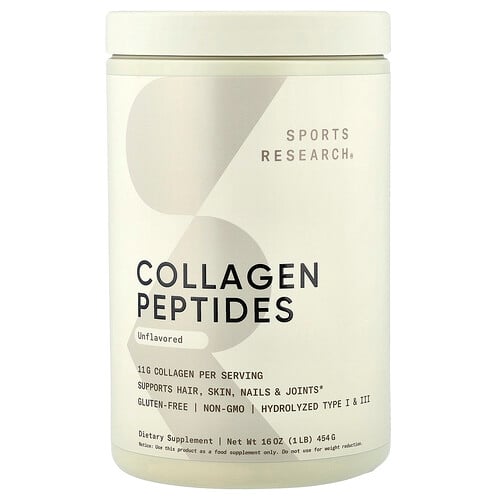
Sports Research, Collagen Peptides, Unflavored, 1 lb (454 g)
If you prefer a marine-based option, Sports Research Marine Collagen (Unflavored) is a great alternative. Marine collagen is sourced from wild-caught fish and is primarily Type I collagen, which is the most abundant type in your skin.
Some people find it easier to digest, and studies suggest that marine collagen peptides rich in amino acids such as glycine and proline may support skin elasticity and hydration.
Research also indicates that marine-derived bioactive peptides may help reduce oxidative stress and photodamage, which are key contributors to skin aging.
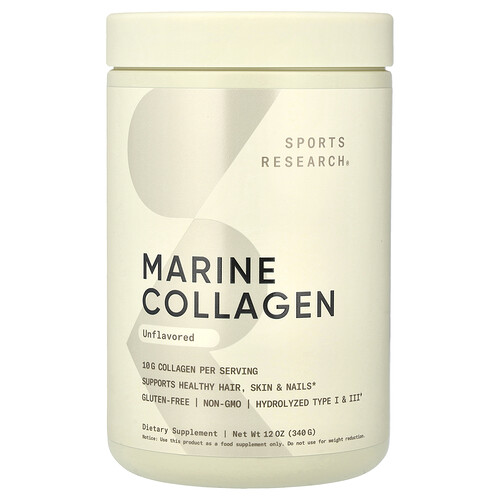
Sports Research, Marine Collagen, Unflavored, 12 oz (340 g)
While it’s not “better” for everyone, it can be a preferred choice if you want a collagen supplement specifically targeted toward skin health.
3. Protect Your Skin from Sun Damage
Sunshine feels great, but those UV rays can really take a toll on your collagen. Daily sunscreen is a must to help protect your skin and preserve its youthful structure.
Choose a broad‑spectrum sunscreen with at least SPF 30 — but if you want extra day‑to‑day protection, products like Supergoop! Unseen Sunscreen SPF 50 from Amazon are a great choice.
This formula goes on completely clear, feels lightweight and non‑greasy, and is suitable for all skin types, so it’s easy to make SPF part of your daily routine.
Protecting your skin from sun damage is one of the simplest and most effective ways to support collagen for anti-aging.
4. Avoid Smoking and Limit Alcohol
Smoking and excessive alcohol consumption can significantly damage the skin’s collagen.
Smoking generates free radicals that accelerate collagen breakdown and slow the skin’s natural repair processes.
Research has also shown that smokers produce lower levels of type I and type III collagen, the key structural proteins responsible for skin strength and elasticity.
Cutting back on these habits is a powerful way to help preserve your skin’s firmness and support collagen for anti-aging.
5. Use Skincare Products with Collagen-Boosting Ingredients
The right skincare can give your collagen a helping hand.
Certain ingredients can stimulate collagen production:
retinoids
These are superstar ingredients when it comes to boosting collagen and improving skin texture.
Retinoids (vitamin A derivatives like retinol) work by increasing cell turnover and stimulating collagen synthesis while also reducing enzymes that break down collagen.
Studies show they can improve visible signs of skin aging such as wrinkles, fine lines, and uneven pigmentation over time.
If you’re looking for a gentle yet effective option, SkinMedica Age Defense Retinol Complex .25, available on Amazon, is a great choice.
It contains a mild concentration of encapsulated retinol, so it’s easier on the skin while still supporting firmness, reducing the appearance of fine lines, and giving your complexion a healthy glow.
Vitamin C Serums
Vitamin C is a superstar ingredient for your skin — it helps protect against free radical damage while also supporting collagen production, keeping your skin firm and radiant.
A great option to try is Obagi Professional‑C Serum 10% from Amazon. It’s made with 10 % L‑ascorbic acid, which helps brighten your complexion, defend against environmental stressors, and give your skin a boost in your collagen for anti-aging routine.
Plus, it’s lightweight and absorbs quickly, making it easy to layer under your morning moisturizer or sunscreen.
peptides
Peptides are like little messengers for your skin — they tell it to produce more collagen, elastin, and other key structural proteins.
Certain peptides can also reduce inflammation, protect against oxidative stress, and even help maintain skin firmness and elasticity.
Adding peptides to your routine is an easy way to support your collagen for anti-aging goals.
A great product to try is Medik8 Liquid Peptides Serum, available on Amazon. It’s packed with a blend of peptides that help smooth fine lines, boost firmness, and keep skin hydrated.
Just a few drops on clean skin before your moisturizer can give your skin an extra boost and make your routine feel a little more luxurious.
hyaluronic acid
Think of hyaluronic acid (HA) as a tall glass of water for your skin. HA naturally attracts and holds moisture, keeping your skin plump, hydrated, and smooth.
By supporting hydration, HA helps collagen do its job, improving elasticity and reducing the appearance of fine lines and wrinkles.
Well-hydrated skin looks smoother, softer, and more youthful — basically, it just glows.
A great serum to try is PCA SKIN Hyaluronic Acid Boosting Serum, available on Amazon. It’s lightweight, absorbs quickly, and helps your skin hold onto moisture while supporting its natural hyaluronic acid production.
Just a few drops on clean skin before your moisturizer can make a noticeable difference in how soft and plump your skin feels — an easy, everyday way to give your collagen a little extra help.
Incorporating these ingredients into your routine can be a simple, effective way to support collagen for anti-aging and keep your skin looking firm, smooth, and radiant.
6. Consider Beauty Tools
Beauty tools can give your collagen a little extra support.
For example, I personally love using the LED Light Therapy Mask from CurrentBody — it’s gentle, easy to use, and can help stimulate collagen and elastin production.
Research suggests that consistent use of light therapy can improve skin elasticity, reduce fine lines, and give your skin a healthy glow.
Combining LED light therapy with a good skincare routine can be an effective way to support collagen for anti-aging.

CurrentBody Skin LED Face Mask: Series 2 | FDA-Approved | At-Home Near-Infrared & Red Light Therapy Mask | Anti-Aging | Wrinkle Reduction
Use code COURIERCB at checkout to save 10%.
If you want to learn more about the CurrentBody LED Mask, you can read my sister’s review here: I Tested The CurrentBody LED Mask For 8 Weeks — Here’s What Happened.
Common Myths About Collagen and Anti-Aging
Let’s clear up some misconceptions about collagen and its role in keeping your skin youthful.
Myth 1: Applying Collagen Topically Adds Collagen to Your Skin
Collagen is one of your skin’s best friends — it keeps your skin firm, plump, and elastic.
But here’s the truth: when applied as a cream, lotion, or mask, collagen molecules are too large to actually reach the deeper layers of your skin where it does most of its work.
That doesn’t mean topical collagen is useless. It sits on the skin’s surface, forming a protective layer that locks in moisture, giving your skin a smoother, brighter, and more hydrated appearance.
If you really want to support collagen from the inside out, oral collagen supplements are your best bet.
Once digested, they break down into amino acids and small peptides that your body can use to stimulate collagen production in the dermis — the deeper layer of your skin.
This can lead to improved elasticity, reduced wrinkles, and better hydration over time.
Myth 2: Collagen Supplements Work Overnight
It would be amazing if collagen supplements gave instant results, but the reality is it takes time to see improvement.
Noticeable benefits usually appear only after several weeks or even months of consistent use.
Think of collagen for anti-aging as a long-term investment in your skin’s health — the results are worth the wait!
Myth 3: Only Women Need to Worry About Collagen
Collagen decline happens to everyone. Men and women lose collagen as they age, though women see extra changes around menopause.
So if you’re thinking collagen for anti-aging is just for women, think again!
Supporting collagen — with diet, supplements, and skin-friendly routines — keeps skin firm, smooth, and youthful for all genders.
Signs Your Skin May Need More Collagen Support
Your skin gives you clues when it could use a little extra collagen care.
Keep an eye out for:
- More fine lines and wrinkles than usual
- Loss of firmness or sagging skin
- Dry or dull-looking complexion
- Slower wound healing
If you notice these changes, consider incorporating collagen-supporting habits into your routine.
Final Thoughts
Collagen is truly one of your skin’s best friends when it comes to staying youthful, firm, and radiant.
While natural aging and environmental factors can deplete collagen over time, there are plenty of ways to support your skin — from eating collagen-boosting foods and using the right skincare, to considering supplements and protecting your skin from sun damage.
Remember, collagen for anti-aging isn’t about quick fixes — it’s about consistent, simple habits that help your skin look and feel its best over the long run.
Start incorporating these tips into your routine, and give your skin the support it deserves!
*This article is for informational purposes only and should not be considered medical or dermatological advice. Always consult with a dermatologist or qualified skincare professional for personalized recommendations tailored to your skin type and concerns.
Bar, Ofek, and Skaidra Valiukevičienė. “Skin Aging and Type I Collagen: A Systematic Review of Interventions with Potential Collagen-Related Effects.” Cosmetics, vol. 12, no. 4, 2025, p. 129. https://doi.org/10.3390/cosmetics12040129. Adapted and used under the terms of the Creative Commons Attribution 4.0 International License.
Cao, Changwei et al. “Diet and Skin Aging-From the Perspective of Food Nutrition.” Nutrients vol. 12,3 870. 24 Mar. 2020, doi:10.3390/nu12030870. Adapted and used under the terms of the Creative Commons Attribution 4.0 International License.
Chylińska, Natalia, and Mateusz Maciejczyk. “Hyaluronic Acid and Skin: Its Role in Aging and Wound-Healing Processes.” Gels (Basel, Switzerland) vol. 11,4 281. 9 Apr. 2025, doi:10.3390/gels11040281. Adapted and used under the terms of the Creative Commons Attribution 4.0 International License.
"Facts About the Current Good Manufacturing Practice (CGMP)." U.S. Food and Drug Administration, https://www.fda.gov/drugs/pharmaceutical-quality-resources/facts-about-current-good-manufacturing-practice-cgmp. Accessed 5 March 2026.
Jadach, Barbara et al. “Use of Collagen in Cosmetic Products.” Current issues in molecular biology vol. 46,3 2043-2070. 4 Mar. 2024, doi:10.3390/cimb46030132. Adapted and used under the terms of the Creative Commons Attribution 4.0 International License.
Knuutinen, A et al. “Smoking affects collagen synthesis and extracellular matrix turnover in human skin.” The British journal of dermatology vol. 146,4 (2002): 588-94. doi:10.1046/j.1365-2133.2002.04694.x. Abstract only.
Pullar, Juliet M et al. “The Roles of Vitamin C in Skin Health.” Nutrients vol. 9,8 866. 12 Aug. 2017, doi:10.3390/nu9080866. Adapted and used under the terms of the Creative Commons Attribution 4.0 International License.
Quan, Taihao. “Human Skin Aging and the Anti-Aging Properties of Retinol.” Biomolecules vol. 13,11 1614. 4 Nov. 2023, doi:10.3390/biom13111614. Adapted and used under the terms of the Creative Commons Attribution 4.0 International License.
Rahman, Azizur et al. "Unlocking the Therapeutic Potential of Marine Collagen: A Scientific Exploration for Delaying Skin Aging" Marine Drugs 22, no. 4: 159 (2024), https://doi.org/10.3390/md22040159. Adapted and used under the terms of the Creative Commons Attribution 4.0 International License.
Reilly, David M., and Jennifer Lozano. "Skin Collagen through the Lifestages: Importance for Skin Health and Beauty." Plastic and Aesthetic Research, vol. 8, no. 2, 2021, http://dx.doi.org/10.20517/2347-9264.2020.153. Adapted and used under the terms of the Creative Commons Attribution 4.0 International License.
Waszkielewicz, Anna Maria, and Kaja Mirosław. "Peptides and Their Mechanisms of Action in the Skin." Applied Sciences, vol. 14, no. 24, 2024, p. 11495, https://doi.org/10.3390/app142411495. Adapted and used under the terms of the Creative Commons Attribution 4.0 International License.

Malin, co-founder of Courier Beauty, has a BA in Fashion Marketing and a PG certificate in Fashion & Luxury Goods Management. She’s passionate about skin health through nutrition and creates content focused on radiant skin and holistic wellness.