

Discover the 8 Best Sources of Antioxidants for Healthy Skin
Tired of looking in the mirror and seeing dull, tired skin staring back? You’re definitely not alone.
But before you spend a small fortune on fancy creams or treatments, it’s worth looking at something a little simpler—and way more powerful: antioxidants.
The best antioxidants for skin—like vitamin C, vitamin E, and green tea extract—do more than just sound impressive.
They help fight off free radicals (those pesky molecules that speed up aging), give your skin a healthy glow, and even help prevent long-term damage.
But let’s be real—there’s a lot of hype out there. It can be tough to figure out which antioxidants actually deliver and which ones are just buzzwords.
That’s exactly why I created this guide: to give you the real scoop on the top antioxidant-rich sources that your skin will actually love.
Ready to glow from the inside out? Let’s get into it.
This post contains affiliate links, which means we may earn a commission if you purchase through our links—at no extra cost to you. As an Amazon Associate we earn from qualifying purchases. We only recommend products we use or trust. Learn more about affiliate marketing or read our full disclosure.
Understanding Antioxidants (And Why Your Skin Loves Them)
Before we get into the best antioxidants for skin, let’s talk about what they actually do — and why your skin can’t get enough of them.
Found this helpful? Pin it for later so you can come back anytime.

Every day, your skin faces a lot:
- Pollution
- UV rays
- Stress
- Lack of sleep
All of these trigger free radicals — unstable little troublemakers that break down collagen, speed up aging, and leave your skin looking… well, less than its best.
That’s where antioxidants step in. They help neutralize those harmful molecules before they can do damage, protecting your skin from the inside out.
The result?
Healthy, glowing, and more resilient skin.
RELATED POST: Antioxidants for Skin Aging: Unlock the Secrets to Youth
Now that you’ve got the why, let’s get into the what—the best antioxidants your skin is seriously going to thank you for.
The 8 Best Sources of Antioxidants for Skin Health
Want healthy, glowing skin?
One of the best ways to get there is by giving your body the nutrients it needs to protect and repair itself — starting with antioxidants.
These skin-loving compounds are like your complexion’s personal bodyguards, fighting off damage, keeping signs of aging at bay, and helping you look refreshed and radiant.
From powerhouse vitamins to plant-based heroes, here are the best antioxidants for skin—and how to make sure you’re getting enough of them.
1. Vitamin C
If you’re only going to start with one antioxidant, let it be vitamin C.
This skincare MVP does it all — it helps fight UV damage, supports collagen production, and brightens your complexion like nobody’s business.
It also works overtime to fade dark spots and even out skin tone.
RELATED POST: The Amazing Benefits of Vitamin C for Your Skin
But there’s a catch: vitamin C is water-soluble, which means your body doesn’t store it. So, you need a steady supply every day to keep those benefits going.
Here are some delicious ways to get your fix:
|
Food Type |
Sources |
|
Citrus Fruits |
Oranges, grapefruit, lemons |
|
Berries |
Strawberries, blueberries, raspberries |
|
Leafy Greens |
Spinach, kale, collard greens |
|
Peppers |
Red bell peppers, chili peppers |
Source: FoodData Central
So, whether you’re blending up a smoothie or tossing some spinach into your lunch, making vitamin C a regular part of your routine is a must for healthy, glowing skin.
2. Vitamin E
Think of vitamin E as your skin’s bodyguard.
This antioxidant shields your skin from UV damage, helps it retain moisture, and supports the natural healing process — making it an absolute must in your skincare (and snack) routine.
You’ll often spot it on product labels as tocopherol or tocopheryl acetate — both forms are great for locking in hydration and protecting your skin barrier.
RELATED POST: The Amazing Things Vitamin E Does to Your Skin
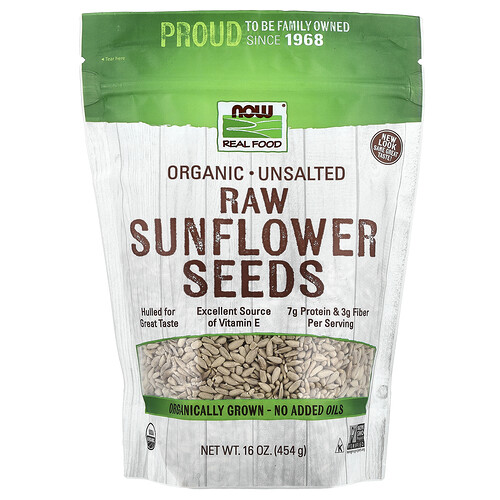
Unlike vitamin C, vitamin E is fat-soluble, so your body can actually store it up for later. That means it works its magic whether you’re eating it or applying it directly to your skin.
Here are a few tasty ways to boost your vitamin E levels:
|
Food Type |
Sources |
|
Nuts |
Almonds, hazelnuts, peanuts |
|
Seeds |
Sunflower seeds, pumpkin seeds |
|
Fruits & Oils |
Avocado, olive oil |
Source: FoodData Central
Including these in your meals isn’t just great for your skin — your whole body benefits!
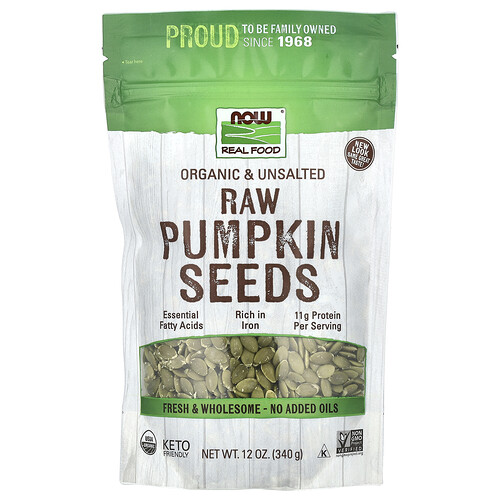
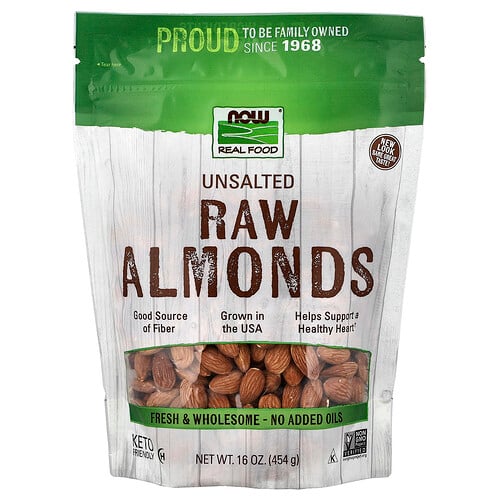
A handful of almonds here, a drizzle of olive oil there, and you’re giving your skin the tools it needs to stay soft, hydrated, and glowing.
3. Vitamin A
Let’s talk about vitamin A — a true multitasker when it comes to skin health.
While it’s technically an antioxidant, its superhero power really comes from beta-carotene, a plant-based compound that your body converts into vitamin A.
This antioxidant is famous for promoting cell turnover (a fancy way of saying it helps your skin renew itself) and boosting collagen production.
Is it any wonder it shows up in so many anti-aging creams and serums?
RELATED POST: The Wonderful Anti-aging Benefits of Vitamin A
In skincare products, keep an eye out for ingredients like retinol or retinyl palmitate — both are forms of vitamin A that help smooth out fine lines and keep your skin firm and fresh.
Want to load up naturally?
Here’s where to find it:
|
Food Type |
Sources |
|
Vegetables |
Carrots, sweet potatoes, spinach |
|
Animal Products |
Liver (beef, chicken, fish), eggs |
Source: FoodData Central
Bottom line: When it comes to the best antioxidants for skin, vitamin A absolutely earns its place — both on your plate and in your skincare lineup.
Just a heads-up: Since it’s fat-soluble, your body stores it, so it’s important not to go overboard. If you’re thinking about supplements, it’s smart to check with your healthcare provider first.
4. Green Tea
Green tea isn’t just a soothing drink — it’s one of the best antioxidants for skin, especially if you’re dealing with redness, irritation, or signs of aging.
Thanks to its anti-inflammatory and antioxidant properties, it helps calm the skin and fight off free radical damage.
When browsing skincare products, keep an eye out for ingredients like green tea extract or Camellia sinensis leaf extract — those are your go-to forms for topical benefits.
And let’s not forget the perks of sipping it, too. Drinking green tea doesn’t just hydrate you; it also supports your skin from the inside out.
Here are some of its other amazing benefits:
- Supports weight loss
- Boosts brain function
- Promotes heart health
- Improves bad breath (yep, really!)
5. Resveratrol
If you’re into skincare and red wine, you’re going to love this one.
Resveratrol is a powerful antioxidant found in certain plants — and it’s especially good at protecting your skin from UV damage and calming inflammation.
That makes it a great pick for anyone with sensitive, reactive, or acne-prone skin.
Found this helpful? Pin it for later so you can come back anytime.

In skincare products, check the label for resveratrol or grape extract — both pack the same skin-loving punch.
You’ll also find resveratrol in a few delicious sources:
|
Food Type |
Sources |
|
Fruits |
Grapes, berries (blueberries, cranberries) |
|
Beverages |
Red wine |
|
Snacks |
Dark chocolate |
But resveratrol isn’t just about protection — it’s also about prevention.
It supports collagen production, which means it helps smooth out fine lines and keeps your skin looking youthful and firm.
So go ahead, add a few resveratrol-rich treats to your diet — your skin will thank you.
6. Coenzyme Q10
Let’s talk about one of your skin’s secret weapons: Coenzyme Q10 — or CoQ10 for short.
Your body naturally produces this antioxidant, and it plays a major role in keeping your skin energized, protected, and youthful. It helps fight off free radicals and supports your skin’s ability to repair itself.
The catch?
As we age, our natural levels of CoQ10 start to dip.
That’s why it shows up in a lot of anti-aging skincare products — especially those aimed at smoothing fine lines and boosting elasticity. So, be sure to look for ubiquinone or CoQ10 on product labels.
Want to support your skin from the inside too?
Add these CoQ10-rich foods to your plate:
|
Food Type |
Sources |
|
Fish |
Salmon |
|
Meat |
Beef |
|
Vegetables |
Spinach, broccoli |
|
Nuts |
Pistachios |
Whether it’s in your serum or your salad, CoQ10 is a serious skin ally. Nourish your body with the right foods and skincare, and watch how it transforms your skin!
7. Astaxanthin
Meet astaxanthin — the vibrant red pigment that gives salmon and shrimp their gorgeous color… and your skin a serious antioxidant boost.
This marine-based powerhouse is loaded with anti-inflammatory and UV-protective properties.
It helps reduce redness, supports skin elasticity, and even shields your skin from sun damage — kind of like nature’s internal sunscreen.
Even better?
Astaxanthin is a collagen booster, making it a favorite for anti-aging. It helps smooth out fine lines and keeps your skin looking youthful and firm. You’ll even find it popping up in high-performance skincare products.
Want to add it to your plate?
Here’s where to find it:
|
Food Type |
Sources |
|
Fish |
Salmon |
|
Shellfish |
Shrimp, lobster |
|
Marine Oils |
Krill oil |
|
Algae |
Red algae |
Whether you’re enjoying grilled salmon for dinner or taking a supplement, astaxanthin gives your skin an extra layer of glow-boosting defense — from the inside out.
8. Curcumin
Let’s talk about curcumin — the golden ingredient behind turmeric’s superpowers.
This natural compound is beloved for its antioxidant and anti-inflammatory magic, especially when it comes to boosting skin health.
Curcumin helps brighten your complexion, improve skin texture, and even reduce signs of aging.
You’ll often find it in skincare products (look for turmeric extract on the label) thanks to its ability to soothe the skin and bring out that natural glow.
It’s also a go-to for calming inflammatory skin conditions like psoriasis and eczema. Basically, curcumin is a little yellow powerhouse your skin will thank you for.
Here’s where you’ll find it:
|
Food Type |
Sources |
|
Spices |
Turmeric, curry powder |
|
Vegetables |
Yellow bell peppers |
|
Other sources |
Ginger, mustard |
Whether you sprinkle turmeric into your dishes or sip on a cozy turmeric latte, adding curcumin to your routine is an easy way to give your skin a daily dose of TLC.
RELATED POST: 8 Antioxidant Benefits for Skin: How to Enhance Your Glow
Now that you’ve seen the best antioxidants for skin and where to find them, one thing becomes clear: healthy skin really does start with what you put on your plate.
Final Thoughts
When it comes to achieving healthy, glowing skin, the real magic starts from the inside out.
While skincare products can absolutely help, what you eat plays an even bigger role in how your skin looks and feels.
It’s easy to get caught up in quick fixes, but lasting results come from nourishing your body with the right nutrients.
A diet full of antioxidant-rich fruits and veggies, whole grains, lean proteins, and healthy fats supports skin that’s hydrated, resilient, and naturally radiant.
On the flip side, processed foods, excess sugar, and unhealthy fats can trigger inflammation—often showing up as breakouts, dullness, or irritation.
So, next time you think about upgrading your skincare routine, don’t forget your grocery list!
Feed your skin from within, and you’ll see the glow in your mirror—no filters or fancy treatments required.
If you found these tips helpful, don’t forget to share with friends who could use a little extra skin love!
*This article is for informational purposes only and should not be considered medical or dermatological advice. Always consult with a dermatologist or qualified skincare professional for personalized recommendations tailored to your skin type and concerns.
Bjørklund, Geir et al. “The Role of Astaxanthin as a Nutraceutical in Health and Age-Related Conditions.” Molecules (Basel, Switzerland) vol. 27,21 7167. 23 Oct. 2022, doi:10.3390/molecules27217167. Adapted and used under the terms of the Creative Commons Attribution 4.0 International License.
Gunnars, Kris and Bailey, Dylan. "10 Evidence-Based Benefits of Green Tea." Healthline, medically reviewed by Kathy W. Warwick, R.D., CDE, Nutrition, updated on 6 December 2023, https://www.healthline.com/nutrition/top-10-evidence-based-health-benefits-of-green-tea. Accessed 10 March 2024.
Jakubczyk, Karolina et al. “Antioxidant Potential of Curcumin-A Meta-Analysis of Randomized Clinical Trials.” Antioxidants (Basel, Switzerland) vol. 9,11 1092. 6 Nov. 2020, doi:10.3390/antiox9111092. Adapted and used under the terms of the Creative Commons Attribution 4.0 International License.
Meng, Xiao et al. “Health Benefits and Molecular Mechanisms of Resveratrol: A Narrative Review.” Foods (Basel, Switzerland) vol. 9,3 340. 14 Mar. 2020, doi:10.3390/foods9030340. Adapted and used under the terms of the Creative Commons Attribution 4.0 International License.
Rizvi, Saliha et al. “The role of vitamin e in human health and some diseases.” Sultan Qaboos University medical journal vol. 14,2 (2014): e157-65.
Saini, Rajiv. “Coenzyme Q10: The essential nutrient.” Journal of pharmacy & bioallied sciencesvol. 3,3 (2011): 466-7. doi:10.4103/0975-7406.84471. Adapted and used under the terms of the Creative Commons Attribution-Noncommercial-Share Alike 3.0 Unported License.
"Vitamin A." MedlinePlus, updated 19 January 2023, https://medlineplus.gov/ency/article/002400.htm. Accessed 10 March 2024.
“Vitamin C - Fact Sheet for Health Professionals." National Institutes of Health, Office of Dietary Supplements, updated 26 March 2021, https://ods.od.nih.gov/factsheets/VitaminC-HealthProfessional/. Accessed 10 March 2024.

Linda, co-founder of Courier Beauty, holds a BA in Fashion Marketing, a PG certificate in Fashion & Luxury Goods Management, and a Diploma in Natural Health Nutrition & Diet. Inspired by photography, food, and travel, she loves holistic beauty and nourishing the skin naturally.