

What Are Antioxidants? 5 Skincare Benefits You Need to Know
Glowing skin, fewer wrinkles, and a stronger barrier — it all starts with one powerful word: antioxidants.
But what are antioxidants, really, and why are they so essential for both your overall health and the appearance of your skin?
While most of us think of antioxidants as the hero ingredients in anti-aging creams or brightening serums, their benefits go far beyond what you apply topically.
They actually start from within, with the foods you eat.
By understanding what antioxidants are, how they work, and how to incorporate them through your diet and skincare routine, you can unlock remarkable benefits for your skin’s health, radiance, and youthful glow.
Let’s dive in!
This post contains affiliate links, which means we may earn a commission if you purchase through our links—at no extra cost to you. As an Amazon Associate we earn from qualifying purchases. We only recommend products we use or trust. Learn more about affiliate marketing or read our full disclosure.
Understanding Antioxidants
So, what exactly are antioxidants?
At their core, antioxidants are molecules that help neutralize harmful substances in your body called free radicals.
Free radicals are unstable molecules that your body produces naturally during normal processes like metabolism—but they can also come from things like:
- Pollution
- UV rays
- Cigarette smoke
Found this helpful? Pin it for later so you can come back anytime.

Because they have an unpaired electron, free radicals are highly reactive. When they attack your healthy cells, they cause oxidative stress, which can damage proteins, lipids, and DNA.
Over time, this stress contributes to premature aging, inflammation, and even certain diseases.
Here’s where antioxidants come to the rescue. They act like a bodyguard for your cells, donating electrons to free radicals without becoming unstable themselves.
This process helps prevent—and sometimes even repair—the damage caused by oxidative stress.
While your body makes some antioxidants naturally, most of the ones that really make a difference come from your diet—think colorful fruits and vegetables, nuts and seeds, and beverages like green tea.
RELATED POST: What are Free Radicals? 9 Must-Know Facts for Healthy Skin
Antioxidants in Food: The Cornerstone of Healthy Skin
You’ve probably heard the saying, “you are what you eat”—and when it comes to your skin, that couldn’t be more true.
There’s a powerful connection between what we eat and how our skin looks and feels. Your diet plays a key role in keeping your skin elastic, hydrated, and strong.
So, what are antioxidants doing in all this?
When you eat foods rich in antioxidants, you’re giving your skin a natural defense system from the inside out.
These nutrients help your body fight off free radicals before they can cause damage, meaning fewer fine lines, less dullness, and a more radiant complexion over time.
Let’s take a closer look at some of the most potent dietary antioxidants and how they help your skin stay healthy and glowing:
1. Vitamin C (Ascorbic Acid)
If there’s one antioxidant your skin can’t get enough of, it’s Vitamin C.
Known for its brightening and collagen-boosting powers, this water-soluble vitamin works deep within your skin cells to keep your complexion healthy, firm, and glowing.
Why your skin loves it:
Collagen Support
Vitamin C helps your skin stay firm and elastic by stimulating collagen production, the protein that gives skin its structure and bounce. It’s your best friend for minimizing the look of fine lines and wrinkles.
Brightening Power
By inhibiting melanin production, Vitamin C helps fade dark spots and even out skin tone, giving your complexion a luminous, refreshed look.
UV & Pollution Protection
While it’s not a replacement for sunscreen, Vitamin C offers extra protection against free radicals caused by UV rays and pollution, reducing the impact of daily environmental stress on your skin.
Food sources of vitamin C:
|
Fruits |
Vegetables |
|---|---|
|
Oranges, lemons, grapefruit |
Bell peppers |
|
Kiwi, strawberries |
Broccoli |
|
Papaya |
Kale |
RELATED POST: The 8 Amazing Benefits of Vitamin C for Your Skin
2. Vitamin E (Tocopherol)
Meet Vitamin E, your skin’s built-in bodyguard. This fat-soluble antioxidant protects your cells from oxidative stress, keeping your skin barrier strong, supple, and resilient.
It also works hand-in-hand with Vitamin C. Together, they form one of skincare’s most powerful antioxidant duos, especially when it comes to defending against UV and pollution damage.
Why your skin loves it:
Deep Moisture & Barrier Support
Vitamin E helps your skin lock in hydration and maintain a healthy barrier, protecting it from dryness, flakiness, and environmental stress.
Calms Redness & Irritation
Thanks to its anti-inflammatory properties, Vitamin E can soothe redness and calm irritation — a welcome relief for anyone dealing with dryness, eczema, or sensitive skin.
Promotes Healing
By supporting cell repair and regeneration, Vitamin E helps your skin recover faster from minor cuts, blemishes, or surface irritation.
Food sources of vitamin E:
|
Nuts & Seeds |
Fruits & Vegetables |
|---|---|
|
Almonds |
Avocados |
|
Sunflower seeds |
Spinach |
|
Hazelnuts |
Kale |
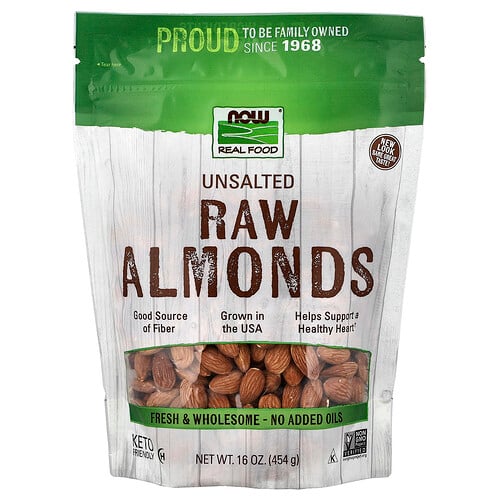
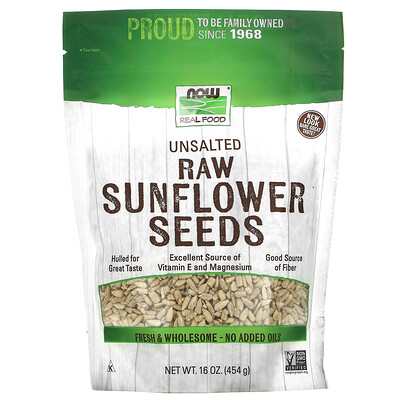
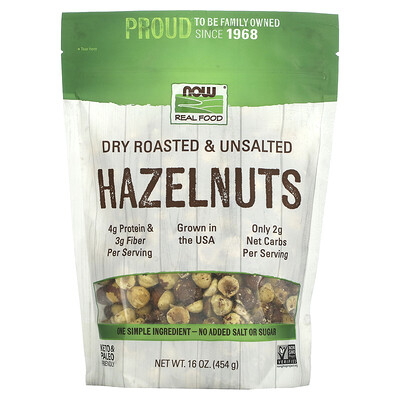
Research shows that vitamin E, especially when paired with vitamin C, enhances the skin’s resilience to UV damage and helps maintain hydration.
RELATED POST: 6 Amazing Vitamin E Skin Benefits You Need to Know
3. Beta-Carotene and Other Carotenoids
You’ve probably noticed the vibrant orange, red, and green hues in fruits and veggies—those colors often mean your food is packed with carotenoids.
Beta-carotene, in particular, is a superstar because your body converts it into vitamin A, which is essential for healthy skin cell production and repair.
Why your skin loves it:
Sun Protection
Think of carotenoids as a little natural shield for your skin. They help absorb UV light and neutralize free radicals, giving your skin extra protection from sun damage and photoaging.
Anti-aging
By tackling oxidative stress, carotenoids help keep your skin firm and elastic, supporting collagen production and helping to smooth out fine lines.
Found this helpful? Pin it for later so you can come back anytime.

Skin hydration & Repair
Carotenoids also encourage your skin’s fibroblasts—the cells that create collagen and other structural proteins—to do their job. They even support hyaluronic acid production, which keeps your skin plump and hydrated.
Food sources of beta-carotene and other carotenoids:
|
Orange & Yellow Veggies |
Dark Leafy Greens |
|---|---|
|
Carrots |
Spinach |
|
Sweet potatoes |
Kale |
|
Pumpkins |
Collard greens |
Quick Tip:
Pair carotenoid-rich foods with a source of healthy fat (like olive oil) — since carotenoids are fat-soluble, your body absorbs them more efficiently that way.
RELATED POST: The 7 Wonderful Anti-Aging Benefits of Vitamin A
4. Polyphenols
Polyphenols are a group of natural compounds packed into many fruits, veggies, teas, and even chocolate.
They’re best known for their antioxidant superpowers — helping protect your skin from daily stress, pollution, and sun exposure.
Why your skin loves it:
UV Protection
Some polyphenols, like catechins in green tea or resveratrol in grapes, act like a little shield for your skin, helping reduce sun damage and the signs of photoaging.
soothing inflammation
These compounds can calm irritated skin, helping reduce redness and flare-ups — perfect for sensitive or stressed-out skin.
collagen boost
Polyphenols also help keep your skin firm by supporting collagen production and slowing down the breakdown of structural proteins. That means smoother, more elastic skin over time.
Microbial Defense
They even help keep your skin’s microbiome happy, which is essential for a healthy, balanced skin barrier.
Food sources of polyphenols:
|
Sources |
|
Green tea |
|
Grapes |
|
Berries |
|
Dark chocolate |
|
Olive oil |
If you want a polyphenol-packed pantry staple, Olive Oil Lovers’ extra virgin olive oils are a standout. Founder Joanne Lacina enjoys extra virgin olive oil (EVOO) every day, and her glowing skin says it all.
Every bottle is carefully sourced, tasted, and analyzed to ensure top-quality extra virgin olive oil rich in polyphenols — delicious for your meals and protective for your skin from the inside out.


RELATED POST: 8 Antioxidant Benefits for Skin: How to Enhance Your Glow
5. Selenium
Think of selenium as your skin’s little bodyguard. This trace mineral helps powerful enzymes, like glutathione peroxidase, swoop in and neutralize free radicals before they can damage your cells.
Why your skin loves it:
glow & resilience
By keeping oxidative stress in check, selenium helps maintain your skin’s elasticity and prevents those early signs of aging.
UV defense
Selenium may also give your skin a boost against the sun’s harmful rays, helping protect DNA and potentially lowering the risk of skin cancers.
Food sources of selenium:
|
Protein & Animal Sources |
Plant-Based Sources |
|---|---|
|
Seafood |
Broccoli |
|
Meats (liver & kidneys) |
Whole grains |
|
Eggs |
Purple sweet potatoes |
|
Garlic |
|
|
Brazil nuts |

Bergin Fruit and Nut Company, Raw Brazil Nuts, 16 oz (454 g)
The Top 5 Skincare Benefits of Antioxidants
Antioxidants aren’t just a buzzword—they’re essential for glowing, healthy skin.
Whether you get them from your diet or apply them topically, they play a starring role in protecting and rejuvenating your skin.
Here are the top five ways antioxidants keep your skin looking its best:
1. Fights Premature Aging
Oxidative stress accelerates aging by breaking down collagen and elastin fibers.
Antioxidants combat free radicals, slowing down wrinkle formation and maintaining skin firmness.
Dietary antioxidants like vitamin C and E, along with topical antioxidants such as retinol or ferulic acid, can significantly improve skin texture and resilience.
RELATED POST: Antioxidants for Skin Aging: Unlock the Secrets to Youth
2. Calms Inflammation
Inflammation is often behind stubborn skin issues—think redness, acne flare-ups, and eczema.
Antioxidants help put out the fire by neutralizing the free radicals that trigger these reactions.
From green tea extracts in your favorite serums to polyphenol-rich foods on your plate, antioxidants work behind the scenes to soothe and calm irritated skin.
3. Shields Against Sun Damage
Sunscreen is a must, but antioxidants give your skin an extra line of defense.
Topical vitamin C and E help minimize UV-induced damage, while eating carotenoid-rich foods like carrots and sweet potatoes can boost your skin’s natural sun protection from the inside out.
Think of it as a little backup army working alongside your SPF.
4. Speeds Up Skin Healing
When free radicals run wild, your skin’s repair system can get slowed down.
Antioxidants step in to calm the chaos, helping damaged cells recover faster and supporting overall regeneration.
Selenium and vitamin E, whether from your diet or skincare, are especially helpful for bouncing back from minor cuts, scrapes, or irritations.
RELATED POST: 6 Ways Free Radicals Damage Your Skin and How to Protect It
5. Boosts Skin Tone and Radiance
Antioxidants help keep your skin looking even and glowing by preventing cell damage and controlling excess melanin.
Vitamin C is a superstar for brightening, while polyphenols in green tea can smooth and enhance your natural radiance.
The result? A complexion that looks healthy, refreshed, and luminous.
Topical vs. Dietary Antioxidants: What’s Best?
The answer? Both.
Topical antioxidants act directly on your skin, while dietary antioxidants nourish it from the inside out. Combining the two gives you a holistic approach to radiant, resilient skin.
Tips to maximize antioxidant benefits:
Eat the Rainbow
Enjoy a variety of colorful fruits and vegetables daily to cover a wide spectrum of antioxidants.
Add Healthy Fats
Olive oil, nuts, and avocado help your body absorb fat-soluble antioxidants more effectively.
Choose Stable Topicals
Look for vitamin C in stabilized forms or green tea extracts to ensure your skincare is actually delivering benefits.
Don’t Skip Sunscreen
Antioxidants work best alongside sun protection—they’re a boost, not a replacement. A solid option is Supergoop! Unseen Suncreen SPF 50, available on Amazon.
Antioxidant-Rich Foods to Include in Your Diet
Give your skin a boost from the inside out by incorporating these nutrient-packed foods:
Berries
Blueberries, raspberries, and blackberries are rich in anthocyanins, a type of polyphenol that may help protect skin from oxidative stress and support a healthy, youthful appearance.
Citrus Fruits
Oranges, lemons, and grapefruits provide vitamin C, which supports collagen production and can contribute to brighter, more even-toned skin.
Leafy Greens
Spinach, kale, and Swiss chard supply carotenoids and vitamin E, which may help maintain skin elasticity and protect against free radical damage.
Nuts and Seeds
Almonds, sunflower seeds, and walnuts are good sources of vitamin E, which supports skin barrier health and may reduce oxidative stress.
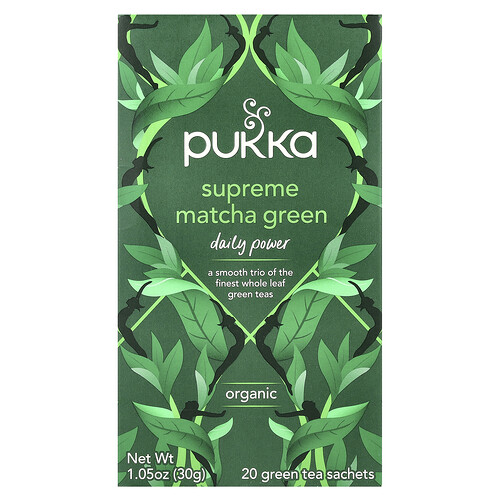
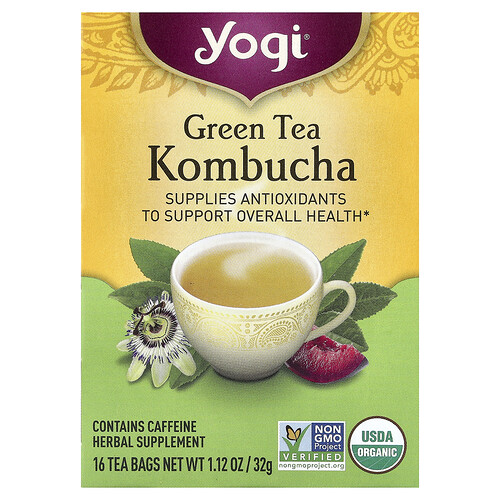
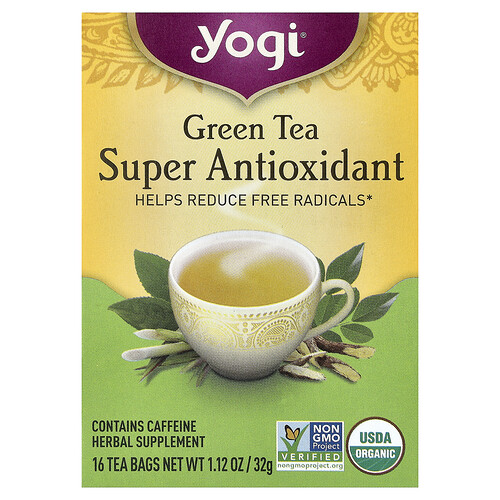
Green Tea
Packed with catechins, green tea can support anti-inflammatory and UV-protective effects in the skin.
Tomatoes
Contain lycopene, a carotenoid that may help enhance the skin’s defense against UV damage.
RELATED POST: Discover the 8 Best Sources of Antioxidants for Healthy Skin
Dark Chocolate
High-quality dark chocolate (70% cacao or more), provides flavonoids that may improve skin hydration, elasticity, and circulation.
Antioxidants in Skincare Products
Topical antioxidants are a powerhouse for your skin when added to serums, creams, or masks.
Here’s a quick look at the heavy hitters:
Vitamin C
Brightens your complexion, boosts collagen, and gives your skin an extra shield against UV damage.
If you’ve been searching for a Vitamin C serum that’s both effective and gentle, Obagi’s Professional-C Serum 10%, available on Amazon, is a gem.
It uses pure L-ascorbic acid to brighten skin tone, smooth texture, and soften fine lines — all without irritating sensitive or rosacea-prone skin.
It feels silky and lightweight, absorbs quickly, and layers perfectly under moisturizer, SPF, or makeup (no pilling in sight).
Pro Tip:
Apply Vitamin C serum right after cleansing. Let it absorb for a minute before adding moisturizer or SPF, and store it tightly sealed to protect it from air and light.
Vitamin E
Moisturizes while neutralizing free radicals, often teaming up with vitamin C for a double dose of protection.
Green Tea Extract
Packed with catechins that fight free radicals and soothe irritated skin.
Resveratrol
A potent polyphenol that helps fight signs of aging and protects your skin from environmental stress.
Coenzyme Q10
An antioxidant that supports cellular energy and helps combat oxidative stress.
Pro tip: For best results, apply antioxidants to clean skin and pair with sunscreen during the day. This combination maximizes protection and keeps your skin healthy from the inside out.
Final Thoughts
Antioxidants are truly the unsung heroes of skin health, working both inside your body and on the surface of your skin.
While serums and creams deliver immediate, targeted protection, the most lasting benefits come from a diet packed with antioxidant-rich foods.
Together, these approaches help fight oxidative stress, calm inflammation, slow down visible signs of aging, and promote radiant, resilient skin from the inside out.
Glowing, healthy skin isn’t just about high-end products—it’s about nourishing your body with the right nutrients and supporting your skin’s natural defenses.
By eating a colorful variety of fruits, vegetables, nuts, seeds, and sipping antioxidant-rich teas, while following a thoughtful skincare routine, you give your skin everything it needs to thrive—long-term vitality included.
*This article is for informational purposes only and should not be considered medical or dermatological advice. Always consult with a dermatologist or qualified skincare professional for personalized recommendations tailored to your skin type and concerns.
Di Salvo, Eleonora et al. “Polyphenols from Mediterranean Plants: Biological Activities for Skin Photoprotection in Atopic Dermatitis, Psoriasis, and Chronic Urticaria.” Plants (Basel, Switzerland) vol. 12,20 3579. 15 Oct. 2023, doi:10.3390/plants12203579. Adapted and used under the terms of the Creative Commons Attribution 4.0 International License.
Pullar, Juliet M et al. “The Roles of Vitamin C in Skin Health.” Nutrients vol. 9,8 866. 12 Aug. 2017, doi:10.3390/nu9080866. Adapted and used under the terms of the Creative Commons Attribution 4.0 International License.
Santos, Júlia Scherer, et al. “Vitamin E and Derivatives in Skin Health Promotion.” Vitamin E in Health and Disease: Interactions, Diseases and Health Aspects, edited by Pınar Erkekoglu and Júlia Scherer Santos, IntechOpen, 17 Aug. 2021, doi:10.5772/intechopen.99466. Adapted and used under the terms of the Creative Commons Attribution 3.0 Unported License.
Stanescu, Cristina et al. “Skin Aging and Carotenoids: A Systematic Review of Their Multifaceted Protective Mechanisms.” Nutrients vol. 17,16 2596. 9 Aug. 2025, doi:10.3390/nu17162596. Adapted and used under the terms of the Creative Commons Attribution 4.0 International License.

Linda, co-founder of Courier Beauty, holds a BA in Fashion Marketing, a PG certificate in Fashion & Luxury Goods Management, and a Diploma in Natural Health Nutrition & Diet. Inspired by photography, food, and travel, she loves holistic beauty and nourishing the skin naturally.