

6 Ways Free Radicals Damage Your Skin and How to Protect It
Let’s be real—skincare these days is full of buzzwords. You’ve probably heard terms like antioxidants, oxidative stress, and free radicals tossed around like confetti.
But what do they actually mean? And more importantly, what do they mean for your skin?
If you’re aiming for healthy, glowing, youthful skin, it’s worth understanding what’s really going on beneath the surface.
The truth is, free radicals damage skin in ways you might not even realize—contributing to everything from dullness to premature aging.
Don’t worry, though. We’re about to break it all down in a way that makes sense—no science degree required. You’ll learn where free radicals come from, exactly how they mess with your skin, and most importantly, how you can fight back.
This post contains affiliate links, which means we may earn a commission if you purchase through our links—at no extra cost to you. As an Amazon Associate we earn from qualifying purchases. We only recommend products we use or trust. Learn more about affiliate marketing or read our full disclosure.
What Are Free Radicals?
So, what are free radicals, exactly?
Think of them as tiny troublemakers. These unstable molecules are missing an electron, and they’re desperate to find one.
Found this helpful? Pin it for later so you can come back anytime.

In their quest for balance, they steal electrons from healthy cells—kind of like molecular pickpockets. That theft sets off a chain reaction, damaging cells along the way.
Your body naturally creates some free radicals through normal processes like breaking down food or fighting off infections.
But when you’re exposed to things like pollution, cigarette smoke, radiation, or too much sun, your body produces way more of them. That overload leads to something called oxidative stress—and that’s where the problems really start.
So why does that matter for your glow?
Because free radicals damage skin by breaking down collagen, speeding up aging, and leaving you with a dull, uneven complexion.
Not exactly the look we’re going for, right?
RELATED POST: How to Protect Your Skin Against Free Radicals
How Free Radicals Affect Your Skin
Your skin does a lot for you—it protects you from the elements, regulates temperature, and acts as your body’s first line of defense.
But because it’s constantly exposed to the outside world, it’s also one of the first places free radicals strike.
When oxidative stress kicks in, free radicals damage skin in ways you can both see and feel. We’re talking about changes at the molecular level and the kind that show up in the mirror.
Here’s how that damage unfolds:
1. Collagen Breakdown
Let’s talk collagen—it’s the stuff that keeps your skin firm, smooth, and bouncy. Think of it as the scaffolding that holds everything up.
But here’s the bad news: free radicals damage skin by going after collagen like it’s their personal punching bag.
When free radicals attack collagen fibers, they weaken the skin’s structure and mess with its natural repair process.
That means:
- Less elasticity
- More sagging
- More fine lines and wrinkles
2. Elastin Damage
If collagen is the structure, elastin is the stretch. It’s the protein that gives your skin that springy, bounce-back quality—like a rubber band that snaps right back into place.
But guess what?
Free radicals damage skin by going after elastin, too.
When elastin gets hit, your skin starts to lose that youthful snap. It becomes less resilient, more prone to sagging, and just… kind of tired-looking.
It’s one more way free radicals speed up the aging process before you’re ready for it.
3. Hyperpigmentation
Ever notice those pesky dark spots that seem to pop up out of nowhere?
Yep, free radicals could be the culprits. When they invade, they can trigger your skin to produce too much melanin—the pigment that gives your skin its color.
The result?
- Age spots
- Sun spots
- Uneven skin tone
It’s especially common in areas that get a lot of sun.
So if you’re seeing discoloration creep in, free radicals may be damaging your skin from behind the scenes.
4. Inflammation and Sensitivity
Here’s where things get even more irritating—literally. Free radicals damage skin by sparking inflammation, setting off alarm bells in your skin’s immune system.
That means redness, swelling, and all-around sensitivity.
When inflammation sticks around, it can weaken your skin’s protective barrier and make issues like acne, rosacea, eczema, and psoriasis even worse.
So if your skin’s been feeling extra reactive lately, those invisible free radicals might be stirring up the drama.
5. Weakened Skin Barrier
Your skin barrier is basically your body’s bouncer—it keeps the bad stuff out and the good stuff (like moisture) in.
But when oxidative stress kicks in, free radicals damage skin by breaking down the lipids that hold this barrier together.
Once that barrier’s compromised, your skin can’t defend itself as well. You might notice more dryness, irritation, and a general “why is my skin so touchy lately?” vibe.
A strong barrier is key to healthy, happy skin—and free radicals are out to wreck it.
RELATED POST: Understanding the Role of Acid Mantle for Great Skin
6. Accelerated Aging (a.k.a. Photoaging)
Sunshine might feel amazing, but too much of it? Not so great for your skin.
When UV rays hit, they trigger a wave of free radicals that go straight for your skin’s DNA, proteins, and cell membranes.
The result?
Free radicals damage skin in one of the most visible ways—by speeding up the aging process.
This kind of damage is called photoaging, and it shows up as:
- Deep wrinkles
- A rough or leathery texture
- Uneven pigmentation
So while soaking up the sun can lift your mood, your skin might be paying the price.
Found this helpful? Pin it for later so you can come back anytime.

Where Do Free Radicals Come From?
If you want to protect your skin, it helps to know exactly what you’re up against. Free radicals damage skin, sure—but where are they coming from in the first place?
Some are created naturally inside your body (that’s unavoidable), but many come from external sources you can do something about.
RELATED POST: 10 External Factors That Cause Skin Aging and How to Slow It Down
Here are some of the most common offenders when it comes to free radical overload:
1. Ultraviolet (UV) Radiation
The sun is the biggest player when it comes to free radicals in your skin.
Those UVA and UVB rays might feel warm and relaxing, but they’re busy causing trouble beneath the surface.
When they penetrate your skin, they kick off the formation of reactive oxygen species (ROS), which start damaging your skin’s DNA and cellular structures.
So, while you’re enjoying that sun-kissed glow, free radicals are hard at work speeding up aging and increasing the risk of skin damage. Definitely something to keep in mind next time you step out into the sun!
2. Air Pollution
It’s not just the sunshine you need to worry about—air pollution is another sneaky source of free radicals.
Those tiny particles from vehicle exhaust, industrial emissions, and even cigarette smoke carry toxic compounds that generate free radicals once they make contact with your skin.
These pollutants don’t just hang out on the surface; they can actually penetrate your skin, causing inflammation and cellular damage.
So, that city air you’re breathing in?
It’s doing more than just affecting your lungs—it’s impacting your skin, too.
RELATED POST: Sources of Free Radicals: From Pollution to Sun Exposure
3. Smoking
We all know smoking is bad for your health, but it’s also a major skin saboteur.
Cigarette smoke is loaded with thousands of chemicals, including nicotine and tar, that create a ton of free radicals when they come into contact with your skin.
The result?
Smokers often experience faster aging, with wrinkles and a dull, uneven skin texture showing up sooner than they’d like. It’s a tough habit for your skin to bounce back from—literally.
4. Blue Light and Radiation from Screens
It’s not just the sun and pollution that are causing problems for your skin—those screens you’re glued to all day can also be a culprit.
Emerging research shows that the blue light emitted by phones, tablets, and computers can contribute to oxidative stress, which leads to accelerated aging and pigmentation issues.
So while you’re scrolling through social media or working on your laptop, those free radicals are quietly damaging your skin.
5. Poor Diet
What you eat has a direct impact on your skin—so if your diet is heavy on sugar, ultra-processed foods, and trans fats, you might be feeding free radicals.
These foods promote internal inflammation, which contributes to free radical formation and increases oxidative stress.
On top of that, a diet lacking in antioxidants leaves your skin defenseless. Without those protective nutrients, your skin is more vulnerable to damage, making it harder to maintain that healthy, youthful glow.
6. Stress and Lack of Sleep
We all know stress can take a toll on our health, but it’s also a major player when it comes to your skin.
Chronic stress and not getting enough sleep mess with your body’s natural repair systems, leading to an overload of oxidative stress.
The result?
Your skin starts looking tired and dull, with visible signs of aging creeping in. If you’ve been feeling a bit worn out lately, your skin might be reflecting that inner chaos.
RELATED POST: Why Stress Can Make You Age Faster
How to Protect Your Skin from Free Radical Damage
While free radicals may be unavoidable, the good news is you don’t have to sit back and let them do their thing.
There are plenty of simple, proactive steps you can take to protect your skin and keep it looking its best, no matter how many free radicals are floating around.
Here’s how you can fight back and defend your skin from their damage:
1. Use Antioxidants
Antioxidants are your skin’s best defense against free radicals.
They neutralize those troublemakers by donating an electron without becoming unstable themselves—kind of like sending in a peacekeeper to stop the chaos.
Adding antioxidants to both your skincare routine and your diet is one of the most powerful ways to fight oxidative stress and protect your skin.
Here’s how you can load up on antioxidants:
Topical Antioxidants:
- Vitamin C: Brightens your skin, boosts collagen production, and helps tackle pigmentation.
- Vitamin E: Heals and soothes skin that’s been damaged.
- Niacinamide: Reduces inflammation and improves skin elasticity.
- Ferulic Acid: Makes other antioxidants even more powerful and stable.
- Resveratrol: Found in grapes and red wine; it’s known for its anti-aging and anti-inflammatory benefits.
- Green Tea Extract: Packed with polyphenols, it’s a potent antioxidant that protects and soothes skin.
Dietary Antioxidants:
- Fruits & Vegetables: Berries, citrus fruits, spinach, kale, and broccoli are loaded with vitamins and phytochemicals to support your skin from the inside out.
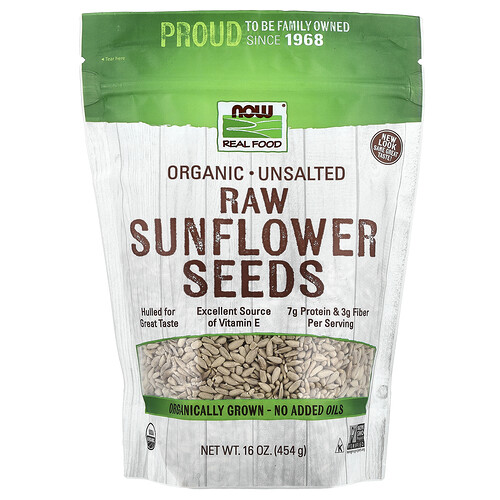
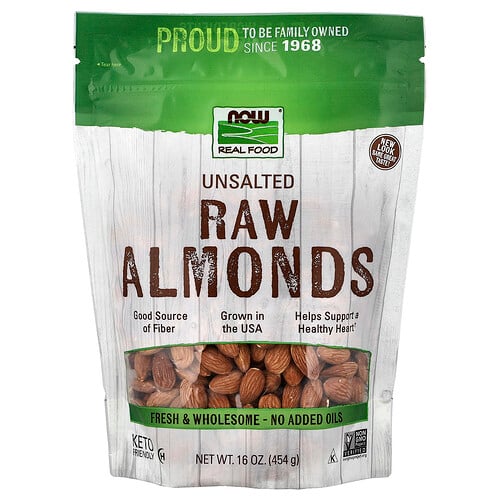
- Nuts & Seeds: Almonds and sunflower seeds are packed with Vitamin E—your skin’s best friend.
- Dark Chocolate: Rich in flavonoids, it helps protect your skin from oxidative damage.
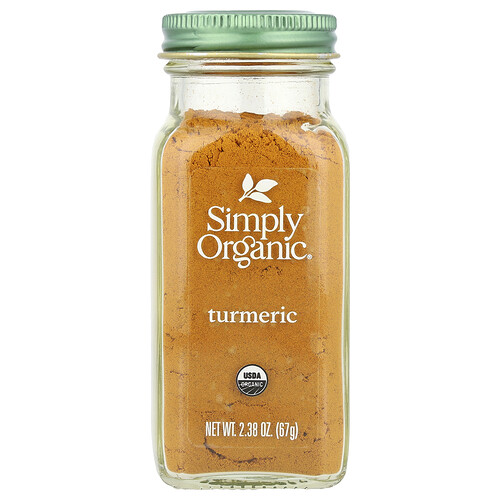
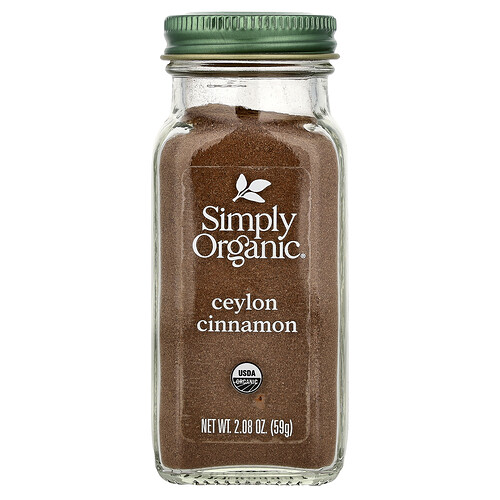
- Spices: Turmeric and cinnamon aren’t just delicious—they’ve got strong anti-inflammatory powers that help protect your skin, too.
RELATED POST: Discover the 8 Best Sources of Antioxidants for Healthy Skin
2. Apply Sunscreen Daily
Here’s the golden rule: sunscreen every single day. No exceptions. Using a broad-spectrum SPF of at least 30 is a must.
Sunscreen acts like a shield, blocking harmful UVA and UVB rays that trigger the formation of free radicals in your skin. This helps prevent premature aging, sun damage, and keeps your skin’s structure intact.
Even on cloudy days or when you’re staying indoors, UV rays can still sneak through. So, make sunscreen your daily habit.
Now sure which sunscreen to choose? The EltaMD UV Clear Broad-Spectrum SPF 46 and the Supergoop! Unseen Sunscreen – SPF 50 (available on Amazon) are great picks.
RELATED POST: 6 Ways to Protect Your Skin From Sun Damage
3. Adopt a Skin-Healthy Lifestyle
Taking care of your skin isn’t just about what you put on it—it’s about how you treat your body as a whole.
Here are some lifestyle changes that can help you protect your skin from free radicals:
get enough sleep
Aim for 7-9 hours of restful sleep each night. This is when your body works its magic, repairing and regenerating your skin.
manage stress
Stress can wreak havoc on your skin, so take time to unwind. Try yoga, meditation, or mindfulness to keep those stress levels in check.
stay hydrated
Water isn’t just good for your health—it’s great for your skin too. Staying hydrated helps flush out toxins and keeps your skin looking plump and radiant.
exercise regularly
Regular physical activity improves circulation, bringing more nutrients and oxygen to your skin cells. Plus, it helps reduce stress!
4. Avoid Smoking and Limit Alcohol
Cigarette smoke and too much alcohol are big offenders when it comes to oxidative stress.
Smoking introduces a ton of free radicals to your skin, while alcohol can dehydrate it and cause inflammation.
Cutting back on alcohol—and eliminating cigarettes—can make a huge difference in your skin’s clarity, tone, and texture.
If you need help to quit smoking, I highly recommend Allen Carr’s Easy Way to Stop Smoking, available on Bookshop.org. It helped me quit smoking for good.
book tip

Easy Way to Stop Smoking
By Allen Carr
Looking to quit smoking? Then this book is a must-read!
Did you know? When you buy from Bookshop.org, you help support independent bookstores.
5. Maintain a Consistent Skincare Routine
Consistency is key when it comes to skincare!
Cleansing, moisturizing, and exfoliating regularly helps your skin stay strong and resilient against environmental aggressors.
Find products that are tailored to your skin type and needs, and stick with them to keep your skin in its best shape.
When your skin is well-cared for, it’s better equipped to defend itself from free radicals and other stressors.
Final Thoughts
Free radicals are a part of life, but they don’t have to determine the future of your skin.
By understanding how oxidative stress affects your skin and taking proactive steps to minimize its impact, you can keep your complexion looking vibrant and youthful for years to come.
The secret is consistency—whether it’s in your diet, skincare routine, or overall lifestyle.
Remember: prevention is always more effective than repair.
Load up on antioxidants, protect your skin from the sun, and adopt healthy habits to shield your skin from the invisible threat of free radicals.
With a little effort, your skin will stay radiant and resilient for the long haul!
*This article is for informational purposes only and should not be considered medical or dermatological advice. Always consult with a dermatologist or qualified skincare professional for personalized recommendations tailored to your skin type and concerns.
Phaniendra, Alugoju et al. “Free radicals: properties, sources, targets, and their implication in various diseases.” Indian journal of clinical biochemistry : IJCB vol. 30,1 (2015): 11-26. doi:10.1007/s12291-014-0446-0.
Pickett K, Loveman E, Kalita N, et al. "Educational interventions to improve quality of life in people with chronic inflammatory skin diseases: systematic reviews of clinical effectiveness and cost-effectiveness." Southampton (UK): NIHR Journals Library; 2015 Oct. (Health Technology Assessment, No. 19.86.) Chapter 1, Background. Available from: https://www.ncbi.nlm.nih.gov/books/NBK321885/.
Poljšak, Borut, and Raja Dahmane. “Free radicals and extrinsic skin aging.” Dermatology research and practice vol. 2012 (2012): 135206. doi:10.1155/2012/135206. Adapted and used under the terms of the Creative Commons Attribution 4.0 International License.
Richards, Louisa. "What to know about antioxidants for skin." Medical News Today, medically reviewed by Joan Paul, MD, MPH, DTMH, Dermatology, 7 December 2022, https://www.medicalnewstoday.com/articles/antioxidants-for-skin#best-for-skin. Accessed 11 March 2024.
Stanborough, Rebecca Joy, MFA. "What to Know About Your Skin Barrier and How to Protect It." Healthline, medically reviewed by Reema Patel, MPA, PA-C, updated on August 31, 2022, https://www.healthline.com/health/skin-barrier. Accessed 11 March 2024.

Malin, co-founder of Courier Beauty, has a BA in Fashion Marketing and a PG certificate in Fashion & Luxury Goods Management. She’s passionate about skin health through nutrition and creates content focused on radiant skin and holistic wellness.