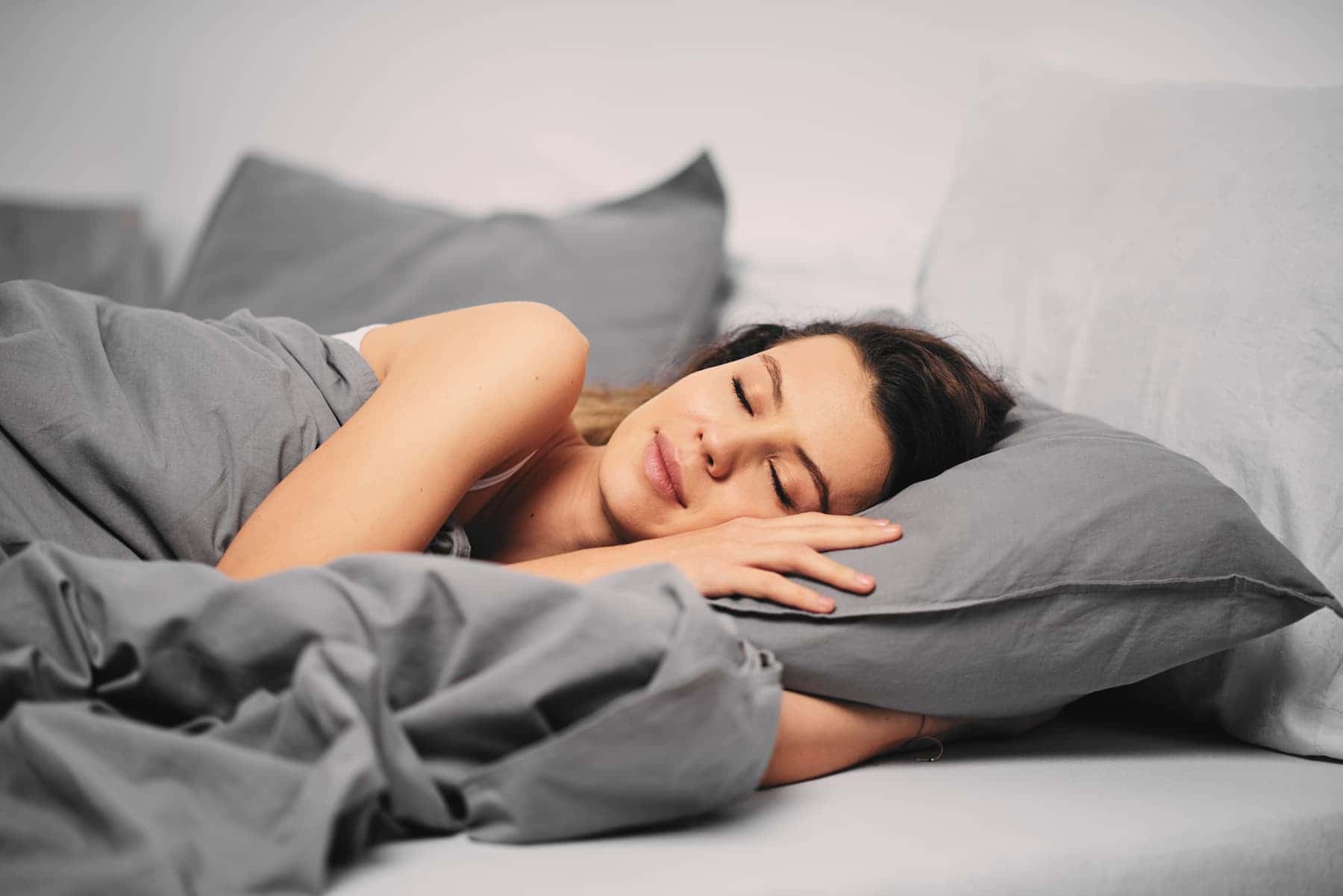
What Beauty Sleep Really Means—and How to Maximize Its Benefits
We’ve all heard someone say they need their beauty sleep—usually with a laugh, as if it’s just an excuse to crawl into bed early.
But here’s the thing: there’s actually more to the phrase than just a playful saying. The real beauty sleep meaning goes beyond vanity—it’s about how rest can directly impact how you look and how you feel.
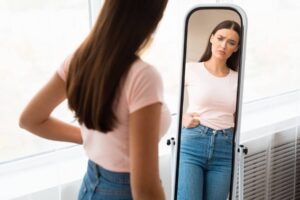
Think about it: have you ever woken up after a night of tossing and turning, only to find puffy eyes, dull skin, or that “I-need-coffee-now” kind of vibe staring back at you in the mirror?
Now, imagine waking up after a full, restful night of sleep—your eyes are brighter, your skin looks healthier, and there’s an energy that practically glows.
So yes—sleep really can be a secret beauty booster.
In this article, we’ll unpack what beauty sleep really means, dive into the science behind it, and share simple strategies to help you maximize its benefits.
Ready to wake up looking and feeling your best? Let’s get into it!
This post contains affiliate links, which means we may earn a commission if you purchase through our links—at no extra cost to you. As an Amazon Associate we earn from qualifying purchases. We only recommend products we use or trust. Learn more about affiliate marketing or read our full disclosure.
The Science Behind Beauty Sleep
We’ve all heard the term beauty sleep, but what does it actually mean when we break it down?
At its core, it’s the idea that a good night’s rest can work wonders for how we look and feel. While the phrase has often been used jokingly or as an excuse to hit snooze, there’s solid science behind it.
Found this helpful? Pin it for later so you can come back anytime.

Sleep isn’t just a luxury—it’s essential for keeping your skin glowing, your eyes bright, and your whole vibe looking fresh.
So, what’s really going on when you sleep?
Let’s dive into the science behind beauty sleep and see why it’s not just an old myth.
1. Sleep and Skin Health
When it comes to how sleep affects our appearance, skin health is one of the most obvious—and immediate—ways we notice a difference. After all, your skin is your body’s largest organ, and it doesn’t exactly hide how you’re feeling.
Ever notice how a rough night’s sleep seems to show up on your face the next morning?
That’s because sleep (or lack of it) has a direct impact on your skin.
Here are some of the ways poor sleep shows up on your face:
Dull skin
If you’re not getting enough shut-eye, your skin might look lifeless—that’s because sleep deprivation messes with circulation and oxygen flow, leading to a lackluster complexion.
In one study, women who slept well had healthier-looking skin, recovered faster from sun exposure, and even rated themselves as more attractive than poor sleepers.
Lack of sleep doesn’t just make your skin look dull. When it’s chronic, it can also fast-forward the clock on how quickly your skin shows age.
increased wrinkles & fine lines
Sleep plays a major role in collagen production. When you’re sleep-deprived, your body breaks down more collagen, the protein that keeps skin firm and elastic.
The result?
Wrinkles and sagging skin.
Did You Know?
Research shows that hydrolyzed collagen supplements can improve skin elasticity, hydration, and even reduce wrinkles in as little as four weeks. But here’s the catch: poor sleep may limit those benefits.
To boost your collagen levels, consider adding a high-quality supplement to your routine. Collagen Peptides, Unflavored by Sports Research (available on iHerb.com) is a great option for improving skin elasticity and overall skin health.
Just remember—prioritize quality sleep for maximum results!
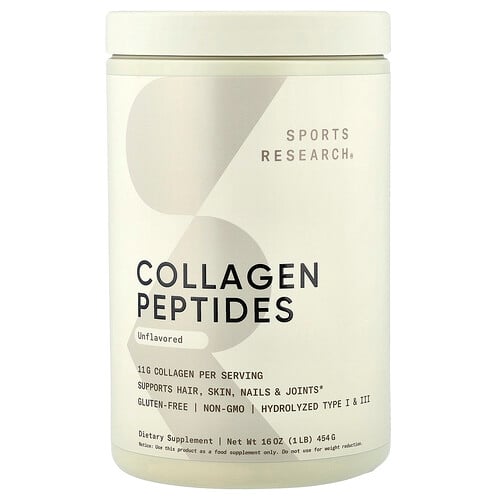
Sports Research, Collagen Peptides, Unflavored, 1 lb (454 g)
under-eye bags
You know that tired, puffy look?
That’s a direct result of fluid retention from poor sleep. The dark circles and puffiness around your eyes are signs your body isn’t resting properly.
acne flare-ups
If you’ve noticed more breakouts lately, poor sleep could be to blame. Lack of rest messes with your hormones, which can trigger acne or make existing breakouts worse.
But when you give your body the sleep it craves, things start to change.
Your skin cells regenerate, collagen production gets a boost, and inflammation calms down, which allows your skin to repair and recover.
It’s no wonder we often hear people say they “look better” after a good night’s sleep—it’s like your skin hits the refresh button while you rest.
What Does Research Say?
A study found that adults with poor sleep quality were more likely to have worse acne. Sleep problems are common—affecting about one-third of U.S. adults—and they don’t just impact your overall health, they may also be showing up on your skin.
2. The Role of Hormones in Sleep
Sleep isn’t just a time for your skin to hit “refresh”—it’s also when your body balances out key hormones that influence everything from your mood to your complexion.
Believe it or not, your hormones play a huge part in how your skin looks and feels.
Here’s how some of the most important ones affect your beauty sleep:
growth hormone
When you’re in deep sleep, your body releases growth hormone, which is a total game-changer for cell repair and regeneration.
This hormone helps rebuild damaged tissue, promoting smoother, younger-looking skin. Think of it like your body’s natural repair crew, working while you’re asleep.
Did You Know?
In one study, researchers found that the biggest surge of growth hormone happens right when you enter deep sleep—and if your sleep is delayed or disrupted, that repair peak is delayed too.
In other words, missing out on quality sleep literally robs your skin of its nightly repair session.
To support hormonal balance and improve your sleep quality, consider sipping on a calming cup of Remedy & Restore Herbal Tea for Hormone Balance (available on Amazon) before bed.
This soothing tea is crafted to help regulate hormones naturally and support overall well-being, so you can wake up feeling rejuvenated and ready to glow!

Remedy & Restore Herbal Tea for Hormone Balance – Natural Menstrual Cycle Support, Spearmint Flavor, Loose Leaves, 1 Count
cortisol
Known as the “stress hormone,” cortisol plays a big role in how your skin looks and feels.
When your sleep is off, your cortisol rhythm gets disrupted. Sometimes levels run too high, fueling inflammation and breakouts; other times, your morning peak gets blunted, leaving your body stressed and out of sync.
Either way, your skin pays the price. High or unbalanced cortisol can weaken your skin’s barrier, slow down healing, and trigger issues like acne, wrinkles, or irritation.
Research shows that even just one night without sleep can throw cortisol off balance and ramp up inflammation in the body. That means your skin starts feeling the stress almost immediately.
melatonin
You might already know melatonin as the hormone that helps you fall asleep, but it does more than just regulate your sleep cycle.
Melatonin is also a powerful antioxidant that protects your skin from environmental stressors like UV rays and pollution. It’s like an invisible shield that keeps your skin looking youthful and glowing.
Did You Know?
Research shows that skin actually has its own melatonin system, and melatonin production decreases with age. Topical melatonin has been shown to improve signs of aging, support wound healing, and even help manage certain skin conditions.
In other words, good sleep—and balanced melatonin—helps your skin repair, regenerate, and stay radiant.
To help regulate your melatonin levels and enhance your sleep quality, consider adding NOW Foods, Melatonin to your nighttime routine. It’s a natural way to promote restful sleep and support your skin’s repair process while you rest.
Note: As with any supplement, it’s always a good idea to consult with a healthcare provider before adding melatonin to your routine.
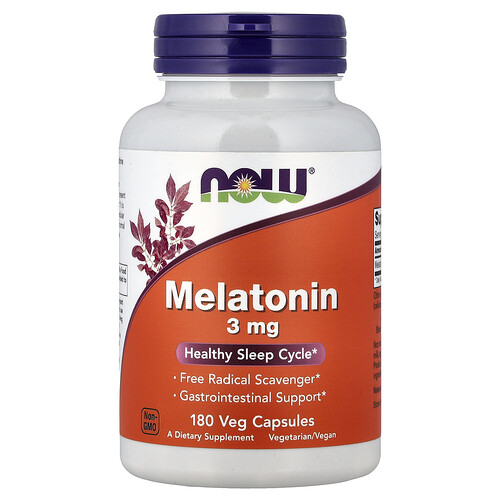
NOW Foods, Melatonin, 3 mg, 180 Veg Capsules
Found this helpful? Pin it for later so you can come back anytime.
3. Sleep and Cellular Repair
When you’re sleeping, your body is busy doing some serious behind-the-scenes work. While you’re getting that much-needed rest, your body is hard at work repairing DNA, boosting your immune system, and regenerating tissue.
For your skin, this means your cells are in full-on repair mode, renewing and healing themselves as you sleep.
Research shows that even just partial sleep loss can increase DNA and cellular damage, while recovery sleep restores balance and repairs that damage.
A study on sleep-deprived animals found that total sleep loss caused significant damage to DNA in organs including the liver, lungs, and intestines.
However, after just two days of proper sleep, much of this damage was repaired—highlighting the power of recovery sleep for cellular health.
That’s why your complexion tends to look brighter, more refreshed, and healthier after a good night’s rest. Sleep gives your skin the chance to repair, rebuild, and rejuvenate from the inside out.
RELATED POST: 9 Benefits of Beauty Sleep: More than Just a Good Night’s Sleep
4. Sleep and Blood Flow
Healthy, glowing skin starts with good circulation—and guess what?
Sleep is one of the best ways to keep your blood flowing smoothly. During rest, your body works to deliver oxygen and nutrients to your skin cells, supporting repair, regeneration, and that radiant glow we all crave.
Research shows that sleep helps regulate skin physiology, including blood flow, temperature, and barrier function. Disrupted sleep can impair circulation and water retention, making skin look tired and less vibrant.
In other words, your skin relies on sleep to stay healthy from the inside out.
The Impact of Sleep Deprivation on Beauty
If you’re someone who regularly skimp on sleep, you’ve probably noticed a few telltale signs showing up on your face and skin.
Unfortunately, the effects of sleep deprivation don’t just make you feel tired—they can also take a serious toll on your beauty.
Let’s break down some of the most common (and less-than-appealing) ways that lack of sleep shows up on your skin:
1. Dark Circles and Puffy Eyes
The skin under your eyes is super thin and delicate, which makes it especially vulnerable to the effects of poor sleep.
When you don’t get enough rest, the blood vessels beneath your eyes can dilate, leading to those dark, shadowy circles that make you look more tired than you feel.
Add to that the fact that sleep deprivation causes fluid retention, and you’ve got puffiness that can make your eyes look swollen and heavy.
To target those stubborn dark circles and puffiness, consider SkinMedica Instant Bright Eye Cream, available on Amazon. This eye cream is designed to brighten and hydrate the delicate under-eye area, helping to reduce puffiness and restore a refreshed, well-rested look.
But remember, while eye creams can help, the best solution is always a good night’s sleep. So make sure you’re prioritizing rest to really see the benefits!
2. Increased Wrinkles and Fine Lines
When you don’t get enough sleep on a regular basis, your body struggles to produce collagen, the protein that keeps your skin firm and elastic.
Without it, wrinkles and fine lines start to appear more pronounced, giving your skin an older, more tired look.
Sleep is crucial for skin repair and regeneration, so without adequate rest, your skin’s natural healing process slows down, speeding up the signs of aging.
RELATED POST: Understanding the Aging Process of Skin & Helpful Tips
3. Dry and Dull Skin
Sleep is key to keeping your body—and your skin—hydrated. When you don’t get enough rest, your skin can quickly become dry, flaky, and lackluster.
Plus, dehydration can leave your skin more sensitive, making it prone to irritation and redness.
So, if your skin’s looking a little tired and parched, it might be your body telling you it’s time to catch up on sleep.
To boost your skin’s hydration and restore its natural glow, consider SkinCeuticals Triple Lipid Restore. This rich, rejuvenating cream is designed to improve skin texture and provide deep hydration, helping your skin feel more nourished and revitalized.
But don’t forget: while great products help, the best way to keep your skin looking its best is always by getting that much-needed rest.
4. Acne Breakouts
When you don’t get enough sleep, your hormones go out of whack—especially cortisol, the stress hormone.
Elevated cortisol levels can ramp up the production of sebum (skin oil), which clogs your pores and leads to those annoying acne breakouts.
So, if you’ve noticed more blemishes popping up, your lack of sleep might be the culprit.
To help keep your skin clear, consider adding iS Clinical Cleansing Complex, available on Amazon, to your routine. This gentle yet effective cleanser helps to remove excess oil, prevent clogged pores, and keep your skin feeling fresh and clean—while you work on getting that beauty sleep!
RELATED POST: The Powerful Role of Zinc for Clear Skin
How to Maximize the Beauty Benefits of Sleep
Now that we’ve dug into the science behind beauty sleep, it’s time to focus on how you can make the most of your nightly rest to keep your skin (and your whole look) at its best.
After all, it’s not just about how long you sleep—it’s about how you can optimize it.
Here are some simple, actionable tips to help you get the most beauty benefits from your sleep:
1. Aim for 7-9 Hours of Sleep per Night
The first step to unlocking the full beauty benefits of sleep is making sure you’re getting enough of it.
The National Sleep Foundation suggests aiming for 7-9 hours of sleep each night to keep your body—and your skin—functioning at its best.
But it’s not just about the quantity of sleep; quality matters too. Uninterrupted, restful sleep is key to letting your body repair, regenerate, and reap all those skin-boosting benefits.
2. Develop a Consistent Sleep Schedule
Sticking to a regular sleep schedule is one of the best things you can do for your beauty sleep.
Going to bed and waking up at the same time every day helps regulate your body’s natural circadian rhythm, which can improve the quality of your sleep.
When your body gets into a consistent routine, it knows when it’s time to kick into restorative mode, giving your skin a better chance to regenerate and helping you wake up feeling—and looking—your best.
To make winding down even easier, try sipping on a warm cup of Organic Chamomile & Lavender tea by Traditional Medicinals, available on iHerb.com.
The calming properties of lavender and chamomile can help you relax and prepare for a restful night’s sleep, setting the stage for the best beauty sleep possible.
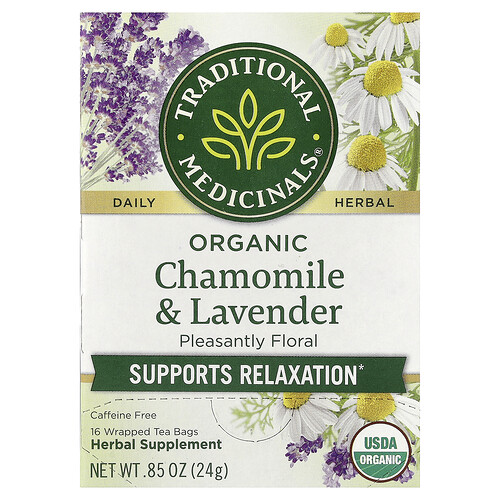
Traditional Medicinals, Organic Chamomile & Lavender, Caffeine Free, 16 Wrapped Tea Bags, 0.85 oz (24 g)
3. Create an Ideal Sleep Environment
Your sleep environment can make or break your beauty sleep. If your room’s not set up for rest, it can seriously impact the quality of your sleep—and your skin.
Here are a few simple tips to turn your bedroom into the ultimate beauty sleep sanctuary:
keep it cool
The perfect sleep temperature is between 60-67°F (15-19°C). A cooler room helps your body drop into a deeper, more restful sleep.
cut the noise and light
Blackout curtains and a white noise machine can work wonders in blocking out distractions, helping you fall asleep faster and stay asleep longer.
To take your sleep environment to the next level, consider adding the SNOOZ Smart White Noise Sound Machine (available on Amazon) to your bedroom. Its high-quality sound helps mask disruptive noises, creating a calm and consistent environment that supports deeper, more restful sleep.

SNOOZ Smart White Noise Sound Machine – Real Fan Inside for Non-Looping White Noise, Sleep Aid for Adults, Travel, Sleeping, Bedroom, Portable, Baby Registry…
invest in a comfy mattress and pillows
A good mattress and supportive pillows are key to getting deep, restorative sleep. When you’re comfortable, your body can focus on regenerating your skin instead of tossing and turning.
4. Stay Hydrated Throughout the Day
Staying hydrated is one of the simplest ways to keep your skin looking fresh and vibrant. Dehydrated skin tends to look dull, and it can make wrinkles and fine lines more noticeable.
So, be sure to drink plenty of water throughout the day—this helps keep your skin hydrated while you sleep, allowing it to stay plump and glowing overnight.
A simple way to stay on track is with a Hydro Flask water bottle (available on Amazon). Having water within reach makes it easier to sip consistently, keeping your body and skin well-hydrated all day long.

Hydro Flask Water Bottle – Insulated Stainless Steel – Wide Straw Lid, Non Spill, Leakproof in 32 Oz Trillium Pink
RELATED POST: Why Drinking Water is So Important a for Healthy Skin
5. Implement a Nighttime Skincare Routine
Your skin works overtime while you sleep, so why not make the most of it with a solid nighttime skincare routine?
The right products can help boost skin regeneration, ensuring you wake up with a glowing complexion.
Here are a few ingredients to look for:
retinol
This form of Vitamin A helps speed up skin cell turnover, reducing wrinkles and giving your skin that smoother, younger look.
To support your nighttime skincare routine, consider SkinMedica Age Defense Retinol Complex .25, available on Amazon. This retinol treatment helps promote skin renewal and reduce visible signs of aging, so you can wake up with a refreshed, radiant complexion.
hyaluronic acid
A hydration powerhouse, hyaluronic acid draws moisture into your skin, helping it stay plump and hydrated overnight.
For an extra hydration boost, try PCA SKIN Hyaluronic Acid Boosting Serum, available on Amazon. This serum helps to enhance moisture retention and support your skin’s natural barrier, leaving your skin feeling smooth and plump by morning.
peptides
These little guys are key for boosting collagen production, which improves skin firmness and elasticity—perfect for keeping your skin looking youthful.
A good skincare routine before bed sets the stage for maximum skin repair, so you can wake up with your best skin.
To maximize the benefits of peptides, try Medik8 Liquid Peptides Serum, available on Amazon. This serum works to support collagen synthesis, improving skin elasticity and helping you wake up with firmer, smoother skin.
6. Avoid Excessive Alcohol and Caffeine Before Bed
While it might be tempting to wind down with a glass of wine or a late-night coffee, both alcohol and caffeine can seriously mess with your sleep quality.
Alcohol may help you fall asleep faster, but it disrupts the later stages of sleep—the ones where your body does the most repair work.
Caffeine, of course, can keep you wide awake, throwing off your sleep cycle altogether.
To get the most out of your beauty sleep, try to cut back on both in the hours leading up to bedtime.
RELATED POST: 10 External Factors That Cause Skin Aging and How to Slow It Down
7. Manage Stress
Stress isn’t just a mood killer—it’s also a major disruptor of sleep and a big contributor to skin issues.
Some people are more sensitive to stress than others. Personally, I can sleep soundly no matter what’s going on, but my sister has trouble staying asleep when she’s stressed.
This difference is called sleep reactivity—it explains why stress impacts sleep (and ultimately skin) differently from person to person.
High sleep reactivity can increase cortisol levels, worsen inflammation, and make breakouts or signs of aging more likely.
Did You Know?
Research shows that high sleep reactivity—how strongly your sleep is affected by stress—can predict future insomnia, mental health challenges, and even shift-work sleep problems.
That’s why managing stress is so important.
To unwind and de-stress before bed, try spraying this works Deep Sleep Pillow Spray (available on Amazon) on your pillow. The calming blend of lavender and chamomile helps promote relaxation, so you can fall asleep easier and wake up refreshed, with your skin in recovery mode.
RELATED POST: 7 Ways Stress Destroys Your Collagen Levels And How to Stop It
8. Sleep on Your Back
Believe it or not, how you sleep can make a big difference for your skin.
Research shows that wrinkles can form where “fault lines” develop in the skin—not just from facial expressions but also from mechanical compression during sleep.
Side and stomach sleeping can create pressure, shear, and stress forces on your face that contribute to these lines over time.
If you’re a side or stomach sleeper, no worries—just consider switching to a Slip silk pillowcase (available on Amazon). Silk is much gentler on your skin than cotton, helping to reduce friction and prevent those pesky wrinkles from forming.
Final Thoughts
Beauty sleep isn’t just some catchy phrase—it’s based in real science.
Sleep plays a crucial role in keeping your skin healthy and youthful, and the benefits go beyond just your appearance. Sleep is essential for your overall health and well-being, too.
By prioritizing quality rest, developing good sleep habits, and pairing it with a solid skincare routine, you can truly unlock the full potential of beauty sleep.
So, next time you’re tempted to stay up late for work, socializing, or endless scrolling, remember: your skin (and your health) will thank you for getting the sleep it needs.
After all, a good night’s sleep is one of the best beauty treatments out there—no prescription needed.
*This article is for informational purposes only and should not be considered medical or dermatological advice. Always consult with a dermatologist or qualified skincare professional for personalized recommendations tailored to your skin type and concerns.
Anson, Goesel, Michael A. C. Kane, and Val Lambros. "Sleep Wrinkles: Facial Aging and Facial Distortion During Sleep." Aesthetic Surgery Journal, vol. 36, no. 8, Sept. 2016, pp. 931–940, https://doi.org/10.1093/asj/sjw074.
Everson, Carol A et al. “Cell injury and repair resulting from sleep loss and sleep recovery in laboratory rats.” Sleep vol. 37,12 1929-40. 1 Dec. 2014, doi:10.5665/sleep.4244. Abstract only.
"How Much Sleep Do You Really Need?" National Sleep Foundation, 1 Oct. 2020, https://www.thensf.org/how-many-hours-of-sleep-do-you-really-need/. Accessed 17 September 2025.
Kalmbach, David A et al. “The impact of stress on sleep: Pathogenic sleep reactivity as a vulnerability to insomnia and circadian disorders.” Journal of sleep research vol. 27,6 (2018): e12710. doi:10.1111/jsr.12710. Abstract only.
Oyetakin-White, P et al. “Does poor sleep quality affect skin ageing?.” Clinical and experimental dermatology vol. 40,1 (2015): 17-22. doi:10.1111/ced.12455.
Rusanova, Iryna et al. “Protective Effects of Melatonin on the Skin: Future Perspectives.” International journal of molecular sciences vol. 20,19 4948. 8 Oct. 2019, doi:10.3390/ijms20194948. Adapted and used under the terms of the Creative Commons Attribution 4.0 International License.
Schrom, Kory P et al. “Acne Severity and Sleep Quality in Adults.” Clocks & sleep vol. 1,4 510-516. 6 Dec. 2019, doi:10.3390/clockssleep1040039. Adapted and used under the terms of the Creative Commons Attribution 4.0 International License.
Takahashi, Y et al. “Growth hormone secretion during sleep.” The Journal of clinical investigation vol. 47,9 (1968): 2079-90. doi:10.1172/JCI105893. Abstract only.
Thompson, Kayla I et al. “Acute sleep deprivation disrupts emotion, cognition, inflammation, and cortisol in young healthy adults.” Frontiers in behavioral neuroscience vol. 16 945661. 23 Sep. 2022, doi:10.3389/fnbeh.2022.945661. Adapted and used under the terms of the Creative Commons Attribution 4.0 International License.
Xerfan, Ellen M S et al. “Can good sleep quality enhance the benefits of oral collagen supplementation in the prevention of skin aging? A brief report.” Archives of dermatological research vol. 317,1 340. 6 Feb. 2025, doi:10.1007/s00403-025-03860-5. Abstract only.

Malin, co-founder of Courier Beauty, has a BA in Fashion Marketing and a PG certificate in Fashion & Luxury Goods Management. She’s passionate about skin health through nutrition and creates content focused on radiant skin and holistic wellness.