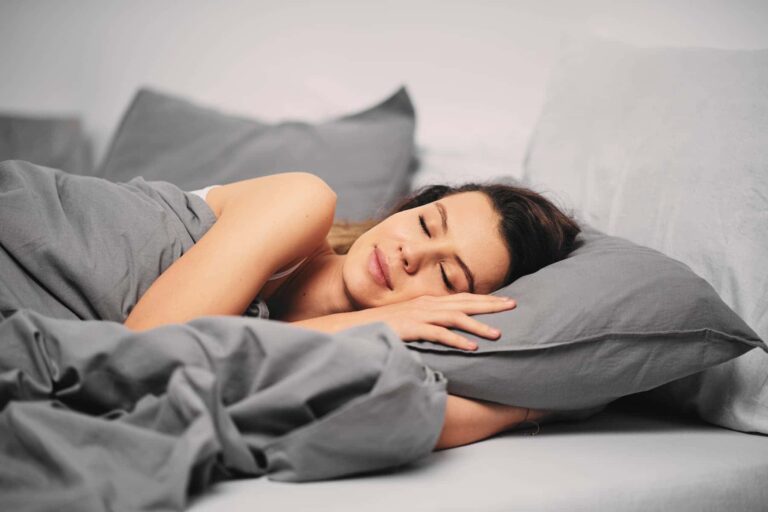


9 Benefits of Beauty Sleep: More than Just a Good Night’s Sleep
In our fast-paced, always-on world, sleep can feel like a luxury. But “beauty sleep” isn’t just a catchy phrase—it’s real, and it matters.
While you rest, your body goes into repair mode, boosting everything from skin health and mood to memory and immunity. It’s not just about waking up looking refreshed—it’s about waking up renewed.
Curious what really happens when you hit the pillow?
Let’s break down the science behind why sleep might just be your best beauty ritual yet.
This post contains affiliate links, which means we may earn a commission if you purchase through our links—at no extra cost to you. As an Amazon Associate we earn from qualifying purchases. We only recommend products we use or trust. Learn more about affiliate marketing or read our full disclosure.
What Is Beauty Sleep?
You’ve probably said it before—maybe after a late night and an early morning: “Ugh, I need my beauty sleep.”
But here’s the thing: beauty sleep isn’t just a cute saying. It’s an actual, biological reset button your body hits every night (or should, anyway).
Found this helpful? Pin it for later so you can come back anytime.

And the beauty sleep benefits? They’re kind of amazing.
When you slip into deep, quality sleep, your body shifts into full-on recovery mode. We’re talking cell repair, hormone balancing, skin healing—the whole works.
It’s during this time that your body does some of its most important behind-the-scenes beauty and health magic.
But here’s the kicker: not all sleep is created equal. A quick nap or tossing and turning all night won’t cut it.
Real beauty sleep happens when you consistently get 7 to 9 hours of restful, uninterrupted sleep. That’s when growth hormones kick in, blood flow to your skin increases, and systems like your immune and nervous system get a proper reset.
The result?
- Healthier, more radiant skin
- Sharper focus
- Better mood
- More energy
And yes—that natural, just-woke-up-like-this glow that no highlighter can fake.
So if you’ve been thinking of beauty sleep as optional, it’s time for a reframe. It’s one of the most powerful (and totally free) wellness tools you have.
Let’s dive into exactly what those beauty sleep benefits are—and why they’re worth prioritizing tonight.
1. Skin Repair and Regeneration
The first real beauty sleep benefit most of us notice is the impact it has on our skin. When you’re asleep, your body kicks into high gear, entering a restorative phase where healing and regeneration happen at full speed.
And yes, your skin—your body’s largest organ—gets its fair share of attention.
Here’s how it works: Sleep supports collagen production, which is the protein that keeps your skin elastic, smooth, and youthful.
RELATED POST: 4 Easy Ways to Boost Collagen Naturally for Youthful Skin
So, when you’re clocking in those solid hours of sleep, your skin is basically getting its own overnight treatment, helping to fight signs of aging and maintain that plump, fresh look.
But that’s not all. While you’re off in dreamland, blood flow to your skin increases, delivering a fresh batch of oxygen and nutrients.
This is crucial for repairing damage from things like UV rays, pollution, and free radicals—stuff that can stress your skin out during the day.
Plus, the improved circulation helps flush out toxins that have been hanging around, leaving your skin looking so much brighter and more refreshed when you wake up.
And here’s something we don’t always think about: Sleep also helps keep your skin’s hydration in check.
When you don’t get enough rest, dehydration can creep in, leaving your skin looking dry, dull, and showing more fine lines than you’d like.
But with quality beauty sleep? Your skin retains moisture better, giving you that healthy, dewy glow we all love.
2. Reduction of Dark Circles and Puffiness
If you’ve ever had a sleepless night (or two), you’re probably familiar with the all-too-obvious aftermath: dark circles and puffiness around your eyes. The skin under your eyes is super delicate, and when you’re tired or dehydrated, it shows.
Here’s what’s happening: When you don’t get enough sleep, your body produces more cortisol, the stress hormone.
Higher cortisol levels can cause the blood vessels around your eyes to widen, which is what leads to those stubborn dark circles.
Not exactly the look you’re going for, right?
But that’s not all. Lack of sleep also triggers fluid retention, which makes the under-eye area puffier.
The good news?
Deep, restorative sleep is like a reset button for this. It allows your body to properly drain excess fluid, which means those under-eye bags look a lot less noticeable when you wake up.
And while you’re catching those Zzzs, your body is also working hard to repair itself. This includes combating the effects of aging and environmental stress, which helps smooth out fine lines and wrinkles over time.
So, getting enough sleep does more than just make you look less tired—it helps to turn back the clock on those pesky under-eye problems, too.
3. Hormonal Balance and Healthy Skin
You probably know that sleep affects your mood and energy, but did you know it also plays a huge role in balancing your hormones—especially those that impact your skin?
When you don’t get enough rest, your hormone levels can go haywire, leading to all sorts of skin issues like acne, dryness, and increased sensitivity.
Take cortisol, for example. When you’re sleep-deprived, your body cranks up production of this stress hormone.
Too much cortisol leads to inflammation, which can trigger breakouts or flare-ups of conditions like eczema. Not exactly the glow-up you were hoping for.
But here’s the good news: When you get quality sleep, your body is able to balance out these stress hormones and boost the production of others that are much better for your skin.
One of the key players here is human growth hormone (HGH), which rises during deep sleep.
HGH helps repair tissues and encourages the growth of new skin cells, so getting enough rest is like a natural boost for keeping your skin youthful and healthy.
And let’s not forget about melatonin, the “sleep hormone.” It’s not just for helping you drift off—it’s also an antioxidant powerhouse.
Melatonin helps protect your skin from free radicals and UV damage, making it your skin’s nighttime defense mechanism.
Plus, it regulates your skin’s circadian rhythm, ensuring that it’s in full-on repair and regeneration mode while you sleep.
4. Mental Health and Stress Reduction
We often think of sleep as just a way to recharge physically, but the truth is, it’s just as crucial for your mental health.
If you’re not getting enough sleep, it’s not just your mood that takes a hit—it can also show up on your skin.
Chronic sleep deprivation is a major stress trigger. And when you’re stressed, your body pumps out cortisol, the stress hormone, which can lead to inflammation and make skin issues like acne or eczema worse.
So, if you’re wondering why your skin’s acting up during a stressful week, lack of sleep could be a big factor.
RELATED POST: The Connection Between Stress and Reduced Collagen Levels
Here’s the silver lining, though: Sleep is when your brain does some serious emotional and mental housekeeping.
It processes all your feelings from the day and consolidates memories, which means a solid night’s rest helps you handle stress better the next day.
When you’re well-rested, the areas of your brain that control emotions and decision-making are more in balance, making it easier to stay calm and collected—even when life gets chaotic.
A better mood and less stress?
That’s not just good for your mind—it’s good for your skin, too. Less cortisol means fewer breakouts, less irritation, and more of that calm, confident glow you can’t fake.
5. Boosting Immune System Function
Sleep isn’t just a beauty treatment for your skin—it’s also your body’s chance to supercharge its immune system.
While you’re catching those Zzzs, your body produces cytokines, which are proteins that help fight off infections and reduce inflammation. This immune-boosting effect extends to your skin, too, helping to keep inflammatory skin conditions like acne, psoriasis, and eczema in check.
But it doesn’t stop there. When you’re well-rested, your body is better equipped to heal—whether it’s a cut, abrasion, or any other skin injury.
So, if you’ve got a scrape or a small wound, your body will work faster and more efficiently to repair it while you sleep. This is especially important because your skin is your body’s first line of defense.
A strong immune system ensures that your skin can maintain its protective barrier, reducing the risk of infection or irritation.
RELATED POST: Understanding the Role of Acid Mantle for Great Skin
In short, good sleep means a stronger immune system, and a stronger immune system means healthier, more resilient skin.
6. Improved Cognitive Function and Focus
Beauty sleep isn’t just about looking refreshed—it’s about feeling sharp and focused, too.
Sleep plays a huge role in brain health, helping with memory consolidation, learning, and problem-solving.
Found this helpful? Pin it for later so you can come back anytime.

When you don’t get enough sleep, your brain doesn’t get the chance to properly recharge, which can lead to:
- Slower reaction times
- Trouble concentrating
- Poor decision-making
Here’s something cool: When we sleep, our brains go into cleanup mode.
Through a process called the glymphatic system, the brain clears out waste products that accumulate during the day. This helps reduce brain fog and boosts mental clarity, leaving you feeling more alert and on top of things.
The bottom line?
The more well-rested you are, the sharper and more focused you’ll feel.
That translates into better productivity, clearer thinking, and improved mental performance—all of which contribute to your overall well-being (and your beauty routine!).
7. Weight Management and Metabolic Health
Sleep isn’t just good for your skin—it’s also essential for managing your weight and keeping your metabolism in check.
When you’re sleep-deprived, your body’s hunger hormones can get out of balance.
- Ghrelin, a hormone that promotes hunger, may increase
- Leptin, a hormone involved in signaling fullness, may decrease
This imbalance can leave you feeling hungrier and craving all the wrong things, like those high-calorie, carb-loaded snacks.
But when you get enough quality sleep, it can help your body keep these hormones in check. This can make it easier to manage cravings and maintain a healthy weight.
Sleep also plays a key role in how your body processes food. A well-rested body is better at metabolizing what you eat, which contributes to overall metabolic health.
And why does this matter for your skin?
Because poor metabolism can lead to inflammation in the body, which can trigger skin flare-ups like acne or redness.
So, by getting enough sleep, you’re not just helping your waistline—you’re supporting your skin’s health too.
8. Cellular Repair and Anti-Aging Effects
One of the most powerful beauty sleep benefits is how it helps your body repair and regenerate on a cellular level.
During sleep, your body gets to work on fixing itself, which is essential for keeping your skin looking youthful and vibrant.
Deep sleep, in particular, is when the magic happens—your body ramps up its production of collagen and elastin, the proteins responsible for skin’s firmness and elasticity.
So, while you’re resting, your skin is basically getting a natural anti-aging boost.
But it’s not just about skin. Sleep also helps regulate your blood sugar levels and reduce oxidative stress—two factors that can speed up the aging process.
RELATED POST: Signs of Oxidative Stress on Skin & How to Reduce It
When you’re well-rested, your body has the time it needs to repair and regenerate skin cells that might otherwise be damaged by free radicals, UV exposure, or pollution.
The bottom line?
The more sleep you get, the better your skin can age. So, by prioritizing beauty sleep, you’re giving your skin the chance to stay firm, fresh, and glowing for longer.
9. Reduction of Inflammation and Skin Conditions
Chronic inflammation is at the root of many common skin problems, like:
- Acne
- Eczema
- Rosacea
And here’s where beauty sleep really shines: while you’re sleeping, your body works to regulate inflammation by balancing key markers like C-reactive protein (CRP).
When you get enough sleep, it helps reduce this inflammation, which means fewer skin flare-ups and clearer, healthier skin overall.
But it gets even better. Studies show that lack of sleep can actually make skin conditions like psoriasis and eczema worse.
When your body is sleep-deprived, the immune system gets a bit out of whack, becoming more sensitive and prone to flare-ups.
By restoring a healthy sleep routine, you’re giving your body the chance to bring inflammation under control—and this can make a noticeable difference in how your skin looks and feels.
So, the next time you’re tempted to skip a night of sleep, remember: your skin is counting on you to get that rest. Fewer flare-ups, less redness, and healthier skin are all part of the beauty sleep benefits.
Tip: If you have trouble falling asleep, you can try the calming This Works Deep Sleep Pillow Spray from Amazon.
Final Thoughts
Beauty sleep is definitely not just a myth. Its benefits go far beyond just looking good—it’s a game-changer for your mental, physical, and emotional health.
From promoting skin repair and regeneration to boosting your immune system, improving brain function, and managing stress, sleep is a powerful tool for maintaining overall wellness.
When you make sleep a priority, you’re not just giving your skin a chance to glow—you’re supporting your body’s ability to heal, regenerate, and thrive in every way.
So, the next time someone talks about beauty sleep, remember it’s about way more than looking fresh—it’s about feeling your absolute best.
To really get the most out of your beauty sleep, aim for 7-9 hours of restful sleep each night. Create a bedtime routine that helps you wind down, and make sure your sleep environment promotes deep, uninterrupted rest.
Trust me, you’ll notice the difference in your skin and feel the benefits throughout your entire body.
*This article is for informational purposes only and should not be considered medical or dermatological advice. Always consult with a dermatologist or qualified skincare professional for personalized recommendations tailored to your skin type and concerns.
Balikji, Jessica et al. “Insomnia Complaints and Perceived Immune Fitness in Young Adults with and without Self-Reported Impaired Wound Healing.” Medicina (Kaunas, Lithuania) vol. 58,8 1049. 4 Aug. 2022, doi:10.3390/medicina58081049. Adapted and used under the terms of the Creative Commons Attribution 4.0 International License.
Everson, Carol A et al. “Cell injury and repair resulting from sleep loss and sleep recovery in laboratory rats.” Sleep vol. 37,12 1929-40. 1 Dec. 2014, doi:10.5665/sleep.4244.
Oyetakin-White, P et al. “Does poor sleep quality affect skin ageing?.” Clinical and experimental dermatology vol. 40,1 (2015): 17-22. doi:10.1111/ced.12455.
Pulopulos, Matias M et al. “Relationship between Cortisol Changes during the Night and Subjective and Objective Sleep Quality in Healthy Older People.” International journal of environmental research and public health vol. 17,4 1264. 16 Feb. 2020, doi:10.3390/ijerph17041264. Adapted and used under the terms of the Creative Commons Attribution 4.0 International License.
Romera-Vilchez, Maria et al. “Impact of Exposome Factors on Epidermal Barrier Function in Patients with Obstructive Sleep Apnea Syndrome.” International journal of environmental research and public health vol. 19,2 659. 7 Jan. 2022, doi:10.3390/ijerph19020659. Adapted and used under the terms of the Creative Commons Attribution 4.0 International License.
Santos, Amanda B. dos et al. "Screen time is negatively associated with sleep quality and duration only in insufficiently active adolescents: A Brazilian cross-sectional school-based study." Preventive Medicine Reports, Volume 37, 2024,102579, ISSN 2211-3355, https://doi.org/10.1016/j.pmedr.2023.102579.Adapted and used under the terms of the Creative Commons Attribution 4.0 International License.
Schrom, Kory P et al. “Acne Severity and Sleep Quality in Adults.” Clocks & sleep vol. 1,4 510-516. 6 Dec. 2019, doi:10.3390/clockssleep1040039. Adapted and used under the terms of the Creative Commons Attribution 4.0 International License.

Linda, co-founder of Courier Beauty, holds a BA in Fashion Marketing, a PG certificate in Fashion & Luxury Goods Management, and a Diploma in Natural Health Nutrition & Diet. Inspired by photography, food, and travel, she loves holistic beauty and nourishing the skin naturally.