

The Hidden Dangers of Botox That No One Talks About
Let’s be honest—who doesn’t want to smooth out a few wrinkles or look a little more refreshed? Botox seems like the magic answer, right?
It’s quick, non-surgical, and gives you that polished, camera-ready look in no time.
But here’s the thing no one really tells you: behind that promise of youthful skin lies a much bigger story. And it’s not all smooth sailing.
The truth is, Botox is a powerful neurotoxin. Yes, a toxin. And while it’s marketed as a beauty miracle, the dangers of Botox are often brushed under the rug.
In this article, I want to pull back the curtain and talk to you—not as a doctor or a beauty expert, but as someone who’s curious and cautious—about what really goes on beneath the surface.
From its effects on your health and your brain to its surprising origins as a nerve agent, we’ll dig into the risks you probably haven’t heard about.
Because looking good shouldn’t come at the cost of your well-being.
Let’s get into it!
This post contains affiliate links, which means we may earn a commission if you purchase through our links—at no extra cost to you. As an Amazon Associate we earn from qualifying purchases. We only recommend products we use or trust. Learn more about affiliate marketing or read our full disclosure.
What Is Botox?
Botox is a neurotoxic protein derived from Clostridium botulinum, the same toxin responsible for botulism, a rare but serious form of food poisoning.
Before we get into the hidden dangers of Botox, let’s take a second to break down what it actually is—because it’s not just some magical wrinkle eraser.
Botox is made from a neurotoxic protein (yep, toxic) produced by a bacterium called Clostridium botulinum. That’s the same bacteria behind botulism, a rare but potentially deadly type of food poisoning.
Not exactly what you’d expect in a beauty treatment, is it?
Now, to be fair, Botox is used in super small, controlled doses—and yes, it is FDA-approved for both medical and cosmetic purposes.
But just because something is approved doesn’t automatically make it harmless. What Botox does is temporarily freeze your muscles.
So when you raise your eyebrows or smile, the muscles don’t move as much—meaning fewer lines and wrinkles show up. That’s what makes it such a go-to for people looking to smooth things out.
|
Common Cosmetic Uses of Botox |
Medical Uses of Botox |
|
Crow’s feet |
Chronic migraines |
|
Frown lines |
Excessive sweating (hyperhidrosis) |
|
Forehead wrinkles |
Overactive bladder |
The Soaring Popularity of Botox
Even with all the concerns swirling around, Botox’s popularity shows no signs of slowing down. In fact, it’s skyrocketing.
According to the American Society of Plastic Surgeons, Botox is still the number one non-surgical cosmetic procedure in the U.S.—by a long shot.
Between 2000 and 2020, Botox injections increased by a jaw-dropping 459%.
Yeah, you read that right.
Take a look at how the numbers have climbed:
|
Year |
Number of Botox Procedures |
|
9,480,949 |
|
|
8,736,591 |
|
|
2020 |
4,401,536 (pandemic dip) |
|
2019 |
5,043,057 |
|
2000 |
786,911 |
And just in 2020 alone:
- 2.5 million people aged 40–54 got Botox.
- Over 1 million individuals aged 55–69 opted for the treatment.
- Even 12,767 teenagers (yes, teenagers!) between 13 and 19 had Botox injections.
- And let’s not forget the guys—265,247 men (about 6% of all procedures) jumped on the Botox train
It’s not just for Hollywood elites anymore. Botox has gone mainstream—and it’s pulling in a younger and more diverse crowd than ever before.
But with this rise in popularity, the question remains:
Are the risks being overlooked?
RELATED POST: The Truth About Beauty Filters: How They Create Unrealistic Beauty Standards
What Are the Pros and Cons of Botox?
So, here’s the thing about Botox: one of its biggest selling points is also one of its biggest downsides—it’s temporary. Depending on your perspective, that can be great news or a total dealbreaker.
Let’s break it down:
Pros of Botox
- Quick Results – You’ll usually see smoother skin within a few days. It’s like hitting the “refresh” button on your face.
- Non-surgical – No scalpels, no stitches—just a few tiny injections and you’re on your way. Some people even get it done on their lunch break.
- Temporary Effects – If you don’t love the results, the effects wear off in 3–6 months. That gives you some freedom to experiment or stop altogether.
- Medical Benefits – Beyond beauty, Botox can help with things likechronic migraines, muscle spasms, overactive bladder, and excessive sweating. So, it’s not just about looks.
Cons of Botox
- It’s Still a Toxin – Let’s not sugarcoat it—Botox is derived from a neurotoxin. That means it works by paralyzing muscles. And yes, that’s exactly as serious as it sounds.
- Side Effects Happen – Bruising, headaches, drooping eyelids, uneven results—these are more common than people think. Some side effects can last longer than you’d expect.
- Repeat Treatments Needed – Botox isn’t permanent, so if you want to maintain the look, you’ll need to keep going back. That means time, money, and long-term exposure to the substance.
- Long-Term Impact? Still Unclear – While short-term effects are well-documented, the jury’s still out on what happens when you’ve been using Botox for years. That’s something worth thinking about.
The Hidden Risks & Side Effects of Botox
Sure, Botox can work wonders on wrinkles—but let’s be real: it’s not all smooth sailing. Beneath the surface, there are some risks and side effects that don’t get nearly enough attention.
So before you book that appointment, here’s what you really need to know.
1. Allergic Reactions
Yes, it’s rare—but it happens.
Some people have allergic responses to Botox , which can show up as:
- Rashes or itching
- Swelling in the face or neck
- Trouble breathing (in severe cases, this can be life-threatening)
If you’ve ever had a bad reaction to medication or injections before, it’s worth talking to your doctor first.
2. Bruising and Swelling
This is probably the most common one.
A little bruising or swelling around the injection site? Totally normal—but still inconvenient if you were hoping for that flawless, next-day look.
It usually fades in a few days.
3. Drooping Eyelids or Eyebrows
Botox needs to be placed just right. If it isn’t, you could end up with a droopy lid or one eyebrow doing its own thing. In some cases, it can even affect your vision.
4. Numbness or Tingling
That odd “pins and needles” feeling?
Some people report numbness or tingling near the treated area. It usually goes away, but it’s unsettling while it lasts.
5. Frozen Facial Expressions
Too much Botox = no expression.
You might look younger, but you could also end up looking like you’re constantly surprised—or just emotionally flat. It’s not exactly the vibe most people are going for.
6. Muscle Weakness & Shrinkage
Here’s one that doesn’t get mentioned enough: Botox works by relaxing muscles. But with repeated use, those muscles can actually weaken or shrink over time.
One study even found that people using Botox for migraines developed an “hourglass deformity” in their forehead due to muscle atrophy.
7. Skin Thinning
Starting Botox too young or using it too frequently can make your skin more fragile over time. It might stay smooth, but also end up thinner and more delicate.
8. Skin Discoloration or Uneven Texture
Some people notice slight discoloration or a wavy texture in areas where they’ve had frequent injections. It’s not super common, but it can happen.

Can Botox Affect Your Brain? Here’s What You Should Know
Botox might freeze your wrinkles—but could it be doing more than just that?
While it’s best known for smoothing out facial lines, some scientists are starting to ask a bigger question: Could Botox also be messing with your brain?
Now, to be clear—this isn’t about fear-mongering. The science is still evolving, and we don’t have all the answers yet. But it’s worth paying attention to what early research is suggesting.
Here are a few ways Botox might be influencing more than just your forehead:
1. Botox May Actually Change How Your Brain Works
We know Botox relaxes facial muscles—but what if it also relaxes your emotions?
Here’s where things get interesting (and a little unnerving): When certain muscles in your face—especially the forehead—are frozen, your brain receives less input from those expressions.
That might sound harmless, but it can actually mess with how you feel and how you connect with others.
Researchers have found that when Botox stops your face from fully expressing emotion, it can lead to:
- Changes in Emotional Processing – Your facial muscles send feedback to your brain that helps you feel emotions. When that feedback is muted, the emotional experience can feel a little… muted too.
- A Reduced Ability to Empathize – We unconsciously mirror and “read” other people’s expressions to understand what they’re feeling. If your face can’t respond naturally, it might get harder to pick up on those emotional cues.
- Blunted Emotional Responses – Some Botox users describe feeling emotionally flat or dulled—like their reactions are slower or less intense. It’s not just in their heads—this could be tied to real neurological changes in how the brain is receiving (or not receiving) emotional feedback.
2. Could Botox Mess With Your Memory or Focus?
Here’s something you probably haven’t heard in the consultation room: Some people who get Botox say they feel a bit… off mentally.
Not everyone experiences it, but those who do describe things like:
- Trouble Concentrating – This one comes up most often when Botox is injected into the forehead or brow area. People sometimes describe a “foggy” or mentally sluggish feeling—not enough to stop your day, but just enough to notice.
- Short-Term Memory Lapses – A few users have reported brief moments of forgetfulness or mental blanks—usually temporary, but still unsettling if you’re not expecting it.
- Mood Shifts – Because facial expressions and emotions are so deeply connected, interfering with that feedback loop could temporarily mess with how you feel.
Some people notice unexpected mood swings or a dip in emotional clarity after treatment.
3. Could Botox Cause Long-Term Changes to Brain Function?
Here’s a thought: If you keep getting Botox year after year, could it start to change the way your brain works?
Some researchers are worried that repeated Botox use could gradually impact how the brain processes emotions, social cues, and even memory.
The problem?
The Botox industry is a multi-billion-dollar business, so there’s not a whole lot of motivation to study—or talk about—the potential long-term risks.
In fact, it’s possible that the full extent of Botox’s impact on the brain is either not fully understood or actively downplayed.
Think about it: Botox paralyzes muscles. That’s how it works to smooth wrinkles and reduce lines.
But what happens when we paralyze facial muscles—the ones that help us express emotions, communicate, and even process what others are feeling?
It’s a little unsettling to think about, right?
We wouldn’t dream of paralyzing all the muscles in our body. So why are we so quick to do it to the ones that control our faces—and the signals we send to our brains?
While Botox may provide a quick fix for aging, we need to seriously think about the bigger picture—and whether the risks go deeper than just smoother skin.
Why is Botox So Popular?
Botox has exploded in popularity, becoming one of the most sought-after cosmetic treatments in recent years.
What started as a secret among the rich and famous is now a go-to option for anyone looking to refresh their look or fight the signs of aging.
So, what exactly has made Botox so popular today?
1. The Celebrity Effect
Let’s face it: Celebrities have played a massive role in Botox’s rise to fame.
From movie stars to socialites, many public figures have been upfront about their Botox treatments, and it’s helped to normalize the procedure.
As these stars reveal their youthful, age-defying looks, they’ve done more than just look fabulous—they’ve helped take the stigma out of Botox.
It’s no longer just a well-kept secret in Hollywood. The more celebrities speak openly about their Botox journeys, the more others feel comfortable exploring it for themselves.
2. Media and Social Media Influence
Beyond the red carpets, the media has played a huge role in making Botox mainstream. From magazine covers to TV shows, and of course, social media—Botox has become an everyday conversation.
It’s not just Hollywood anymore.
Social media platforms have created a space where everyday people can share their Botox experiences, leading to a surge in popularity.
With influencers and beauty bloggers posting their before-and-after photos, Botox has become part of the broader skincare and wellness dialogue.
And during the pandemic, as more people turned to social media for beauty tips, Botox found its way into the everyday skincare conversation even more.
RELATED POST: 5 Ways the Skincare Industry Changed Due to the Pandemic
The Rise of Preventative Botox for Younger People
A new trend is gaining serious traction: Preventative Botox, especially among people under 30.
While Botox was once seen as a fix for existing wrinkles, many young people are now turning to it as a way to prevent wrinkles from even forming in the first place.
Thanks to beauty influencers and the media, more young people are getting Botox before they even have visible lines.
For some, it’s less about fixing their appearance and more about staying ahead of the game—nipping wrinkles in the bud.
While some doctors warn against starting Botox too early, especially when wrinkles aren’t yet visible, the trend is undeniable.
More and more young people are choosing to get Botox as a way to stop signs of aging before they even begin.
Natural Alternatives to Botox
If you’re looking for a more natural way to keep your skin looking fresh and youthful, there are plenty of alternatives to Botox that can support your skin’s health—without the risks.
These options may not give you instant results like Botox, but they can help you maintain a glowing complexion in a more holistic way.
RELATED POST: Holistic Beauty Tips: The Natural Approach to Great Skin
Here are a few natural alternatives to consider:
1. Healthy Lifestyle Choices for Great Skin
One of the easiest and most natural ways to support your skin is by living a healthy lifestyle. Think of it as a skincare routine that starts from the inside.
Eating a balanced diet full of antioxidants, vitamins, and minerals can work wonders for your skin, helping it stay nourished and glowing.
And don’t forget the basics: staying hydrated, exercising regularly, and managing stress are all essential for maintaining that youthful glow.
2. Taking Care of Your Gut
Believe it or not, your gut health can play a huge role in your skin’s appearance.
A healthy gut means:
- Better digestion
- Reduced inflammation
- Glowing skin
Incorporating probiotics, like those found in fermented foods (think yogurt, kimchi, or kombucha), can help balance the good bacteria in your gut.
This not only supports your overall health but can also lead to clearer, more radiant skin.
I make probiotic yogurt every week with my Luvele Pure Yogurt maker and I’ve noticed a significant improvement in my digestion and skin health.
editor’s pick
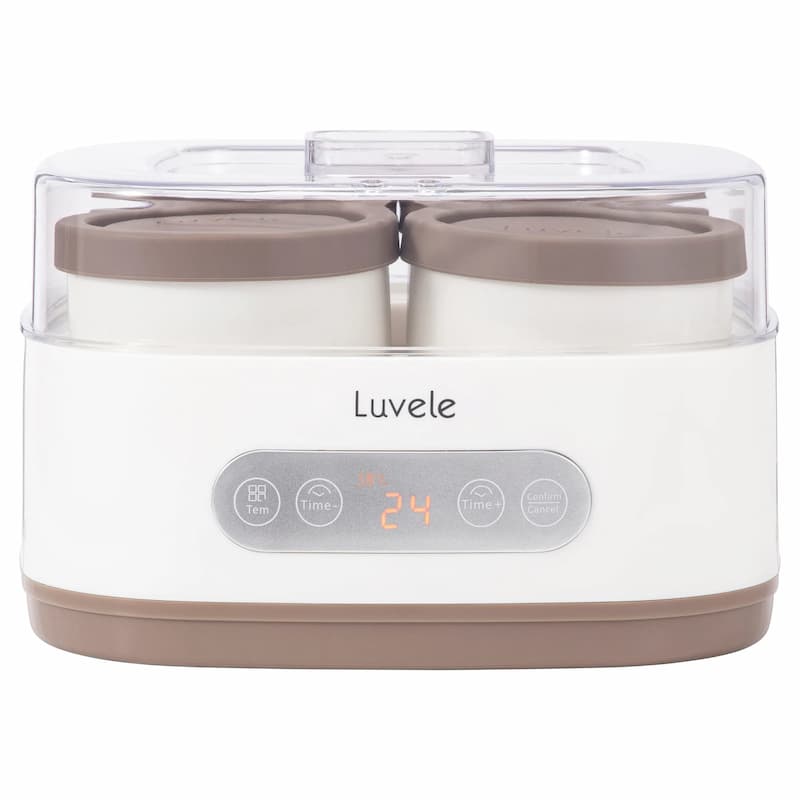
Luvele Pure Yogurt Maker
Create creamy, probiotic-rich yogurt at home with precision temperature control for perfect results every time.
3. Effective Daily Skincare Routine
A solid skincare routine can do wonders for your skin’s appearance—and it doesn’t have to be complicated. The key is consistency and choosing products that suit your skin type.
Natural ingredients like hyaluronic acid, vitamin C, and retinol are known for their ability to boost skin texture, brighten complexion, and reduce the appearance of wrinkles over time.
When used regularly, they can help keep your skin looking youthful and radiant without the need for injections.
4. Regular Facial Massages
Facial massages are an easy, relaxing way to keep your skin firm and glowing. They help stimulate blood flow and boost collagen production, both of which are key to maintaining youthful skin.
Techniques like gua sha and lymphatic drainage massages are especially great for reducing puffiness, helping to give your face that lifted, radiant look. Plus, they feel pretty amazing!
5. Sun Protection
One of the simplest and most effective ways to prevent premature aging is by protecting your skin from the sun.
Those UV rays?
They can speed up the aging process and cause wrinkles. Make sunscreen a daily habit—yes, even on cloudy days—and consider wearing sun-protective clothing.
Not only will this help preserve your skin’s youthful look, but it’ll also lower your risk of skin cancer.
RELATED POST: 10 External Factors That Cause Skin Aging and How to Slow It Down
6. Yoga and Meditation
Yoga and meditation aren’t just for your mind—they’re also a great way to give your skin a little extra love.
By reducing stress and relaxing facial muscles (like those pesky furrowed brows or clenched jaws), these practices can help smooth out your skin and give you a more relaxed, youthful look.
So, the next time you need a break, why not roll out your yoga mat or take a few deep breaths?
Final Thoughts
Botox might give you those instant, wrinkle-free results, but it’s important to remember the potential risks—whether it’s allergic reactions, skin issues, or even effects on your brain.
If you’re looking to keep your youthful glow, there are plenty of safer, more natural alternatives that can support your overall health and boost your confidence.
Let’s face it: the pressure to stay young, driven by the media and society’s unrealistic beauty standards, can leave us feeling inadequate.
But true beauty isn’t just about looking young—it’s about feeling good in your skin and embracing the natural aging process.
Before making any decisions about cosmetic procedures, it’s essential to chat with a qualified expert. Take the time to weigh the risks and explore all your options.
After all, your health and well-being should always be the top priority.
*This article is for informational purposes only and should not be considered medical or dermatological advice. Always consult with a dermatologist or qualified skincare professional for personalized recommendations tailored to your skin type and concerns.
“Botox.” MedlinePlus. U.S. National Library of Medicine, 24 January 2017. https://medlineplus.gov/botox.html. Accessed 8 October 2023.
Durand, Paul D., et al. "Botulinum Toxin and Muscle Atrophy: A Wanted or Unwanted Effect." Aesthetic Surgery Journal, vol. 36, no. 4, 2016, pp. 482–487.
Frothingham, Scott. “Droopy Eyelid After Botox.” Healthline, Updated 15 March 2019. https://www.healthline.com/health/droopy-eyelid-after-botox. Accessed 8 October 2023.
Haque, Emily K et al. “Transient localized cutaneous reaction after onabotulinumtoxinA aesthetic injection.” Proceedings (Baylor University. Medical Center) vol. 33,4 598-600. 9 Jul. 2020, doi:10.1080/08998280.2020.1778611
Kim, M Justin et al. “Botulinum toxin-induced facial muscle paralysis affects amygdala responses to the perception of emotional expressions: preliminary findings from an A-B-A design.” Biology of mood & anxiety disorders vol. 4 11. 31 Oct. 2014, doi:10.1186/2045-5380-4-11. Adapted from and used under the terms of the Creative Commons Attribution 4.0 International License.
Mehri, K., Oskuye, Z. Z., Nassireslami, E., Karami, E., & Parvizi, M. R. “Rivastigmine ameliorates botulinum-induced hippocampal damage and spatial memory impairment in male rats.” NeuroToxicology, 98, 29-38. September 2023. https://www.sciencedirect.com/science/article/abs/pii/S0161813X23001006?
“Plastic Surgery Statistics Report 2020.” American Society of Plastic Surgeons, https://www.plasticsurgery.org/documents/News/Statistics/2020/plastic-surgery-statistics-full-report-2020.pdf.
“Plastic Surgery Statistics Report 2022.” American Society of Plastic Surgeons, https://www.plasticsurgery.org/documents/News/Statistics/2022/plastic-surgery-statistics-report-2022.pdf.
“Plastic Surgery Statistics Report 2023.” American Society of Plastic Surgeons, https://www.plasticsurgery.org/documents/news/statistics/2023/plastic-surgery-statistics-report-2023.pdf.

Linda, co-founder of Courier Beauty, holds a BA in Fashion Marketing, a PG certificate in Fashion & Luxury Goods Management, and a Diploma in Natural Health Nutrition & Diet. Inspired by photography, food, and travel, she loves holistic beauty and nourishing the skin naturally.