


3 Silent Confidence Killers (and How to Fix Them)
Confidence is one of the most attractive qualities you can have. It isn’t about having perfect skin, wearing the latest fashion trends, or achieving a flawless body.
In fact, many of the most captivating people in the world aren’t traditionally “perfect” at all. What truly draws others in is the energy they bring.
Confidence shapes the way you walk, talk, smile, and connect with the people around you.
The challenge is that confidence rarely disappears overnight. More often, it fades little by little through habits and thought patterns that seem harmless at first.
These silent confidence killers often work in the background, quietly influencing how you see yourself without you even realizing it.
The good news?
Once you recognize them, you can start to reverse their impact and build confidence again sooner than you might think.
Let’s take a look at three of the biggest confidence killers and some simple ways to overcome them.
This post contains affiliate links, which means we may earn a commission if you purchase through our links—at no extra cost to you. As an Amazon Associate we earn from qualifying purchases. We only recommend products we use or trust. Learn more about affiliate marketing or read our full disclosure.
Understanding Confidence and Why It Matters
If you’ve ever struggled with confidence, you’re definitely not alone. Many of us spend years feeling like we’re not attractive enough, successful enough, or simply good enough.

We often look at other people and assume they were simply born confident while we’re somehow missing that quality.
But confidence isn’t something reserved for a lucky few. It’s something you can build, strengthen, and rebuild throughout your life.
What many people don’t realize is that low confidence is often the result of small habits we’ve picked up over the years.
Constant comparison, negative self-talk, and focusing on our flaws can gradually wear down the way we see ourselves.
The good news is that the opposite is true as well. Just as unhealthy habits can weaken your confidence, healthy habits can help you build confidence and restore it over time.
And that matters because confidence affects so much more than how you feel about yourself.
It shapes the way you carry yourself, how you interact with others, and even how attractive you appear. When you feel confident, you naturally give off a sense of self-assurance that people find incredibly appealing.
RELATED POST: What Self-Confidence Really Looks Like (It’s Not What You Think)
That’s why recognizing and addressing these silent confidence killers can make such a powerful difference in your life.
1. Constantly Comparing Yourself to Everyone Else
Comparison is one of the fastest ways to undermine your confidence.
Social media has made it easier than ever to compare ourselves to people who seem more attractive, successful, fashionable, or happier.
We scroll through carefully curated photos and end up comparing our real lives to someone else’s highlight reel.
Before long, we start thinking:
- Why doesn’t my skin look like that?
- Why can’t I pull off that hairstyle?
- Why don’t I look as confident as she does?
The problem isn’t that you’re noticing other people. It’s that you’re using them as evidence that you’re somehow falling short.
When you constantly compare yourself to others, you train your mind to focus on what you think you’re missing instead of recognizing your own strengths.
Over time, that habit of self-criticism slowly chips away at your self-worth.

How to Fix It
Start by reminding yourself that confidence grows through self-awareness, not comparison.
Instead of asking:
Am I better than them?
Ask yourself:
Am I becoming a better version of myself?
In other words, focus on your own progress.
Maybe your skin is healthier than it was six months ago. Maybe you feel more comfortable speaking up during meetings.
Maybe you’ve started taking better care of your physical and mental well-being. Those wins matter.
Another helpful habit is to spend less time consuming content that leaves you feeling inadequate. If certain accounts consistently make you feel worse about yourself, unfollow them.
Instead, fill your feed with people who encourage and inspire you rather than make you feel intimidated.
The more you appreciate your own progress, the less power comparison has over your confidence.
If perfectionism or constantly comparing yourself to others is affecting your confidence, The Gifts of Imperfection by Brené Brown (available on Bookshop.org) is well worth reading.
It offers practical advice on embracing who you are instead of chasing impossible standards.
book tip

The Gifts of Imperfection
By Brené Brown
Whether you struggle with comparison, fear, or simply want to live more fully, this book provides tools to step into your life with courage and grace.
Did you know? When you buy from Bookshop.org, you help support independent bookstores.
2. Negative Self-Talk You Don’t Even Notice
Many people think confidence is something you either have or you don’t. In reality, it’s shaped by the conversations you have with yourself every single day.
Imagine hearing someone say these things to you over and over again:
- You’re not attractive enough.
- You’re awkward.
- You always mess things up.
- Nobody notices you.
- You’re not good enough.
That would hurt, wouldn’t it?
Yet many people speak to themselves this way every single day.
Negative self-talk often becomes so familiar that it starts to feel like fact instead of opinion. We stop questioning those thoughts and begin accepting them as the truth.
Over time, those thoughts shape the way we behave.
If you believe you’re unattractive, you may avoid making eye contact. If you think you’re boring, you may stay quiet during conversations. If you believe you’re incapable, you may stop chasing opportunities altogether.
The result is a cycle that continually reinforces low confidence.
How to Fix It
The first step is becoming aware of it.
For one day, pay close attention to how you speak to yourself. Notice the thoughts that come up when you look in the mirror, take a photo, make a mistake, or meet someone new.
Once you catch a negative thought, challenge it.
For example, instead of saying: I’m so unattractive.
Try: I’m learning to appreciate my unique features.
Instead of: I always embarrass myself.
Try: Everyone has awkward moments. They don’t define me.
The goal isn’t to force yourself into unrealistic positivity. It’s to replace harsh self-criticism with balanced, compassionate thinking.
Confidence grows when your inner voice becomes supportive instead of critical.
If negative self-talk is holding you back, How to Love Yourself Cards by Louise Hay affirmation cards (available on Bookshop.org) can help you develop a kinder, more supportive inner voice.
They’re an easy way to add a few moments of self-reflection and encouragement to your daily routine.
shift your mindset

How to Love Yourself Cards by Louise Hay
Support lasting change with daily affirmations designed to reshape how you think and feel about yourself.
Did you know? Your purchase helps support independent bookstores with every order.
RELATED POST: How to Think, Act & Live Like a Confident Woman
3. Waiting Until You’re “Perfect” Before Feeling Confident
This confidence killer is surprisingly common. Many people believe confidence is something they’ll finally earn someday in the future.
They tell themselves:
- I’ll be confident when I lose weight.
- I’ll be confident when my skin clears up.
- I’ll be confident when I make more money.
- I’ll be confident when I finally look perfect.
The problem is that perfection keeps moving further out of reach. Even when you achieve one goal, a new insecurity often takes its place.
- You lose the weight, but now you’re worried about getting older.
- You improve your skin, but now you’re focused on your hair.
- You buy the clothes you’ve always wanted, but now you’re comparing your wardrobe to someone else’s.
When your confidence depends on perfection, it never truly arrives.
Real confidence isn’t believing you’re flawless. It’s believing you’re worthy and attractive, even with your flaws.
In fact, many of the most confident people in the world have imperfections that everyone can see. They simply refuse to let those imperfections define their worth.
How to Fix It
Start practicing confidence before you feel completely ready. It may sound backward, but that’s exactly how you build confidence.
You don’t wait until you’re confident to try new things. You become confident by trying new things.
- Wear the outfit you’ve been saving.
- Speak up during the meeting.
- Take the photo.
- Go on the date.
- Start the project.
- Apply for the opportunity.
The more you prove to yourself that you can handle challenges, the stronger your confidence becomes.
It also helps to shift your focus away from appearance-based goals and toward habits that build self-respect.
Instead of asking:
How can I look perfect?
Ask:
How can I take care of myself today?
Confidence grows when you consistently show yourself that you’re worth caring for.
That could mean:
- Drinking more water
- Getting enough sleep
- Following a skincare routine
- Moving your body regularly
- Setting healthy boundaries
- Wearing clothes that make you feel good
These actions send a powerful message of self-worth to your brain. And self-worth is the foundation of lasting confidence.
If you want to build lasting confidence from the inside out, The Six Pillars of Self-Esteem by Nathaniel Branden (available on Bookshop.org) is an excellent choice.
It explains the habits and mindset that support healthy self-esteem and provides practical exercises you can apply in everyday life.
book tip
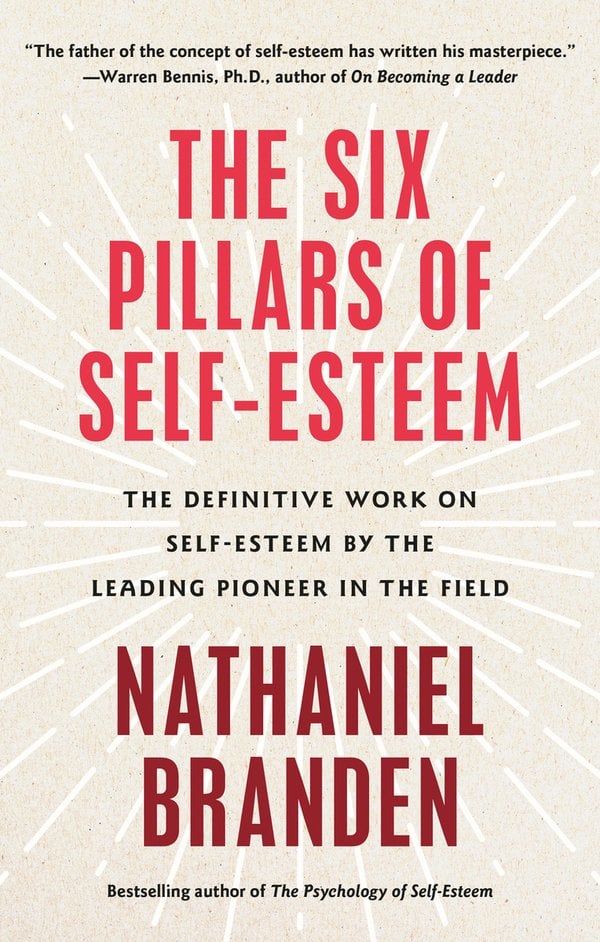
The Six Pillars of Self-Esteem
By Nathaniel Branden
Explore a practical framework for building healthy self-esteem through everyday thoughts, choices, and actions.
Did you know? When you buy from Bookshop.org, you help support independent bookstores.
RELATED POST: 10 Steps to a More Confident You Through Personal Style
Why Confidence Makes You More Attractive
Confidence influences almost every part of attraction. It shapes your posture, facial expressions, communication style, and overall presence.
When you’re confident:
- You smile more naturally.
- You make stronger eye contact.
- You seem more approachable.
- You carry yourself with greater ease.
- You stop obsessing over flaws that most people barely notice.
People are naturally drawn to those who seem comfortable in their own skin. That’s why confidence often leaves a stronger impression than physical appearance alone.
The most attractive version of yourself isn’t necessarily the one with perfect hair, perfect makeup, or the perfect outfit.
It’s the version of you that genuinely believes you are enough.
If you’d like to turn the ideas in this article into a daily habit, Self-Care: A Day and Night Reflection Journal (available on Bookshop.org) is a great companion.
It encourages you to reflect, practice self-care, and focus on the small, consistent actions that help build confidence over time.
Daily Self-Care
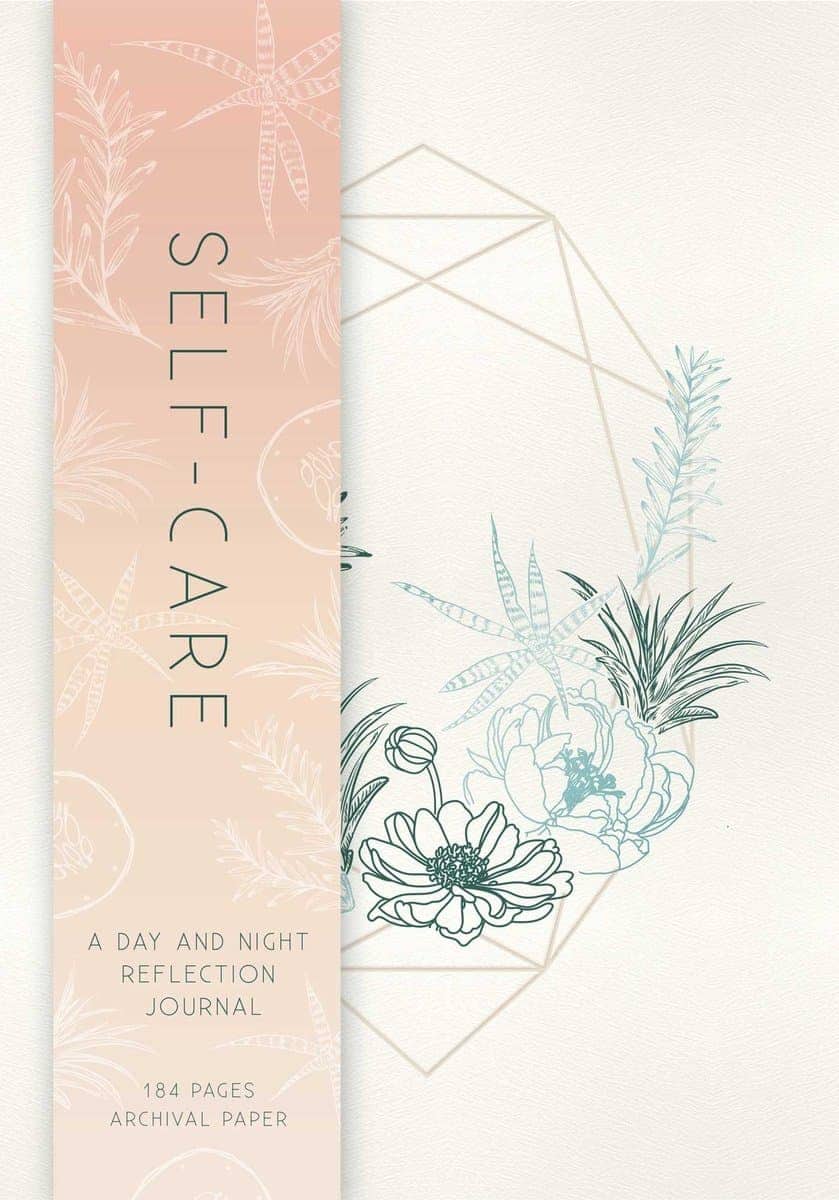
Self-Care Journal by Insight Editions
Take a few minutes each day to reset, reflect, and care for yourself with this guided self-care journal.
Did you know? Your purchase helps support independent bookstores with every order.
Final Thoughts
Confidence doesn’t disappear because of one major event.
More often, it’s gradually worn down by comparison, negative self-talk, and the belief that you need to be perfect before you can feel good about yourself.
The good news is that these habits can be changed.
- Start noticing when you’re comparing yourself to others.
- Challenge the negative voice in your mind.
- Stop waiting for perfection before allowing yourself to feel confident.
Remember, confidence isn’t about becoming someone else. It’s about accepting and appreciating who you already are.
As you begin to build confidence through small, consistent changes, you’ll notice a shift not only in how you see yourself but also in how you show up in the world.
And when that happens, your natural beauty has the chance to shine.
Kim, Junhyung et al. “The effects of positive or negative self-talk on the alteration of brain functional connectivity by performing cognitive tasks.” Scientific reports vol. 11,1 14873. 21 Jul. 2021, doi:10.1038/s41598-021-94328-9. Adapted and used under the terms of the Creative Commons Attribution 4.0 International License.
Lu, Lei et al. “Effective Assessments of a Short-Duration Poor Posture on Upper Limb Muscle Fatigue Before Physical Exercise.” Frontiers in physiology vol. 11 541974. 6 Oct. 2020, doi:10.3389/fphys.2020.541974. Adapted and used under the terms of the Creative Commons Attribution 4.0 International License.
Pluut, Helen, and Jaap Wonders. “Not Able to Lead a Healthy Life When You Need It the Most: Dual Role of Lifestyle Behaviors in the Association of Blurred Work-Life Boundaries With Well-Being.” Frontiers in psychology vol. 11 607294. 23 Dec. 2020, doi:10.3389/fpsyg.2020.607294. Adapted and used under the terms of the Creative Commons Attribution 4.0 International License.

Malin, co-founder of Courier Beauty, has a BA in Fashion Marketing and a PG certificate in Fashion & Luxury Goods Management. She’s passionate about skin health through nutrition and creates content focused on radiant skin and holistic wellness.