


What Self-Confidence Really Looks Like (It’s Not What You Think)
When most people think of a confident person, they picture someone who is completely fearless.
Someone who walks into a room without a hint of self-doubt. Someone who always knows exactly what to say, never gets nervous, and seems completely at ease in every situation.
But real self confidence rarely looks like that. In fact, many of the qualities we associate with confidence aren’t actually confidence at all.
Confidence isn’t about being the loudest person in the room. It isn’t about feeling sure of yourself all the time. It isn’t about having flawless skin, a flawless body, a flawless wardrobe, or a flawless life.
Real self confidence is much quieter—and much more attainable—than most people realize.
The problem is that many of us spend years chasing an unrealistic version of confidence. We tell ourselves that we’ll finally feel confident once we reach a certain goal, look a certain way, or eliminate every insecurity.
But that’s not how confidence works.
If you’ve ever struggled with self-doubt or wondered why confidence feels so difficult to find, understanding what self-confidence really looks like can be an important first step.
This post contains affiliate links, which means we may earn a commission if you purchase through our links—at no extra cost to you. As an Amazon Associate we earn from qualifying purchases. We only recommend products we use or trust. Learn more about affiliate marketing or read our full disclosure.
The Biggest Myth About Confidence
Probably the most common myth about confidence is this:
Confident people never feel insecure.
Nothing could be further from the truth.

Even people with strong self confidence still experience:
- Self-doubt
- Nervousness
- Fear
- Rejection
- Uncertainty
The difference is that they don’t let those feelings determine what they do. They understand that confidence isn’t about never feeling afraid.
It’s about choosing to move forward even when fear is present.
Think about someone getting ready to give a speech. A confident person may still feel nervous. The difference is that they step up and do it anyway.
That’s confidence.
Confidence Is Not Perfection
Many people spend years waiting for confidence to arrive.
They tell themselves:
- I’ll feel confident when I lose weight.
- I’ll feel confident when my skin improves.
- I’ll feel confident when I earn more money.
- I’ll feel confident when I become more successful.
The problem is that confidence doesn’t suddenly appear once everything in life is perfect.
Perfection is a standard no one can truly reach. There will always be another goal to pursue, another challenge to face, or another flaw to focus on.
Real self confidence grows when you stop tying your worth to perfection. It develops as you learn to accept yourself while continuing to grow.
Confidence Is Self-Trust
At its core, self confidence is about trusting yourself.
It’s believing that you can:
- Handle challenges
- Learn from mistakes
- Recover from setbacks
- Make decisions
- Figure things out along the way
Confident people don’t expect to never fail. They trust that if they do, they’ll be able to handle it.
That simple shift changes everything. When you trust yourself, uncertainty feels far less overwhelming.
RELATED POST: 3 Silent Confidence Killers (and How to Fix Them)
Confidence Doesn’t Need Constant Validation
One of the clearest signs of real confidence is relying less on constant approval from other people. Many of us don’t realize how much we depend on validation to feel good about ourselves.
We look for:
- Compliments
- Praise
- Likes and comments
- External reassurance
While positive feedback feels good, self confidence that depends entirely on outside approval is fragile.
Why?
Because other people’s opinions can change at any moment. Real confidence comes from knowing your worth, even when that validation isn’t there.
RELATED POST: How to Think, Act & Live Like a Confident Woman
Confidence Looks Like Setting Boundaries
Many people associate confidence with being bold or outspoken. In reality, confidence often shows up through healthy boundaries.
Confident people understand:
- Their time is valuable.
- Their energy is valuable.
- Their well-being matters.
Because of that, they’re willing to:
- Say no
- Protect their peace
- Communicate their needs
- Walk away from unhealthy situations
Setting boundaries isn’t selfish. More often than not, it’s a sign of self-respect. And self-respect is deeply connected to confidence.
Confidence Is Being Comfortable With Imperfection
One of the most appealing qualities of confident people is their ability to accept imperfection.
That doesn’t mean they don’t want to improve. It simply means they don’t believe they have to be perfect before they can enjoy their lives.
Confident people understand:
- Mistakes happen.
- Bad days happen.
- Failure happens.
They don’t treat every setback as proof that something is wrong with them. Instead, they see challenges as a normal part of being human.
Confidence Is Taking Action Before You Feel Ready
Many people believe confidence comes first and action comes second. But in many cases, the opposite is true.
Action builds confidence.
Think about any skill you’ve learned. Chances are, you didn’t feel confident when you first started. Confidence grew through experience.
The same is true for:
- Public speaking
- Fitness
- Career growth
- Relationships
- Personal style
Confident people don’t wait until they feel completely certain. They’re willing to take the first step before they feel fully ready.
Confidence Doesn’t Mean Comparing Yourself to Others
Social media has made comparison easier than ever. Every day, you’re exposed to carefully curated highlights of other people’s lives.
It’s easy to look at someone else’s success and feel as though you’re falling behind.
Confident people still notice what others are doing. But instead of constantly measuring themselves against everyone else, they spend more time focusing on their own progress.
Instead of asking:
Am I better than them?
They ask:
Am I becoming a better version of myself?
That simple shift in perspective can be incredibly powerful.
Confidence Is Speaking Kindly to Yourself
Many people don’t realize how much their inner dialogue shapes their confidence.
Imagine hearing criticism from someone every single day for years. Eventually, it would start to affect how you see yourself.
Unfortunately, that voice is often your own.
Confident people aren’t positive all the time. But they usually avoid becoming their own harshest critic.
Instead of saying:
I’m terrible at this.
They might say:
I’m still learning.
That small change matters. The way you speak to yourself shapes the way you see yourself.
If you’d like to develop a kinder relationship with yourself, How to Love Yourself Cards by Louise Hay (available on Bookshop.org) is a wonderful companion.
The simple daily affirmations can help you replace harsh self-talk with more supportive thoughts, making it easier to build genuine self confidence over time.
shift your mindset

How to Love Yourself Cards by Louise Hay
Support lasting change with daily affirmations designed to reshape how you think and feel about yourself.
Did you know? Your purchase helps support independent bookstores with every order.
Confidence Is Being Yourself
One of the most misunderstood parts of self confidence is authenticity. Many people spend years trying to become someone they’re not.
- They follow trends.
- They copy other people’s personalities.
- They seek approval.
Confident people understand they don’t have to live up to every expectation. They give themselves permission to be who they truly are.
That doesn’t mean refusing to grow. It means recognizing that your worth doesn’t depend on becoming someone else.
Authenticity is often the very thing that creates the confidence people have been searching for.
If you’re interested in how your clothing choices reflect your personality and confidence, You Are What You Wear by Jennifer Baumgartner (available on Bookshop.org) is a fascinating read.
It explores the psychology behind what we wear and how understanding your style can help you feel more authentic and self-assured.
book tip

You Are What You Wear
By Jennifer Baumgartner
What if your closet could tell the story of your life?
Did you know? When you buy from Bookshop.org, you help support independent bookstores.
Confidence Isn’t Always Loud
This may be one of the most surprising truths about confidence. Real confidence is often quiet.
Popular culture often portrays confidence as:
- Extroversion
- Boldness
- Constant charisma
But many confident people are:
- Introverted
- Thoughtful
- Reserved
- Calm
Confidence isn’t about being the loudest person in the room. It’s about feeling secure in who you are.
You don’t have to dominate every conversation to be confident. You simply need to trust yourself.
How Personal Style Reflects Self Confidence
Personal style is a great example of self confidence in everyday life. Confident people don’t necessarily wear expensive clothes, and they don’t feel the need to follow every trend.
Instead, they choose styles that genuinely feel like them.
Whether someone prefers:
- Classic fashion
- Feminine style
- Minimalism
- Colorful outfits
- Casual looks
self confidence often comes from wearing what feels right rather than what earns the most approval.
That’s one reason confidence can make any outfit look even better.
If you want to feel more confident in your wardrobe, How to Get Dressed by Alison Freer (available on Bookshop.org) is packed with practical advice.
It focuses on getting your clothes to fit, flatter, and feel comfortable so you can wear them with confidence every day.
book tip

How to Get Dressed
By Alison Freer
Struggling with a closet full of clothes but still feel like you have “nothing to wear”?
Did you know? When you buy from Bookshop.org, you help support independent bookstores.
RELATED POST: 10 Steps to a More Confident You Through Personal Style
Confidence Is Resilience
Life doesn’t always unfold the way we expect.
Everyone experiences:
- Rejection
- Failure
- Disappointment
- Criticism
Confident people aren’t protected from these experiences. What sets them apart is their resilience.
They don’t let setbacks define who they are.
Instead of thinking:
This proves I’m not good enough.
They think:
What can I learn from this?
Over time, that resilience helps self confidence grow even stronger.
Confidence Is Taking Care of Yourself
Many confident people share one important habit:
They make self-care a priority.
That doesn’t always mean spa days or expensive treatments. It means treating yourself with care, respect, and compassion.
Examples include:
- Getting enough sleep
- Nourishing your body
- Moving regularly
- Managing stress
- Maintaining healthy relationships
These habits reinforce a simple belief:
I am worth taking care of.
And that belief strengthens confidence.
What Self-Confidence Doesn’t Look Like
To better understand confidence, it helps to know what it isn’t.
Self-confidence is not:
- Arrogance
- Perfectionism
- Seeking attention
- Looking flawless
- Never feeling insecure
- Being fearless
- Thinking you’re better than others
Many of these traits actually come from insecurity rather than confidence. Real self confidence is built on self-awareness and self-respect.
How to Build Real Self-Confidence
If confidence feels difficult right now, remember this:
Confidence isn’t something you find. It’s something you build.
Start with small actions:
- Keep promises to yourself.
- Practice kinder self-talk.
- Set healthy boundaries.
- Try new things.
- Stop waiting for perfection.
- Focus on progress.
These habits may seem small, but together they create a strong foundation for lasting self confidence.
If you want to explore this topic in more depth, The Six Pillars of Self-Esteem by Nathaniel Branden (available on Bookshop.org) is one of the best books on building lasting confidence.
book tip
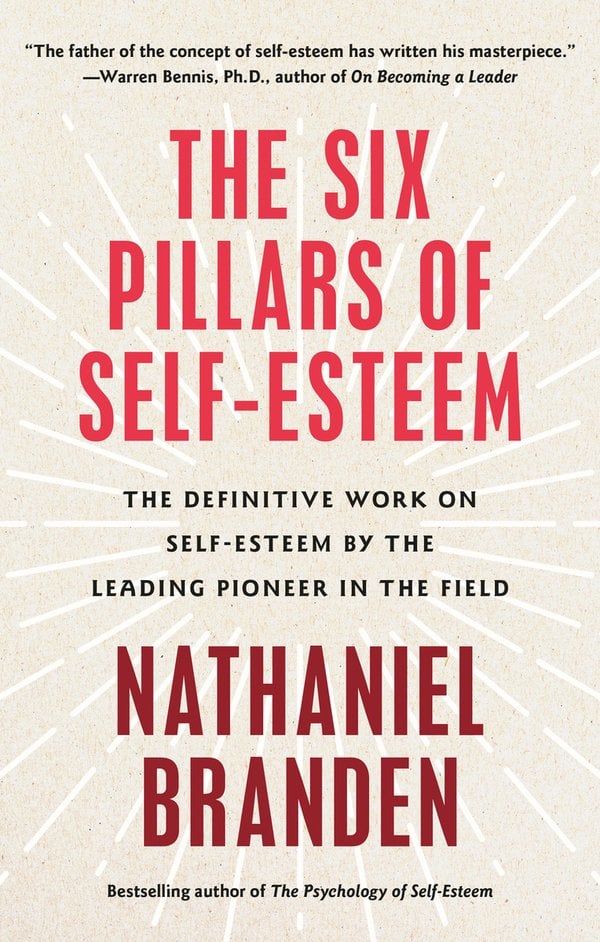
The Six Pillars of Self-Esteem
By Nathaniel Branden
Explore a practical framework for building healthy self-esteem through everyday thoughts, choices, and actions.
Did you know? When you buy from Bookshop.org, you help support independent bookstores.
It explains the habits and mindset that support healthy self-esteem and offers practical insights you can apply in everyday life.
Why Confidence Is More Attractive Than Perfection
People are often drawn to confidence because it feels genuine. Perfection, on the other hand, can feel distant and impossible to achieve.
Confidence feels human. It helps people connect with you and creates a sense of warmth, authenticity, and presence.
That’s why confidence is often seen as one of the most attractive qualities a person can have. Not because it makes someone perfect, but because it allows them to fully embrace who they are.
Final Thoughts
What self-confidence really looks like may be very different from what you’ve always been led to believe.
- It’s not perfection.
- It’s not fearlessness.
- It’s not constant certainty.
Real self confidence is self-trust. It’s accepting your imperfections while continuing to grow.
It’s speaking kindly to yourself, setting healthy boundaries, taking action despite fear, and recognizing your worth without relying entirely on outside approval.
The most confident people aren’t the ones who never struggle. They’re the ones who keep showing up, keep learning, and keep moving forward anyway.
And perhaps that’s the most encouraging truth about confidence: you don’t need to become someone else to build it.
You simply need to learn to trust yourself a little more each day.
*This article is for informational purposes only and should not be considered medical or dermatological advice. Always consult with a dermatologist or qualified skincare professional for personalized recommendations tailored to your skin type and concerns.

Malin, co-founder of Courier Beauty, has a BA in Fashion Marketing and a PG certificate in Fashion & Luxury Goods Management. She’s passionate about skin health through nutrition and creates content focused on radiant skin and holistic wellness.