


Genetics vs. Lifestyle: What Really Determines How Fast You Age?
Have you ever looked in the mirror and wondered, “Is this just bad genes—or is it something I’m doing?”
You’re not alone. The truth is, genetics only play a small role—about 20–30%—in how fast you age.
The rest?
That’s all lifestyle.
Yep, everything from what you eat to how much you sleep, whether you exercise, and how you manage stress—it all adds up. And while that might sound overwhelming, it’s actually empowering.
It means you have way more control over the aging process than you probably realized.
In this article, we’re diving into the conversation around genetics vs. lifestyle on skin aging—what science says, what you can do about it, and how to give your skin its best shot at aging gracefully.
This post contains affiliate links, which means we may earn a commission if you purchase through our links—at no extra cost to you. As an Amazon Associate we earn from qualifying purchases. We only recommend products we use or trust. Learn more about affiliate marketing or read our full disclosure.
Understanding the Basics of Aging
Aging—it’s something we all go through, but let’s be real: most of us don’t totally understand why it happens.
Found this helpful? Pin it for later so you can come back anytime.

One day you’re glowing, the next you’re Googling “best under-eye creams.”
Sound familiar?
At its core, aging is a natural process that affects both how we look and how we feel. But it’s not random.
There are a few key biological players working behind the scenes:
- Cellular senescence – when cells stop dividing and start… well, slacking off.
- Telomere shortening – think of telomeres like the plastic tips on shoelaces that keep your DNA from fraying. Over time, they wear down.
- DNA damage – tiny glitches in your genetic code can add up.
- Oxidative stress – basically, your cells getting a little “rusty” from everyday wear and tear.
- Chronic inflammation – a silent troublemaker linked to all kinds of aging effects.
Now, here’s where it gets interesting: all of these things are influenced by your genes and your daily habits.
So, when we talk about genetics vs. lifestyle on skin aging, we’re really asking—how much of this can you control?
Let’s find out.
The Role of Genetics in Aging
When we talk about genetics, we’re talking about the stuff you inherit from your parents: eye color, height, facial features—and yep, even how your skin ages.
It’s true that your genes can influence things like your risk for wrinkles, sagging, or age-related conditions. So if your mom looks 30 at 50, you might be in luck!
But before you chalk everything up to family history, here’s something worth knowing. Research shows that only 20–30% of aging is actually determined by your genetics.
The other 70-80%?
It comes down to lifestyle and environment—what you eat, how you move, how much you sleep, and how well you manage stress.
So when it comes to genetics vs. lifestyle on skin aging, lifestyle has a much bigger say in the matter than most people think.
That said, your genes do play a role in how your body responds to the world around you.
For instance, some people might be more prone to things like:
- Collagen breakdown
- Inflammation or slower wound healing
- Pigmentation issues
- Early graying or thinning hair
- Higher risk of age-related diseases
Think of genetics as your starting point—not your destiny. You can absolutely work with what you’ve got to slow down the visible signs of aging.
Now, let’s take a look at a few key genetic factors that play a role in aging:
1. Longevity Genes
Okay, here’s where it gets really fascinating. Did you know some people are just genetically wired to live longer?
Scientists call these the “longevity genes,” and they might just be part of the reason why some people hit 100 and still have a sparkle in their eye.
One standout is FOXO3 (yep, sounds like a robot sidekick, but it’s a real gene). It helps your body manage stress and keeps your cells functioning like well-oiled machines—super important when it comes to aging well.
Then there’s APOE, which you might’ve heard about in connection with Alzheimer’s. While certain versions of APOE can increase risk, other variants seem to offer a protective effect against age-related diseases.
But here’s the wild part: people who live to 100 or beyond—aka centenarians—often carry the same “risky” genes as everyone else.
So, how do they stay so healthy for so long?
They’ve got what researchers call “buffering” genes—kind of like genetic bodyguards—that help cancel out the risky stuff.
How cool is that?
So yes, genes can definitely give some people a bit of an advantage. But remember, even those with “perfect” genes still rely on healthy habits to make the most of them.
It’s always a dance between genetics and lifestyle on skin aging—and your choices can tip the balance.
2. Telomere Biology
Let’s zoom in on something tiny but mighty: telomeres.
Think of them as the little plastic tips on your shoelaces—except they’re at the ends of your chromosomes, keeping your DNA safe and tidy.
As we age, these protective caps naturally get shorter. And when telomeres shrink too much, cells stop working properly or die off altogether.
That’s one of the reasons we start to see signs of aging—not just in our skin, but throughout the body.
Now, here’s where genetics come in. Certain genetic variations can impact both how long your telomeres are to begin with and how well your body produces telomerase, the enzyme that helps rebuild and protect them.
People with naturally longer telomeres tend to age more slowly and have a lower risk of age-related diseases.
Sounds like a genetic win, right?
But here’s the twist—lifestyle also plays a big role. Yep, things like chronic stress, poor sleep, smoking, and even a lack of exercise can speed up telomere shortening.
So again, when we look at genetics vs. lifestyle on skin aging, it’s not an either/or situation—it’s a team effort.
The good news?
Researchers are actively studying ways to support telomere health.
And many of the strategies they’re discovering—like stress management and a healthy diet—are things you can start doing right now.
3. DNA Repair Mechanisms
Ever think about how much wear and tear your DNA goes through every day? From sun exposure to pollution to just… living life, your cells are constantly under attack.
Luckily, your body has a built-in repair crew: DNA repair genes.
These genes are like molecular mechanics, fixing up any damage that happens to your DNA. It’s a behind-the-scenes process, but it’s absolutely essential for keeping your body running smoothly and slowing down the aging process.
When this repair system starts to falter—either because of age or genetic hiccups—it can lead to premature aging, increased disease risk, and changes in how your skin looks and feels.
Some people are born with genes that make their DNA repair systems super efficient (lucky them), while others may have variations that make the process less reliable.
That means DNA damage builds up faster—and so do the signs of aging.
But here’s where it gets hopeful: even if your genes aren’t working overtime on repairs, lifestyle factors can help reduce the load. Antioxidant-rich foods, good sleep, less stress, and proper skincare all support your body’s natural defense and repair systems.
So yes, DNA repair is part of the puzzle—but it’s not the whole picture. Your choices can help balance the scales.
4. Oxidative Stress Response
Let’s talk about something your body deals with every single day: oxidative stress. It might sound like a science experiment gone wrong, but it’s actually a natural part of life.
Basically, it happens when free radicals—those unstable, cell-damaging molecules—start to pile up faster than your body can handle them.
Now, here’s where your genes come in.
Some people are born with genetic traits that help them produce more of the antioxidant enzymes that fight off free radicals. These enzymes act like bodyguards, neutralizing the bad guys before they cause too much trouble.
In fact, studies (even in tiny yeast cells!) show that certain genes involved in protein trafficking and cell repair are key players in protecting cells from oxidative stress.
That means our bodies might have their own built-in, genetically influenced ways of dealing with different kinds of cellular damage.
Pretty cool, right?
But here’s the catch—if your body doesn’t produce enough of these protective enzymes, oxidative stress can speed up aging, especially when it comes to your skin.
Wrinkles, dullness, loss of elasticity? Yep, free radicals are part of that story.
That’s why understanding how your genes handle oxidative stress is so important—and why lifestyle matters just as much.
Antioxidant-rich foods, sun protection, and even how you handle stress can all help support your body’s defenses.
RELATED POST: 10 Foods That Help Reduce Oxidative Stress in the Skin
5. Inflammation Regulation
Did you know your body uses inflammation as a defense mechanism?
It’s how your immune system responds to injury, infection, and other threats. But like most things in life, too much of a good thing can backfire.
When inflammation sticks around too long, it becomes chronic, and that’s when it starts causing trouble.
And guess what?
Your genes play a role in how well your body regulates that inflammation. Some people are genetically more prone to staying in a state of low-grade, ongoing inflammation—which can quietly fuel the aging process from the inside out.
Chronic inflammation has been linked to everything from heart disease and Alzheimer’s to cancer.
It also creates those harmful free radicals we talked about earlier—the ones that damage your DNA and speed up cellular aging. It’s like your body is fighting an invisible war, and your skin, organs, and overall health take the hit.
But once again, genetics don’t act alone. Lifestyle plays a huge role in whether inflammation runs wild or stays in check.
And that brings us to the exciting part—what you can actually do about it.
Let’s dive into the lifestyle side of the genetics vs. lifestyle on skin aging equation—and how your everyday choices can help you age more gracefully, from the inside out.
Found this helpful? Pin it for later so you can come back anytime.

The Impact of Lifestyle on Aging
When it comes to skin aging, you have way more power than you think.
Yes, your genetics lay the groundwork for how you age, but the choices you make every day?
Those are what really shape the outcome. In fact, lifestyle factors can either hit the gas or pump the brakes on aging, especially when it comes to your skin.
Things like what you eat, how often you move, how well you sleep, how you handle stress, and even the people you surround yourself with—all of that plays a huge role in how you age.
This is why the conversation around genetics vs. lifestyle on skin aging matters so much. Because while you can’t change your DNA, you can absolutely change your habits.
Let’s break down how your lifestyle impact the aging process—and how you can start making changes that your future self (and your skin) will thank you for.
1. Your Diet Can Make or Break Your Skin
What you put on your plate shows up on your face—literally.
Your diet plays a huge role in how you age, especially when it comes to your skin. Choosing the right foods can help fight off oxidative stress, reduce inflammation, and support collagen production.
These are all key to keeping your skin looking youthful and your body feeling strong.
A balanced, nutrient-rich diet filled with colorful fruits and veggies, whole grains, lean proteins, and healthy fats gives your body the tools it needs to age gracefully.
Antioxidants from things like berries, leafy greens, and nuts help neutralize those pesky free radicals that speed up aging.
On the flip side, too much sugar, processed food, and unhealthy fats can trigger chronic inflammation and break down collagen faster (hello, fine lines and dullness).
One superstar nutrient to pay attention to?
Omega-3 fatty acids.
Found in salmon, chia seeds, walnuts, and flaxseeds, omega-3s have powerful anti-inflammatory properties that support healthy skin, joints, and even your brain.
Want an easy skin boost?
The Sports Research Triple Strength Omega-3 Fish Oil is a great pick (available on iHerb.com). It’s made from wild Alaska pollock and delivers 1250 mg of EPA and DHA in a burpless, easy-to-digest capsule.
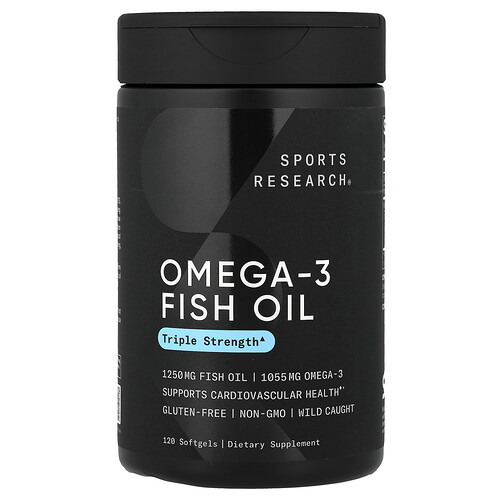
Sports Research, Omega-3 Fish Oil, Triple Strength, 120 Softgels
2. Exercise Can Keep Your Skin Firm and Glowing
Exercise isn’t just about looking fit—it’s also a great way to keep your skin youthful.
When you stay active, your body increases circulation, which helps deliver oxygen and nutrients to your skin cells.
This promotes healthy cell turnover and helps your skin look fresh and vibrant.
Plus, exercise boosts your body’s natural production of antioxidants, which protect your skin from oxidative stress and help fight the signs of aging.
On top of that, regular physical activity helps reduce inflammation, a key factor in premature aging.
By keeping inflammation in check, exercise can minimize wrinkles, puffiness, and redness, giving your skin a smoother, more youthful appearance.
Cardio exercises, like walking, running, and swimming, improve blood flow, while resistance training (like weightlifting) helps build muscle mass and maintain skin elasticity.
Both types of exercise contribute to maintaining that healthy glow as you age.
So, when we talk genetics vs. lifestyle on skin aging, exercise is one of the most powerful tools in your skincare arsenal.
3. Quality Sleep Can Keep Your Skin Youthful and Radiant
Sleep isn’t just about rest—it’s when your body goes into full repair mode.
During deep sleep, your body produces growth hormone, which is essential for tissue repair, cell regeneration, and boosting your immune system.
In other words, your skin gets its chance to heal and refresh while you’re catching up on rest.
But here’s the kicker: Not getting enough sleep on a regular basis accelerates the aging process, leading to wrinkles, dull skin, and increased risk of chronic diseases like heart disease and diabetes.
If you want to age gracefully and keep your skin glowing, it’s important to develop solid sleep habits.
Make sure to:
- Stick to a consistent sleep schedule
- Create a relaxing bedtime routine
- Avoid screens before bed
When you get enough restful sleep, your skin will thank you with a healthier, more youthful appearance.
So, when it comes to genetics vs. lifestyle on skin aging, your sleep habits play a huge role in how quickly or slowly those fine lines show up.
4. Stress Management Can Slow Down Aging
We all know that stress is a part of life, but when it becomes chronic, it can seriously speed up the aging process.
Chronic stress increases inflammation and oxidative stress in your body, which leads to sagging skin, wrinkles, and even dullness.
That’s why finding healthy ways to manage stress is a must if you want to age gracefully and keep your skin looking its best.
Mindfulness practices like yoga, tai chi, or meditation are great ways to calm the mind, relax your body, and reduce the negative effects of stress.
Not only do they help you feel more centered, but they can also prevent the inflammation that ages your skin prematurely.
I can personally vouch for how beneficial yoga and meditation have been for managing stress and promoting healthier aging. They’ve helped me feel more relaxed, energized, and, honestly, more youthful—inside and out.
Want to give yoga a try?
Then you need a great mat to get started! The Liforme Original Yoga Mat is a fantastic option (available on Amazon). It’s eco-friendly, non-slip, and offers the perfect support for your practice, helping you stay focused, balanced, and grounded throughout.
5. Social Connections Can Keep You Young and Vibrant
When it comes to aging gracefully, social connections are just as important as eating well and exercising.
Research shows that having strong relationships helps lower stress, boosts your mood, and even contributes to a longer life.
And here’s the kicker: all of this can keep your skin looking healthier, too. The less stress you experience, the fewer wrinkles and fine lines you’ll see.
As we age, it’s important to nurture the relationships we have and also seek out new ones.
Whether we’re joining a community group, volunteering, or simply spending more time with friends, these social bonds keep us engaged, emotionally fulfilled, and happier in our day-to-day lives.
So, when you make time for meaningful interactions, you’re not only caring for your mental health but also your skin’s well-being.
6. Better Lifestyle Choices Can Keep Your Skin Younger
We often hear about adopting healthy habits, but what’s just as important is avoiding harmful behaviors that can accelerate aging.
Smoking, for example, is a major culprit. Not only does it lead to premature wrinkles and dull skin, but it also raises your risk of serious health issues like cancer and heart disease.
To put it bluntly, it’s one of the quickest ways to age yourself.
If you’re trying to quit smoking, I highly recommend Allen Carr’s Easy Way to Stop Smoking (available on Bookshop.org). This book helped my sister break free from her smoking habit, and it offers a simple, no-nonsense approach that’s perfect for anyone who’s ready to make a change.
book tip

Easy Way to Stop Smoking
By Allen Carr
Looking to quit smoking? Then this book is a must-read!
Did you know? When you buy from Bookshop.org, you help support independent bookstores.
Another big offender?
Excessive alcohol consumption.
Drinking too much can dehydrate your skin, leaving it looking dull and prematurely aged. It also takes a toll on your liver and overall health, speeding up the aging process.
By steering clear of these habits, you’ll be doing your skin and your body a huge favor, helping you age more gracefully and feel better in the long run.
The Power of Genetics and Lifestyle Working Together
Both genetics and lifestyle play a role in how we age, but the real magic happens when they work together. When we understand how our lifestyle choices can influence our genetic predispositions, we get a fuller picture of the aging process.
The best part? We have the power to shape how our genes express themselves by making healthy choices.
Let’s break it down and see how these two factors influence the aging journey:
1. Epigenetics: How Your Lifestyle Influences Your Genes
Epigenetics is a fascinating part of aging.
It’s all about how our genes are expressed — not by changing the DNA sequence itself, but by influencing how those genes behave.
This means that things like diet, exercise, and stress management can actually change how our genes function.
Isn’t that amazing?
While we can’t change our genetic code, we can influence how our genes behave over time, potentially impacting our health and how long we live.
So, when it comes to aging, lifestyle choices matter—they can help you make the most of your genetic makeup!
2. Gene-Environment Interactions: How Your Environment Can Modify Your Genes
Your environment doesn’t just affect your skin and mood—it also plays a huge role in how your genes express themselves.
For instance, some people may be genetically predisposed to conditions like heart disease.
But by adopting a heart-healthy lifestyle—like eating nutritious foods, exercising regularly, and managing stress—they can significantly reduce their risk of developing those diseases.
This shows just how powerful the combination of lifestyle and environment can be when it comes to either amplifying or diminishing the effects of your genetic predispositions.
3. Personalized Medicine: Tailoring Your Health Journey Based on Your Genes
Thanks to advancements in genetic research, personalized medicine is now a real option for people who want to make more informed lifestyle choices based on their unique genetic makeup.
With genetic testing, you can gain insight into your specific health risks and tailor your approach to aging.
Whether it’s adjusting your diet, exercise routine, or other habits, knowing your genetic profile helps you choose the most effective path for healthy aging.
This personalized approach makes it clear: understanding your genetic blueprint can empower you to make smarter decisions for your body and skin.
Real-Life Examples of Genetics and Lifestyle in Action
Let’s take a look at some fascinating case studies and examples from around the world that show how genetics and lifestyle work together to shape our aging process.
These stories highlight the power of healthy choices, proving that while genetics matter, the way we live can make all the difference.
the blue zones: Secrets to Longevity and Healthy Aging
The Blue Zones are regions around the world where people live longer, healthier lives.
These populations have certain lifestyle habits in common:
- They eat mostly plant-based diets
- They stay physically active
- They maintain strong social connections
- They manage stress effectively
Even though there are genetic differences among these groups, it’s clear that their healthy habits play a huge role in their longevity.
The combination of genetics and lifestyle creates the perfect recipe for aging well.
Identical Twins Studies: Genetics Aren’t Everything
Studies on identical twins—who share the same genetic makeup—have provided valuable insights into how lifestyle choices affect aging.
What’s fascinating is that even though identical twins have the same genes, those who have different lifestyle habits often show noticeable differences in their health and aging process.
This demonstrates just how much personal choices can impact our well-being, no matter what our genetic blueprint looks like.
It’s a reminder that we have the power to shape how we age with our daily decisions, regardless of our genetic inheritance.
Centenarians: What 100+ Years of Healthy Living Looks Like
Research on centenarians—people who live to 100 or more—provides even more evidence of the interplay between genetics and lifestyle.
While genetics do play a role in their longevity, studies show that healthy habits—like eating a nutritious diet, staying active, and keeping strong social connections—are just as important.
Many centenarians continue to practice these habits well into their later years.
This reinforces the idea that the choices we make every day, from the food we eat to the people we surround ourselves with, can have a profound impact on our health and longevity.
Final Thoughts
Aging is inevitable — but how we age?
That’s something we have more control over than most people realize. Sure, our genes play a part. But the real game-changer?
The choices we make every single day.
From what’s on our plate to how much we move, how we sleep, how we manage stress, and who we surround ourselves with — these lifestyle factors can either speed up the clock or help us age with strength, grace, and vitality.
When we understand the connection between genetics vs. lifestyle on skin aging (and aging in general), we’re better equipped to make smart, sustainable choices that support a longer, healthier life.
So let’s ditch the idea that aging is out of our hands. Instead, let’s lean into the habits that help us feel good, inside and out — and embrace the aging process with confidence, curiosity, and care.
Because aging well isn’t about fighting time — it’s about making the most of it.
*This article is for informational purposes only and should not be considered medical or dermatological advice. Always consult with a dermatologist or qualified skincare professional for personalized recommendations tailored to your skin type and concerns.
Daskalopoulou, Christina et al. “Associations of smoking and alcohol consumption with healthy ageing: a systematic review and meta-analysis of longitudinal studies.” BMJ open vol. 8,4 e019540. 17 Apr. 2018, doi:10.1136/bmjopen-2017-019540. Adapted and used under the terms of the Creative Commons Attribution 4.0 International License.
Fekete, Monika et al. “Nutrition Strategies Promoting Healthy Aging: From Improvement of Cardiovascular and Brain Health to Prevention of Age-Associated Diseases.” Nutrients vol. 15,1 47. 22 Dec. 2022, doi:10.3390/nu15010047. Adapted and used under the terms of the Creative Commons Attribution 4.0 International License.
Franzago, Marica et al. “Genes and Diet in the Prevention of Chronic Diseases in Future Generations.” International journal of molecular sciences vol. 21,7 2633. 10 Apr. 2020, doi:10.3390/ijms21072633. Adapted and used under the terms of the Creative Commons Attribution 4.0 International License.
Ginsburg, Geoffrey S, and Huntington F Willard. “Genomic and personalized medicine: foundations and applications.” Translational research : the journal of laboratory and clinical medicine vol. 154,6 (2009): 277-87. doi:10.1016/j.trsl.2009.09.005.
He, J., et al. "Genetic and Epigenetic Impact of Chronic Inflammation on Colon Mucosa Cells." Front. Genet.12:722835, 2021, doi: 10.3389/fgene.2021.722835. Adapted and used under the terms of the Creative Commons Attribution 4.0 International License.
Kreouzi, M., et al. "Lessons Learned From Blue Zones, Lifestyle Medicine Pillars and Beyond: An Update on the Contributions of Behavior and Genetics to Wellbeing and Longevity." American Journal of Lifestyle Medicine, 2024;18(6):750-765, doi:10.1177/15598276221118494. Adapted and used under the terms of the Creative Commons Attribution 4.0 International License.
Liew, Siaw Cheok, and Thidar Aung. “Sleep deprivation and its association with diseases- a review.” Sleep medicine vol. 77 (2021): 192-204. doi:10.1016/j.sleep.2020.07.048.
Liu, Yun-Zi et al. “Inflammation: The Common Pathway of Stress-Related Diseases.” Frontiers in human neuroscience vol. 11 316. 20 Jun. 2017, doi:10.3389/fnhum.2017.00316. Adapted and used under the terms of the Creative Commons Attribution 4.0 International License.
Maynard, Scott et al. “DNA Damage, DNA Repair, Aging, and Neurodegeneration.” Cold Spring Harbor perspectives in medicine vol. 5,10 a025130. 18 Sep. 2015, doi:10.1101/cshperspect.a025130.
McGue, Matt et al. “The nature of behavioural correlates of healthy ageing: a twin study of lifestyle in mid to late life.” International journal of epidemiology vol. 43,3 (2014): 775-82. doi:10.1093/ije/dyt210.
Moreno-Agostino, D., et al. "The impact of physical activity on healthy ageing trajectories: evidence from eight cohort studies." Int J Behav Nutr Phys Act, 17, 92, 2021, https://doi.org/10.1186/s12966-020-00995-8. Adapted and used under the terms of the Creative Commons Attribution 4.0 International License.
Shin, SH., et al. "Skin aging from mechanisms to interventions: focusing on dermal aging." Front. Physiol. 14:1195272, 2023, doi: 10.3389/fphys.2023.1195272. Adapted and used under the terms of the Creative Commons Attribution 4.0 International License.
Simoes, Eduardo J, and Luiz R Ramos. “The Role of Healthy Diet and Lifestyle in Centenarians.” Nutrients vol. 15,19 4293. 8 Oct. 2023, doi:10.3390/nu15194293. Adapted and used under the terms of the Creative Commons Attribution 4.0 International License.
Thorpe, Geoffrey W et al. “Cells have distinct mechanisms to maintain protection against different reactive oxygen species: oxidative-stress-response genes.” Proceedings of the National Academy of Sciences of the United States of America vol. 101,17 (2004): 6564-9. doi:10.1073/pnas.0305888101.
Umberson, Debra, and Jennifer Karas Montez. “Social relationships and health: a flashpoint for health policy.” Journal of health and social behaviorvol. 51 Suppl,Suppl (2010): S54-66. doi:10.1177/0022146510383501.
Vaiserman, A. and Krasnienkov, D. "Telomere Length as a Marker of Biological Age: State-of-the-Art, Open Issues, and Future Perspectives." Front. Genet. 11:630186, 2021, doi: 10.3389/fgene.2020.630186. Adapted and used under the terms of the Creative Commons Attribution 4.0 International License.
vB Hjelmborg, Jacob et al. “Genetic influence on human lifespan and longevity.” Human genetics vol. 119,3 (2006): 312-21. doi:10.1007/s00439-006-0144-y.

Linda, co-founder of Courier Beauty, holds a BA in Fashion Marketing, a PG certificate in Fashion & Luxury Goods Management, and a Diploma in Natural Health Nutrition & Diet. Inspired by photography, food, and travel, she loves holistic beauty and nourishing the skin naturally.