

The Unexpected Reason Attractive People Often Make More Money
Have you ever wondered, do attractive people make more money?
At first, it might seem like a myth—or even a little unfair. After all, your paycheck should reflect your skills, experience, and work ethic, not your appearance.
Yet over the years, researchers have explored an interesting phenomenon often called the “beauty premium.”
Some studies suggest that people who are perceived as more attractive may enjoy certain advantages in the workplace, including higher salaries, stronger performance evaluations, or more opportunities for promotion.
But here’s the surprising part…
It isn’t necessarily because attractive people are smarter or more talented.
Instead, many experts believe the real reason is far more complex—and much more interesting.
Let’s take a closer look.
This post contains affiliate links, which means we may earn a commission if you purchase through our links—at no extra cost to you. As an Amazon Associate we earn from qualifying purchases. We only recommend products we use or trust. Learn more about affiliate marketing or read our full disclosure.
Does Being Attractive Really Affect Your Income?
Before we dive in, it’s important to clear up a common misconception:
Being attractive doesn’t guarantee wealth or career success.
Found this helpful? Pin it for later so you can come back anytime.
Plenty of highly successful people don’t fit conventional beauty standards, and many conventionally attractive people still face professional challenges.
Career success depends on many factors, including:
- Education
- Skills
- Experience
- Communication
- Opportunity
- Persistence
- Timing
- Professional relationships
That said, researchers have found that appearance can sometimes influence first impressions—and first impressions can shape opportunities.
One of the best-known experts in this field is economist Daniel Hamermesh. In a widely cited 1994 study published in the American Economic Review, he found that physical appearance can have a measurable effect on earnings.
That’s where the conversation begins.
What Is the “Beauty Premium”?
The term beauty premium refers to the idea that people who are perceived as physically attractive may receive certain social or economic advantages.
These advantages might include:
- Being viewed more positively during interviews.
- Receiving friendlier interactions.
- Being perceived as more confident.
- Getting more networking opportunities.
- Making stronger first impressions.
None of these advantages guarantee success. However, over time, even small differences in opportunity can add up.
RELATED POST: 19 Surprising Signs You Are More Attractive Than You Think
Is This the Same as “Pretty Privilege”?
Pretty privilege is a popular term used to describe the social advantages people may experience when they’re perceived as attractive.
It overlaps with the idea of the beauty premium, although the terms aren’t exactly the same.
While the beauty premium often refers to measurable advantages such as higher earnings or better workplace opportunities, pretty privilege can also describe everyday benefits—from more positive first impressions to friendlier social interactions.
Neither means that attractive people automatically have easier or more successful lives. They simply describe how appearance can sometimes influence the way people are perceived and treated.
It’s Often About Perception, Not Perfection
Here’s the unexpected part:
Many of the workplace advantages associated with attractiveness aren’t actually driven by perfect facial features.
Instead, they’re often connected to the qualities people naturally associate with attractiveness.
For example, someone who appears:
- Confident
- Well-groomed
- Healthy
- Friendly
- Positive
- Professional
may be viewed more favorably—even before saying a word.
In other words, people often respond to the whole package, not just someone’s face.
RELATED POST: How Can I Be More Attractive? It Isn’t About Perfect Features
Confidence Changes How People Respond
Confidence is one of the strongest predictors of a positive first impression.
When someone walks into a room with good posture, smiles naturally, speaks clearly, and maintains comfortable eye contact, they’re often seen as capable and trustworthy.
Those perceptions can influence:
- Job interviews
- Client meetings
- Networking events
- Presentations
- Leadership opportunities
Confidence doesn’t guarantee success, but it can make it easier for people to communicate their abilities effectively.
Want to build genuine confidence? The Confidence Gap by Russ Harris (available on Bookshop.org) explains why confidence isn’t something you’re born with—it’s something you build through action. It’s a practical, science-backed guide for becoming more confident in your work and everyday life.
book tip
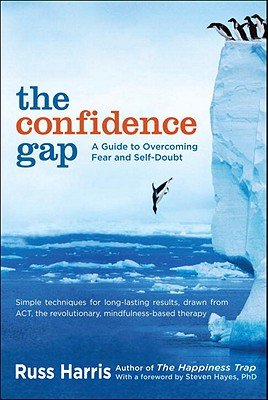
The Confidence Gap
By Russ Harris
Discover how confidence grows through action, even when fear and self-doubt are still present.
Did you know? When you buy from Bookshop.org, you help support independent bookstores.
RELATED POST: 17 Attractive Skills That Make People Instantly Like You
Why Strong Communication Skills Matter
One reason attractive people sometimes earn more may have very little to do with appearance itself.
Many attractive individuals receive positive social feedback throughout their lives. As a result, some may develop stronger communication skills and become more comfortable interacting with others.
These skills often translate into career advantages because employers value people who can:
- Build relationships
- Solve problems collaboratively
- Present ideas clearly
- Connect with clients
- Lead teams
In many industries, communication skills are every bit as valuable as technical expertise.
RELATED POST: Why Some People Have an Attractive Personality Without Trying
Why Positive Interactions Leave Lasting Impressions
Think about the coworkers or professionals you remember most. It’s probably not because they had perfect features.
It’s because they made you feel comfortable.
- They smiled.
- They listened.
- They remembered your name.
- They showed genuine interest.
These positive interactions leave lasting impressions, and those impressions often grow into stronger professional relationships.
Found this helpful? Pin it for later so you can come back anytime.
Good Grooming Signals Professionalism
Looking polished doesn’t require designer clothes or expensive beauty treatments.
Simple habits can communicate professionalism:
- Wearing clean, well-fitting clothes.
- Maintaining good personal hygiene.
- Keeping your hair neat.
- Taking care of your skin.
- Paying attention to small details.
Together, these habits suggest that someone pays attention to their work and respects the environment they’re in.
Emotional Intelligence Builds Trust
One of the most overlooked skills for career success is emotional intelligence.
People with strong emotional intelligence know how to:
- Stay calm under pressure.
- Read social situations.
- Resolve conflict respectfully.
- Encourage teammates.
- Build trust.
These qualities make people enjoyable to work with, and they’re often rewarded through stronger professional relationships.
If you’d like to strengthen your emotional intelligence, Emotional Intelligence 2.0 by Travis Bradberry & Jean Greaves (available on Bookshop.org) is an excellent resource. It offers practical strategies for improving self-awareness, communication, and relationships—skills that can make a real difference in both your career and personal life.
book tip
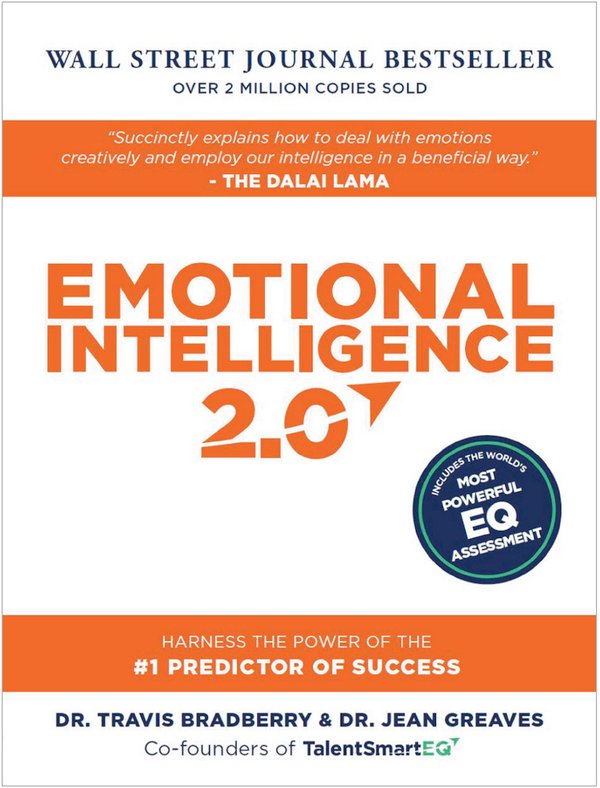
Emotional Intelligence 2.0
By Dr. Travis Bradberry and Dr. Jean Greaves
Discover practical ways to better understand your emotions and build stronger relationships.
Did you know? When you buy from Bookshop.org, you help support independent bookstores.
Likeability Can Create More Opportunities
People naturally enjoy working with colleagues they like. That doesn’t mean you need to be outgoing or constantly entertaining.
Instead, being:
- Respectful
- Helpful
- Reliable
- Positive
- Easy to communicate with
can make others more likely to recommend you for projects, promotions, or leadership opportunities.
Long before a résumé gets noticed, relationships often create opportunities.
The Halo Effect: Why First Impressions Matter
Psychologists have identified something known as the halo effect.
It’s a mental shortcut where people unconsciously assume that someone with one positive quality also has other positive qualities.
For example, someone who appears polished may also be seen as:
- More competent
- More trustworthy
- More intelligent
- More organized
These assumptions aren’t always accurate, but they can shape first impressions before someone has the opportunity to demonstrate their actual abilities.
Your Reputation Matters More Than Your Appearance
While appearance may influence a first impression, your reputation determines what happens next.
Consistently delivering high-quality work, being dependable, and treating people with respect are the qualities that build long-term success.
A polished appearance might help open a door but character is what keeps it open.
You Don’t Need Perfect Features
One of the biggest myths about attractiveness is that it requires model-like beauty.
In reality, many people are considered attractive because they:
- Smile often.
- Dress with confidence.
- Practice good posture.
- Show kindness.
- Communicate well.
- Take care of themselves.
These are habits that almost anyone can develop.
RELATED POST: The Ultimate Guide to Becoming More Attractive Naturally
Invest in Habits, Not Perfection
Instead of chasing impossible beauty standards, invest your energy in habits that strengthen both your confidence and your professional image.
Consider focusing on:
- Better sleep
- Regular exercise
- Healthy eating
- Reading and learning
- Improving communication
- Developing leadership skills
- Managing stress
- Building confidence
These habits benefit every area of your life—not just your career.
If you’re ready to build better habits, Atomic Habits by James Clear (available on Bookshop.org) is one of the best books you can read. It shows how small, consistent improvements can lead to lasting changes in your confidence, health, and long-term success.
book tip
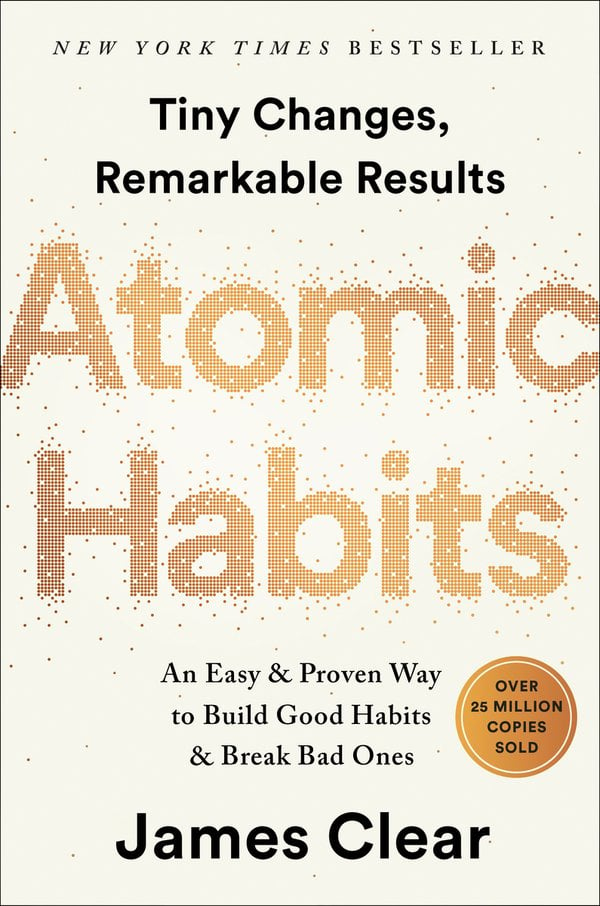
Atomic Habits
By James Clear
Discover how small, consistent habits can lead to meaningful and lasting improvements over time.
Did you know? When you buy from Bookshop.org, you help support independent bookstores.
Success Is About Much More Than Appearance
It’s worth remembering that many of the world’s most successful entrepreneurs, scientists, artists, and leaders didn’t achieve success because of how they looked.
They succeeded because they:
- Solved problems
- Worked consistently
- Built valuable skills
- Created opportunities
- Earned trust
Appearance may shape first impressions, but long-term success is built on competence, integrity, and perseverance.
Focus on What You Can Control
You can’t change every physical feature. But you can improve how you present yourself.
You can become:
- More confident
- More reliable
- More approachable
- More knowledgeable
- More emotionally intelligent
These qualities influence not only how others see you, but also how you see yourself.
And confidence that comes from genuine self-improvement is often the most powerful kind.
Final Thoughts
So, do attractive people make more money?
Research suggests that, in some situations, people who are perceived as attractive may experience certain workplace advantages.
However, those advantages don’t come from appearance alone, and they certainly don’t guarantee career success.
What often makes the biggest difference is the combination of qualities people tend to associate with attractiveness: confidence, professionalism, strong communication skills, emotional intelligence, good grooming, and the ability to build positive relationships.
These traits can help shape first impressions, but it’s your skills, work ethic, and reputation that determine long-term success.
The encouraging news is that many of these qualities are completely within your control. You don’t need perfect features or expensive clothes to make a positive impression.
By investing in your personal growth, taking care of yourself, treating others with respect, and continuing to develop valuable skills, you can create opportunities that extend far beyond appearance.
At the end of the day, true success isn’t about looking perfect—it’s about becoming someone people trust, respect, and enjoy working with.
Those are the qualities that open doors, strengthen relationships, and help build a rewarding career over the long term.
*This article is for informational purposes only and should not be considered medical or dermatological advice. Always consult with a dermatologist or qualified skincare professional for personalized recommendations tailored to your skin type and concerns.
Hamermesh, Daniel S., and Jeff E. Biddle. “Beauty and the Labor Market.” The American Economic Review, vol. 84, no. 5, 1994, pp. 1174–94. JSTOR, http://www.jstor.org/stable/2117767. Accessed 21 June 2025.
Kohler, Benjamin and Wladislaw, Mill. "Cultural differences in the beauty premium." Sci Rep 15, 17632 (2025), https://doi.org/10.1038/s41598-025-02857-4. Adapted and used under the terms of the Creative Commons Attribution 4.0 International License.
Kordsmeyer, T. L., et al. "Halo effect of faces and bodies: Cross-cultural similarities and differences between German and Japanese observers." Personality Science, 5, 2024, https://doi.org/10.1177/27000710241257814. Abstract only.

Malin, co-founder of Courier Beauty, has a BA in Fashion Marketing and a PG certificate in Fashion & Luxury Goods Management. She’s passionate about skin health through nutrition and creates content focused on radiant skin and holistic wellness.