

10 Smart Ways to Protect Your Skin From Free Radicals
When we talk about skincare, the usual buzzwords pop up — hydration, SPF, anti-aging serums. But there’s one sneaky little threat that doesn’t always get the spotlight it deserves: free radicals.
And trust me, if you want healthy, glowing skin for the long haul, you need to know how to protect your skin from free radicals.
These unstable molecules can seriously mess with your skin — think faster aging, dullness, and even bigger health concerns down the line.
Not exactly what we’re going for, right?
But the goods news is that once you know what you’re up against, protecting your skin becomes a lot easier (and honestly, kind of empowering).
So, let’s break it down: what free radicals actually are, why they’re such a big deal, and the smartest ways you can protect your skin from free radicals starting today.
This post contains affiliate links, which means we may earn a commission if you purchase through our links—at no extra cost to you. As an Amazon Associate we earn from qualifying purchases. We only recommend products we use or trust. Learn more about affiliate marketing or read our full disclosure.
What Are Free Radicals?
Let’s break it down simply: free radicals are unstable little molecules that are missing an electron. Normally, molecules are nice and balanced with paired electrons.
Found this helpful? Pin it for later so you can come back anytime.

But when one’s missing?
That molecule goes on the hunt, snatching electrons from nearby cells — including your precious skin cells — causing something called oxidative stress.
And oxidative stress isn’t just a fancy term. It’s real damage happening at the cellular level — hurting your cells, proteins, even your DNA.
Over time, it speeds up aging and can even pave the way for more serious health issues like cancer.
So, where do these free radicals come from?
Unfortunately, they’re everywhere:
- Sun exposure
- Pollution
- Smoking
- Alcohol
- Poor diet
- Stress and lack of sleep
Here’s the thing: your body naturally makes some free radicals just through normal metabolism. That’s totally normal!
But when outside factors pile on, it can tip the scales and cause way more oxidative stress than your skin can handle on its own.
That’s where you come in — and why it’s so important to protect your skin from free radicals before they do their damage.
RELATED POST: 10 External Factors That Cause Skin Aging and How to Slow It Down
How Free Radicals Mess With Your Skin
Since your skin is your body’s first line of defense, it’s right in the firing line when it comes to free radical damage.
And trust me, the effects show up faster than you might think.
Here’s what’s happening behind the scenes:
Collagen and Elastin Breakdown
These are the powerhouse proteins that keep your skin firm, bouncy, and smooth. Free radicals love to break them down, which leads to sagging, fine lines, and wrinkles.
Hyperpigmentation
Oxidative stress can ramp up melanocyte activity (those are the cells that make pigment), causing dark spots and uneven skin tone.
Inflammation
Constant free radical exposure stirs up chronic inflammation, making your skin extra sensitive, red, and more likely to break out.
Compromised Skin Barrier
When the lipids and proteins in your skin get damaged, your skin can’t hold onto moisture like it should. Cue the dryness, irritation, and rough patches.
Accelerated Aging
All of the above? It adds up to faster visible aging — think wrinkles, dullness, and that loss of glow we call “photoaging.”
The good news?
Knowing what you’re up against means you can take the right steps to protect your skin from free radicals — and keep it looking healthy and vibrant for years to come.
RELATED POST: 6 Ways Free Radicals Damage Your Skin and How to Protect It
10 Ways to Protect Your Skin Against Free Radicals
Now that we know what we’re up against, the big question is: how do we fight back?
Good news — there are plenty of simple, science-backed ways to protect your skin from free radicals and keep it looking fresh, healthy, and strong.
Here’s how to build your defense and give your skin the love it deserves:
1. Load Up on Antioxidants
Antioxidants are like your skin’s personal superheroes, swooping in to save the day.
They neutralize free radicals by donating an electron without becoming unstable themselves — no chaos, just protection.
Here’s how to get the most out of antioxidants:
- Eat a variety of antioxidant-rich foods like berries, leafy greens, and nuts to fuel your body from the inside out.
- Look for skincare that’s packed with antioxidant power, like products with vitamins C, E, and A, to fight off free radicals from the outside.
- Consider supplements like vitamin C or green tea extract to give your skin an extra boost, especially if your diet doesn’t always include the antioxidants you need.
Adding more antioxidants to your routine is one of the easiest ways to protect your skin from free radicals and give your complexion a healthy glow!
RELATED POST: Discover the 8 Best Sources of Antioxidants for Healthy Skin
2. Prioritize Sun Protection
We all know the sun feels amazing, but it’s also one of the biggest culprits when it comes to creating free radicals in your skin.
UV rays — both UVA and UVB — dive deep into your skin and trigger free radicals that can harm your cells.
Here’s how you can protect yourself:
- Use broad-spectrum sunscreen (SPF 30 or higher) every single day, no matter the weather.
- Reapply every 2 hours when you’re out in the sun — yes, even if you’re just walking to the car!
- Wear protective clothing, like hats and sunglasses, to give your skin a little extra shield.
- Seek shade between 10 AM and 4 PM, when the sun’s rays are at their strongest.
Look for sunscreens with ingredients like zinc oxide, titanium dioxide, or avobenzone to get the best protection from those sneaky free radicals.
Some good options include EltaMD UV Clear Broad-Spectrum SPF 46 and Supergoop! Unseen Sunscreen – SPF 50 (both available on Amazon).
RELATED POST: 6 Ways to Protect Your Skin From Sun Damage
3. Adopt a Skin-Friendly Diet
What you eat shows up on your skin — so why not fuel it with the good stuff?
A nutrient-rich diet can supercharge your body’s natural defenses, including its ability to fight off free radicals.
Here’s what to focus on for glowing, healthy skin:
fruits and vegetables
These are packed with vitamins A, C, and E — the skin-loving trio that helps fight free radicals and boost your glow.
nuts and seeds
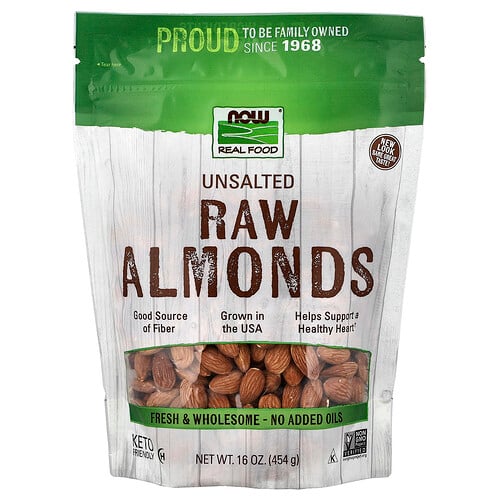
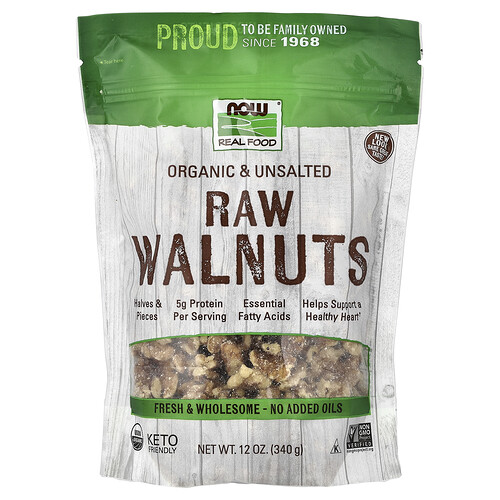
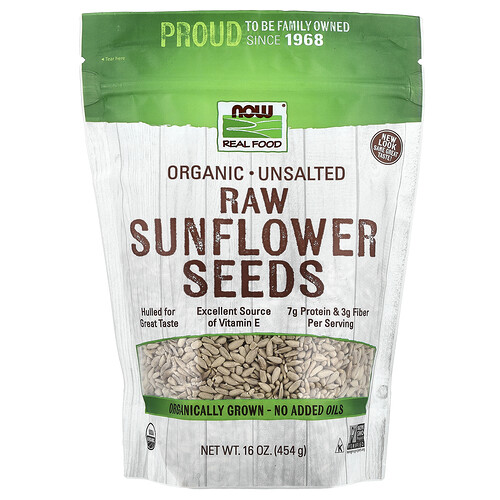
Think almonds, sunflower seeds, and walnuts. They’re loaded with selenium and vitamin E, which protect your skin from oxidative damage.
fatty fish
Full of omega-3 fatty acids, which reduce inflammation and help keep your skin smooth and hydrated.
Whole grains
Not only are they great for your metabolism, but they also support your body’s antioxidant systems.
RELATED POST: 6 Miracle Foods You Should Be Eating for Younger-Looking Skin
And while we’re on the topic, it’s best to avoid:
- Highly processed foods that are packed with empty calories and little to no nutrients.
- Sugary snacks, which can trigger inflammation and lead to breakouts.
- Excessive alcohol, which dehydrates and weakens your skin’s defenses.
- Fried foods, which contribute to oxidative stress.
A Mediterranean-style diet is often seen as the gold standard for skin health, with its focus on fresh produce, healthy fats, and lean proteins.
Found this helpful? Pin it for later so you can come back anytime.

4. Support Gut Health for Stronger Skin Defense
Your skin’s health isn’t just about what you put on the outside — it’s also about what’s going on inside.
A balanced gut microbiome is key to managing oxidative stress and inflammation, and when your gut’s in good shape, it helps your body absorb the antioxidants and vitamins your skin needs to stay protected.
Here’s how to give your gut some TLC:
Eat fiber-rich foods
Like vegetables, fruits, and legumes to keep your digestion smooth and your gut bacteria happy.
Incorporate probiotics
Think foods like yogurt, kefir, kimchi, or sauerkraut to introduce more “good” bacteria to your system.
I personally make homemade yogurt several times a week using the Luvele Pure Yogurt maker. I get creamy probiotic yogurt every time and I’ve noticed my digestion and skin health has improved after eating it regularly.
editor’s pick

Luvele Pure Yogurt Maker
Create creamy, probiotic-rich yogurt at home with precision temperature control for perfect results every time.
If you want to make kefir as well from scratch, then the Luvele Pure Plus Yogurt maker is a great choice.
great pick

Luvele Pure Plus Yogurt Maker
Make rich, probiotic-packed yogurt or kefir at home with precise temperature control and consistently smooth results.
include prebiotics
Add in onions, garlic, and bananas to your diet to help feed those healthy bacteria and help them thrive.
cut down on processed foods and refined carbs
They can throw off your gut balance.
stay hydrated
This help keep things moving and support digestion.
manage stress
Stress can wreak havoc on your gut bacteria, which in turn can affect your skin.
A healthy gut means your body absorbs nutrients better, strengthens its antioxidant defenses, and supports glowing, resilient skin from the inside out.
RELATED POST: 6 Powerful Steps to Boost Gut Health and Transform Your Skin
5. Manage Stress Effectively
Stress is more than just a mental load — it directly impacts your skin. Chronic stress spikes cortisol levels, and when that happens, free radicals are more likely to take over.
The good news?
You have the power to lower that stress and keep your skin glowing.
Here are a few ways to keep stress in check:
- Practice mindfulness meditation to quiet the mind and calm your nervous system.
- Get moving with regular exercise — whether it’s yoga, walking, or swimming, any physical activity can help reduce stress and improve skin health.
- Engage in hobbies or creative outlets that bring you joy and help you unwind.
- Prioritize quality sleep: Aim for 7 to 9 hours each night to give your body and skin the rest they need to recharge.
The less stress, the less oxidative damage — and your skin will thank you for it!
RELATED POST: 5 Reasons Why Stress Can Make You Age Faster
6. Incorporate Antioxidant Skincare
While eating antioxidant-rich foods is crucial, applying antioxidants directly to your skin is a game-changer.
Topical antioxidants work wonders because they target free radicals right where the damage happens — on the surface of your skin.
Here’s how to build an antioxidant-powered skincare routine:
- Morning: Start with an antioxidant serum followed by sunscreen. This gives your skin an extra layer of defense to fight off free radicals all day long.
- Night: Apply retinoids (vitamin A derivatives) to boost skin renewal, and follow up with a moisturizer rich in antioxidants to lock in hydration and protect overnight.
Some standout products to consider:
- Vitamin C serums (look for a 10%-20% concentration for the best results). A solid option is the Obagi Medical Professional Vitamin-C serum 10% (2 pack) from Amazon.
- Green tea extract creams to calm inflammation and fight oxidative stress
- Niacinamide boosters to improve your skin’s barrier function and brighten your complexion
- Resveratrol night treatments for powerful antioxidant protection as you sleep
Incorporating antioxidants into your skincare routine is a simple yet effective way to protect your skin from free radicals while helping it stay vibrant and youthful.
RELATED POST: 8 Antioxidant Benefits for Skin: How to Enhance Your Glow
7. Quit Smoking and Reduce Alcohol
Cigarette smoke is packed with free radicals — more than 10¹⁵ per puff! It accelerates skin aging, causing wrinkles and a dull complexion.
But alcohol can also play a role in increasing oxidative stress and dehydrating your skin.
If you smoke:
Seek smoking cessation support — there are plenty of programs, books, apps, and resources that can help you quit.
book tip

Easy Way to Stop Smoking
By Allen Carr
Looking to quit smoking? Then this book is a must-read!
Did you know? When you buy from Bookshop.org, you help support independent bookstores.
If you don’t smoke:
Avoid secondhand smoke exposure as much as possible, since it still harms your skin and overall health.
For alcohol:
- Limit alcohol consumption to reduce dehydration and minimize its impact on your skin.
- Opt for hydration — drink plenty of water alongside alcohol to keep your skin from drying out.
- Avoid binge drinking, which can lead to inflammation and skin damage.
By cutting back on both smoking and alcohol, you’ll reduce your skin’s exposure to free radicals and help keep it looking youthful.
RELATED POST: Sources of Free Radicals: From Pollution to Sun Exposure
8. Exercise Regularly
Exercise isn’t just great for your body — it’s fantastic for your skin too!
Regular, moderate exercise improves blood circulation, helping to deliver oxygen and nutrients to your skin while also boosting the production of natural antioxidants within your body.
Choose activities you love:
- Swimming
- Hiking
- Pilates
- Running
- Dance classes
Note: While exercise is a skin booster, overdoing it without proper recovery can actually increase oxidative stress. So, be sure to listen to your body and find that sweet spot where you’re getting the benefits without pushing too hard.
RELATED POST: You Want Amazing Skin? Work up a Sweat!
9. Use Gentle, Protective Cleansing
Cleansing is essential, but over-cleansing can strip your skin of its natural oils and protective barrier, leaving it more vulnerable to free radicals.
The goal is to clean without compromising your skin’s defense.
Best practices for gentle cleansing:
- Use sulfate-free cleansers to avoid drying out your skin.
- Avoid hot water — opt for lukewarm water instead to keep your skin from getting irritated.
- Limit exfoliation to 1-2 times a week, as over-exfoliating can damage your skin’s barrier.
- Pat dry your skin with a soft towel instead of rubbing it aggressively.
Look for cleansing formulas enriched with antioxidants, like green tea or chamomile, to protect your skin while you cleanse.
RELATED POST: Understanding the Role of Acid Mantle for Great Skin
10. Stay Hydrated
Water is essential not only for your overall health but also for keeping your skin functioning at its best.
Staying hydrated helps your skin detoxify and stay resilient against oxidative stress.
Here’s how to keep your skin hydrated:
- Drink at least 8 glasses (about 2 liters) of water daily to keep your body and skin properly hydrated.
- Add hydrating foods to your diet, like cucumber, watermelon, and oranges, to give your skin an extra boost.
- Use hydrating skincare products, such as those with hyaluronic acid or glycerin, to lock in moisture and keep your skin feeling soft and plump.
Hydrated skin is stronger and more resistant to free radical damage — so drink up and treat your skin with the moisture it deserves!
RELATED POST: Why Drinking Water is So Important for a Healthy Skin
Final Thoughts
Protecting your skin from free radicals is a crucial part of maintaining healthy, youthful skin.
By incorporating a few simple yet powerful habits — like loading up on antioxidants, practicing sun protection, staying hydrated, and reducing stress — you can help shield your skin from the harmful effects of oxidative stress.
Remember, what you put on your skin is just as important as what you put into your body.
By supporting your gut health, choosing gentle skincare, and adopting a balanced lifestyle, you’ll build a strong defense against free radicals.
And don’t forget, moderation is key: while it’s important to protect your skin, it’s just as vital to find balance — from exercise to alcohol consumption.
Ultimately, the choices you make today will have a lasting impact on your skin’s health and appearance.
So, start small, stay consistent, and watch your skin glow with vitality for years to come.
*This article is for informational purposes only and should not be considered medical or dermatological advice. Always consult with a dermatologist or qualified skincare professional for personalized recommendations tailored to your skin type and concerns.
Juszczyk, Gabriela et al. “Chronic Stress and Oxidative Stress as Common Factors of the Pathogenesis of Depression and Alzheimer's Disease: The Role of Antioxidants in Prevention and Treatment.” Antioxidants (Basel, Switzerland) vol. 10,9 1439. 9 Sep. 2021, doi:10.3390/antiox10091439. Adapted and used under the terms of the Creative Commons Attribution 4.0 International License.
Rembiesa, Jadwiga et al. "The Impact of Pollution on Skin and Proper Efficacy Testing for Anti-Pollution Claims." Cosmetics 5, no. 1: 4, 2018, https://doi.org/10.3390/cosmetics5010004. Adapted and used under the terms of the Creative Commons Attribution 4.0 International License.
Richards, Louisa. "What to know about antioxidants for skin." Medical News Today, medically reviewed by Joan Paul, MD, MPH, DTMH, Dermatology, 7 December 2022, https://www.medicalnewstoday.com/articles/antioxidants-for-skin#best-for-skin. Accessed 12 March 2024.
Sander, Megan et al. “The efficacy and safety of sunscreen use for the prevention of skin cancer.” CMAJ : Canadian Medical Association journal = journal de l'Association medicale canadienne vol. 192,50 (2020): E1802-E1808. doi:10.1503/cmaj.201085.
Silva, Silas Arandas Monteiro E et al. “An overview about oxidation in clinical practice of skin aging.” Anais brasileiros de dermatologia vol. 92,3 (2017): 367-374. doi:10.1590/abd1806-4841.20175481. Adapted and used under the terms of the Creative Commons Attribution Non-Commercial 4.0 International License.
Villines, Zawn. "How do free radicals affect the body?" Medical News Today, medically reviewed by Debra Rose Wilson, Ph.D., MSN, R.N., IBCLC, AHN-BC, CHT, 29 July 2017, https://www.medicalnewstoday.com/articles/318652. Accessed 12 March 2024.

Linda, co-founder of Courier Beauty, holds a BA in Fashion Marketing, a PG certificate in Fashion & Luxury Goods Management, and a Diploma in Natural Health Nutrition & Diet. Inspired by photography, food, and travel, she loves holistic beauty and nourishing the skin naturally.