

What Are Free Radicals? 9 Must-Know Facts for Healthy Skin
Free radicals aren’t just a fancy science term—they’re tiny troublemakers that can damage your skin, dull your glow, and even affect your hair.
These unstable molecules are produced naturally in your body, but too many of them can speed up aging and weaken your skin’s defenses.
Understanding what free radicals are and how they impact your skin is the first step to protecting your beauty from the inside out.
Luckily, there are simple ways to fight back and keep your skin looking radiant, youthful, and healthy.
Ready to learn how? Let’s dive in!
This post contains affiliate links, which means we may earn a commission if you purchase through our links—at no extra cost to you. As an Amazon Associate we earn from qualifying purchases. We only recommend products we use or trust. Learn more about affiliate marketing or read our full disclosure.
Understanding Healthy Skin and Free Radicals
If you want truly healthy, glowing skin, it all starts with understanding what free radicals are.
These tiny, unstable molecules might sound harmless, but they can quietly cause damage, speeding up signs of aging, dulling your natural glow, and even affecting the health of your hair.
Found this helpful? Pin it for later so you can come back anytime.

The good news?
Once you know what free radicals are and how they work, you can take simple steps to protect your skin and keep it looking its best.
To help you get started, here are 9 crucial facts about what free radicals are:
1. Free Radicals Are Tiny, Unstable Molecules
Free radicals are molecules with unpaired electrons—basically tiny sparks running around in your body.
On their own, they’re not always harmful.
But when they start multiplying, they can get destructive, attacking skin cells, proteins, and even DNA.
When free radicals outnumber antioxidants (the good guys), it leads to something called oxidative stress. That’s when your cells and tissues can start getting damaged — and that’s not good news.
RELATED POST: 7 Key Causes of Oxidative Stress on Skin and How to Prevent Them
The bottom line?
Your skin can look tired, dull, or prematurely aged if free radicals get out of control. Think of it like leaving candles burning unattended—one spark is fine, but too many can start a fire.
what you can do
The best defense against free radicals is antioxidants.
Think of them as peacekeepers — they step in and calm those unstable free radicals before they can damage your skin.
You’ll find antioxidants in foods like berries, leafy greens, nuts, and seeds. They’re such an easy way to give your skin extra support from the inside out.
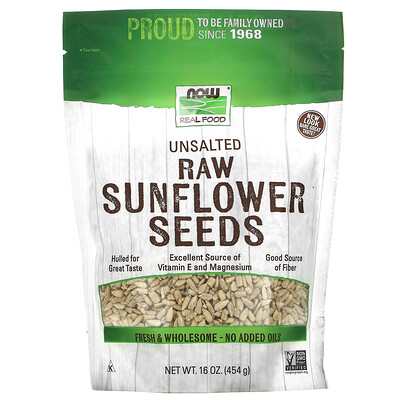
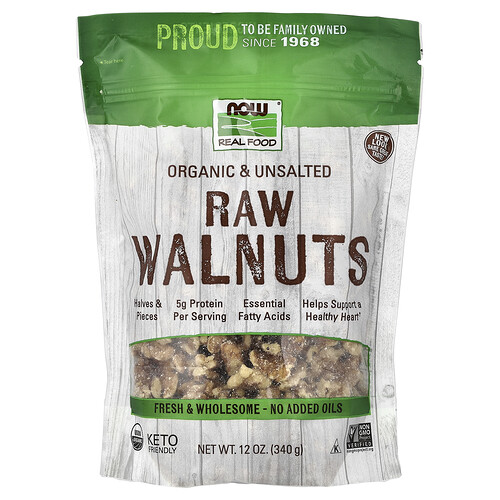
I love adding nuts and seeds to my daily routine because they’re packed with antioxidants and vitamin E, which help protect and repair the skin.
I usually eat 2–3 tablespoons of raw sunflower seeds in my yogurt — they’re high in fiber, packed with antioxidants, and research shows they help keep skin healthy.
A handful of chopped walnuts in my morning oatmeal gives a satisfying crunch and adds skin-supporting nutrients.
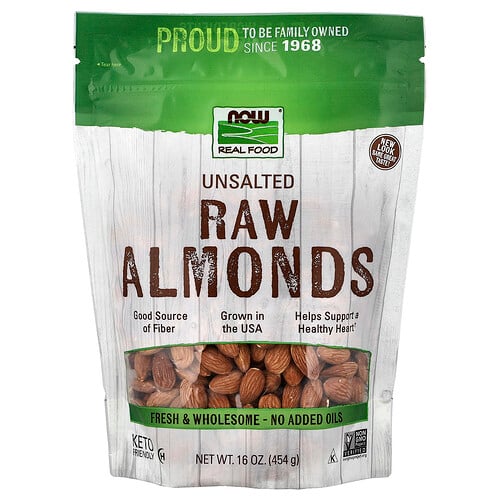
Almonds are my go-to snack for extra energy and skin boost.
One study found that postmenopausal women who ate almonds daily for 16 weeks had noticeably smaller and less severe wrinkles compared with a control group.
2. They Cause Skin Aging
One of the most visible effects of free radicals is accelerated skin aging.
When these tiny troublemakers go after collagen and elastin—the proteins that keep your skin firm and bouncy—they can cause a range of issues.
These include:
- Fine lines and wrinkles
- Sagging or loose skin
- A loss of your natural radiance
No wonder oxidative stress is often called the “hidden enemy of beauty”!
It’s like a slow leak in your skin’s foundation: over time, you notice the cracks.
RELATED POST: Signs of Oxidative Stress on Skin & How to Reduce It
What you can do
Protecting your skin with sunscreen every day — even on cloudy days — is a must.
Studies show that sunscreens can slightly change the skin barrier, but they also help calm redness and inflammation.
On top of that, wearing sunscreen daily is one of the best ways to help prevent skin cancer, dark spots, and premature aging.
A very popular choice is Supergoop! Unseen Sunscreen SPF 50, available on Amazon, a lightweight formula that protects your skin without leaving a greasy finish.
Pair it with antioxidant-rich foods or serums, and you’re giving your skin a real fighting chance.
3. Free Radicals Are Naturally Produced in the Body
Here’s a surprising fact: not all free radicals are bad.
Your body actually produces them naturally during normal processes:
- Metabolism: Turning food into energy creates some free radicals.
- Exercise: Workouts generate free radicals, but they can actually help strengthen skin and body resilience.
- Immune defense: Your body uses free radicals to fight infections.
At low or moderate levels, these free radicals are actually vital for health.
They help with immune defense, cellular communication, and even processes like blood flow and tissue repair.
So while too many free radicals can cause damage, your body really does need some of them to function properly.
The key is balance. Too many free radicals overwhelm your body’s defenses—including your skin—leading to damage.
Think of it like traffic: a few cars moving along is fine, but a jam causes problems.
What you can do
Balance your lifestyle with moderate exercise, a healthy diet, and stress management to help keep free radicals in check.
One of my favorite ways to do this is yoga. I’ve been practicing for about four years, and it’s not only strengthened my body and improved my posture, but it’s also a huge stress-reliever.
If you’re thinking of starting yoga at home or in the gym, I highly recommend the Liforme yoga mat (available on Amazon).
It’s a bit pricier than some, but the grip is amazing — no slipping in downward-facing dog — and the markers make it easy to position your hands and feet correctly.
It’s a small investment that makes a big difference in your practice.

Liforme Printed Yoga Mat – Free Yoga Bag Included – Patented Alignment System, Warrior-like Grip, Non-slip, Eco-friendly, Sweat-Resistant, Long, Wide, 4.2mm…
4. Pollution, Sun, and Lifestyle Increase Free Radical Levels
External factors can dramatically increase free radical numbers, putting your skin at risk.
These include:
- Sun exposure: UV rays generate free radicals that break down collagen and elastin.
- Pollution: Tiny particles from traffic, smoke, and the environment attack skin cells.
- Smoking & alcohol: Both increase oxidative stress, accelerating wrinkles.
- Processed foods: Sugary, fried, and highly processed foods encourage free radical formation.
Found this helpful? Pin it for later so you can come back anytime.

Think of these external aggressors as daily “attacks” on your skin. Protecting yourself is just as important as your skincare routine.
What you can do
Wear sunscreen, avoid heavy pollution exposure when possible, and eat a diet rich in antioxidants to help your skin defend itself.
RELATED POST: Sources of Free Radicals: From Pollution to Sun Exposure
5. Antioxidants Are Your Skin’s Best Friend
Luckily, your body has its own superhero squad: antioxidants. These molecules neutralize free radicals before they can cause damage.
Many antioxidants are also found in beauty products, offering extra protection.
Some of the most powerful include:
- Vitamin C: Brightens skin and evens tone.
- Vitamin E: Shields skin from sun damage and strengthens the barrier.
- Green tea extract & polyphenols: Calm inflammation and reduce redness.
- Selenium and carotenoids: Support skin elasticity and give a natural glow.
Using antioxidant-rich foods and skincare products can dramatically improve skin health. Think of antioxidants as tiny shields defending your skin from daily oxidative attacks.
RELATED POST: Antioxidants for Skin Aging: Unlock the Secrets to Youth
What you can do
Include berries, nuts, and leafy greens in your diet for a natural antioxidant boost.
For skincare, consider adding a vitamin C serum to your routine. One popular option is the Obagi Medical Professional-C Serum 10% (available on Amazon).
It helps brighten skin, even out tone, and protect against free radical damage.
6. Free Radicals Affect Hair and Nails Too
Free radicals aren’t just a skin problem—they can silently damage your hair and nails as well.
Oxidative stress can:
- Cause hair thinning and premature graying: That frizz or patch of gray hair? It could be a sign your hair’s cells are under attack.
- Make nails brittle and prone to breakage: Those annoying cracks or splits? Free radicals might be the culprit.
- Dull your hair’s natural shine and strength: Hair that feels lifeless or weak often reflects oxidative stress happening below the surface.
RELATED POST: How to Get Thicker, Healthier Hair (Even If It Feels Like You’re Losing It)
What you can do
Use topical antioxidants like serums with vitamin C or E, and eat a nutrient-rich diet full of leafy greens, berries, and nuts, can help protect your hair and nails from free radical damage—so they stay strong, shiny, and resilient.
Think of it as giving your hair and nails their own mini “armor” against daily stressors.
7. Free Radicals Can Lead to Chronic Beauty Problems
Chronic oxidative stress doesn’t just age your skin—it can also trigger ongoing skin issues.
Free radicals can contribute to:
- Acne and inflammation: They can worsen breakouts and leave redness behind.
- Uneven skin tone and hyperpigmentation: Dark spots and blotchy areas may appear as free radicals disrupt your skin’s natural repair process.
- Premature aging spots or sun spots: Even small, daily exposures to UV rays can add up over time.
Think of it like your skin constantly being under tiny “attacks” that, over time, leave visible marks.
RELATED POST: 6 Ways Free Radicals Damage Your Skin and How to Protect It
What you can do
Regularly use antioxidant-rich skincare, wear sunscreen daily, and maintain a healthy diet and lifestyle to protect your skin and keep it looking radiant and youthful.
If you’re prone to breakouts (I know I am), finding the right sunscreen can feel tricky.
A great option is the EltaMD UV Clear Broad-Spectrum SPF 46 (available on Amazon). It’s lightweight, non-greasy, and specifically formulated for sensitive or acne-prone skin—so you can protect against UV damage without worrying about clogged pores.
8. Some Free Radicals Are Actually Good
Surprise—free radicals aren’t always the enemy! In fact, some play important roles in keeping your body and skin healthy.
For example, they can:
- Help fight infections: Your immune system uses free radicals as tiny warriors against bacteria and viruses.
- Signal cell repair and regeneration: They alert your body when it’s time to heal damaged tissues.
- Support adaptation after exercise: Free radicals produced during workouts help your muscles and skin strengthen and recover.
The key is balance.
Too few free radicals, and your body might not respond properly to stress or repair itself. Too many, and your skin and hair could suffer.
Think of them like a controlled fire—useful when managed, destructive when out of control.
What you can do
Maintain a balanced lifestyle, including moderate exercise, a nutrient-rich diet, and antioxidant protection to keep free radicals in check while still benefiting from their positive effects.
9. Lifestyle Choices Can Keep Free Radicals in Check
You don’t have to be a passive victim—there are plenty of ways to fight free radicals and protect your skin, hair, and nails.
Simple lifestyle choices can make a big difference:
eat antioxidant-rich foods
Berries, leafy greens, nuts, and seeds help neutralize free radicals from the inside out.
use antioxidant skincare
Vitamin C serums, green tea, and niacinamide creams provide extra protection directly where your skin needs it.
protect your skin from the sun
Daily SPF shields your skin from UV-induced free radical damage.
avoid smoking and limit alcohol
Both increase oxidative stress and accelerate aging.
stay hydrated and get quality sleep
Your body repairs and rejuvenates itself best when well-rested and hydrated.
If you struggle to fall asleep, a silk sleep mask and a soothing pillow spray like this works Deep Sleep Pillow Spray (both available on Amazon) can help you drift off faster.
And while it may not help you sleep per se, a silk pillowcase (like Slip Silk Pillowcase) from Amazonis a beauty must-have—it reduces friction on your skin and hair, helping prevent wrinkles and frizz while you snooze.
By combining these habits, you give your skin, hair, and nails the tools they need to stay strong, radiant, and youthful—while keeping those pesky free radicals in check.
Think of it as building a full “defense system” for your beauty from the inside out.
RELATED POST: 10 Smart Ways to Protect Your Skin From Free Radicals
Final Thoughts
Free radicals might be invisible, but trust me—they can have a very real impact on how we look and feel.
From fine lines and dull skin to brittle nails and weaker hair, these tiny molecules can quietly affect your beauty—sometimes before you even notice.
The good news?
Once you understand what free radicals are and how they work, you can fight back.
By incorporating antioxidants into your skincare and diet, protecting yourself from the sun, and making a few healthy lifestyle choices, you can actually take control of how your skin, hair, and nails age.
It’s all about small, everyday habits that add up.
Take a moment each day to care for yourself—you’ll be surprised how much of a difference it makes. Your glow, strength, and confidence are worth it.
*This article is for informational purposes only and should not be considered medical or dermatological advice. Always consult with a dermatologist or qualified skincare professional for personalized recommendations tailored to your skin type and concerns.
Gonzalez-Bravo, Alicia et al. “The Effect of Sunscreens on the Skin Barrier.” Life (Basel, Switzerland) vol. 12,12 2083. 12 Dec. 2022, doi:10.3390/life12122083. Adapted and used under the terms of the Creative Commons Attribution 4.0 International License.
Laaraj, Salah, et al. “Nutritional, Pharmaceutical, and Health Benefits of Sunflower Seeds (Helianthus annuus L.): A Comprehensive Review of Food Applications.” Food and Humanity, vol. 5, 2025, p. 100641, https://doi.org/10.1016/j.foohum.2025.100641. Abstract only.
Pham-Huy, Lien Ai et al. “Free radicals, antioxidants in disease and health.” International journal of biomedical science : IJBS vol. 4,2 (2008): 89-96, https://pmc.ncbi.nlm.nih.gov/articles/PMC3614697/. Adapted and used under the terms of the Creative Commons Attribution 2.5 Generic License.

Malin, co-founder of Courier Beauty, has a BA in Fashion Marketing and a PG certificate in Fashion & Luxury Goods Management. She’s passionate about skin health through nutrition and creates content focused on radiant skin and holistic wellness.