

How to Get Thicker, Healthier Hair (Even If It Feels Like You’re Losing It)
Noticing more scalp than usual when you part your hair? Wondering where all that volume went?
You’re not alone—and no, it’s not just about getting older.
If your hair feels thinner than it used to, try not to panic. While not every case is fully reversible, there are plenty of ways to strengthen your strands, improve scalp health, and enhance the appearance of fuller hair.
In this guide, I’ll walk you through natural strategies to support your hair—from nourishing your body with the right nutrients to choosing effective treatments and tools.
Plus, I’ll share some easy styling tricks that can help you achieve the look of thicker hair right now.
Ready to take control and feel better about your hair? Let’s dive in!
This post contains affiliate links, which means we may earn a commission if you purchase through our links—at no extra cost to you. As an Amazon Associate we earn from qualifying purchases. We only recommend products we use or trust. Learn more about affiliate marketing or read our full disclosure.
Why Women’s Hair Thins—and What Makes It Worse
If your ponytail feels skinnier or you’re seeing more hair in the drain, you’re not imagining it. Nearly half of all women experience thinning hair at some point—and yes, it can feel like it comes out of nowhere.
One day things seem fine, the next you’re Googling how to get thicker hair.
So what’s going on?
Found this helpful? Pin it for later so you can come back anytime.

Here are some of the biggest culprits:
Hormones
Whether it’s postpartum estrogen dips, perimenopause, chronic stress, or thyroid issues, hormonal shifts can throw your hair into a shedding phase. (Yep, even more fun side effects of hormones.)
Nutrient Deficiencies
If your diet is low in iron, zinc, vitamin D, B vitamins, or protein, your hair follicles might not be getting what they need to do their job. Without the right fuel, growth slows—and strands can start to fall out faster than they grow in.
Scalp Health
Think of your scalp like the soil for your hair. If there’s buildup, inflammation, or poor circulation, your follicles can shrink or go dormant, making it harder to grow thicker, healthier hair.
Damage
Daily heat styling, coloring, chemical treatments, or even tight ponytails can slowly weaken follicles and cause breakage. Over time, that wear and tear really adds up.
How to Get Thicker Hair
Thinning hair doesn’t have to be the end of the story. With a layered approach—targeting the root causes—you may be able to reduce shedding, improve hair density, and even regrow some of what you’ve lost.
Let’s break it all down, one step at a time.
1. Hormones
Ah, hormones. The behind-the-scenes puppeteers of pretty much everything, including your hair.
Big shifts—like postpartum changes, perimenopause, or chronic stress—can send estrogen and progesterone levels crashing. When that happens, your hair might shift into a shedding phase called telogen effluvium.
It’s temporary, but it can feel like your hair is falling out faster than it’s growing back. Add thyroid imbalances to the mix, and things get even trickier.
So what can you do?
support your stress response
Stress raises cortisol, which can seriously disrupt the hair growth cycle.
Calming your nervous system—through short walks, breathwork, or even 10 minutes of yoga—can help slow down shedding.
What Science Says
Hair loss is increasingly linked to stress, especially in women and young people. High levels of the stress hormone cortisol can interfere with the hair follicle’s natural growth cycle by disrupting important molecules that keep follicles healthy. This stress response can slow down hair growth and increase shedding.
I’m a fan of Himalaya Organic Ashwagandha (available on Amazon), an adaptogen that’s been used for centuries to help the body handle stress more smoothly.
A soothing cup of Herbal Tea for Hormone Balance by Remedy & Restore can also be a calming bedtime ritual. And if you want something plant-based to help steady your mood and energy, Zen Spirit Maca Root Powder Organic is a great option to blend into smoothies.
Just remember—supplements aren’t a magic fix, and it’s always smart to check in with your healthcare provider before trying something new.
But paired with lifestyle changes, these little habits can help your hair (and you) feel a whole lot calmer.


balance from the inside out
If you’re navigating perimenopause, postpartum recovery, or general hormonal swings, nutrients like omega-3s, magnesium, and vitamin D are crucial. You can also look into hormone-supporting ingredients like DIM or Evening Primrose Oil.
Research shows that during menopause, blood flow to hair follicles declines, reducing delivery of nutrients like beta-carotene and omega-3s that keep the scalp hydrated and hair strong.
This makes hair more prone to breakage, oxidative stress, and everyday wear.
A nutrient-rich diet—and possibly supplements like biotin, zinc, iron, and vitamin D—can help support hormone balance and keep hair healthy.
That’s why focusing on a nutrient-rich diet is so helpful—and sometimes adding supplements can give you a little boost.
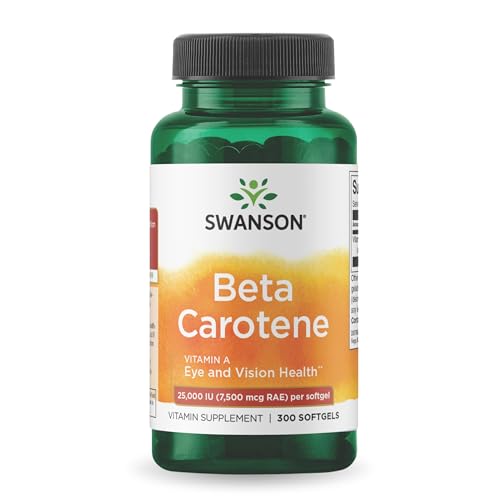
For example, you might consider Swanson Beta-Carotene Vitamin A 25,000 IU (available on Amazon) to support scalp hydration and Solgar Biotin 5000 mcg to help with healthy hair and nails.
Solgar Zinc 50 mg supports skin and hair health and also helps reduce inflammation that can irritate your scalp and follicles.
Of course, check in with your healthcare provider before starting anything new, but adding these nutrients could help your hair feel stronger and healthier from the inside out.


check your thyroid
If your hair loss is sudden or paired with fatigue, dry skin, or brain fog, talk to your doctor about checking thyroid levels—especially TSH, free T3, and free T4.
Thyroid-related hair thinning is incredibly common, and often underdiagnosed.
What Science Says
Thyroid hormones help regulate hair follicle growth, metabolism, and repair. When these hormones are out of balance—whether too high or too low—the result can be widespread shedding. Scientists also note that thyroid-related hair loss can sometimes appear before other symptoms, making early testing even more valuable.
2. Nutrient Deficiencies
Even if you’re eating “pretty healthy,” it’s surprisingly easy to miss out on the nutrients your hair needs to grow thick and strong.
Hair isn’t essential for survival (rude, right?), so when your body’s low on key vitamins and minerals, it reroutes those nutrients to more vital functions—leaving your follicles underfed and underperforming.
Low levels of iron, zinc, vitamin D, B vitamins (especially biotin), and protein are some of the most common triggers for slow growth and excess shedding.
So, what helps?
get your levels checked
Before loading up on random supplements, ask your doctor for a basic nutrient panel that includes iron/ferritin, vitamin D, and B12.
Studies have found that women dealing with hair loss often have lower iron stores (ferritin) and vitamin D levels than those who aren’t shedding.
And here’s the kicker—even if your ferritin falls into the “normal” range, it might still be too low for your hair to grow its best.
Getting these levels checked can be a simple first step toward figuring out what’s really behind the shedding.
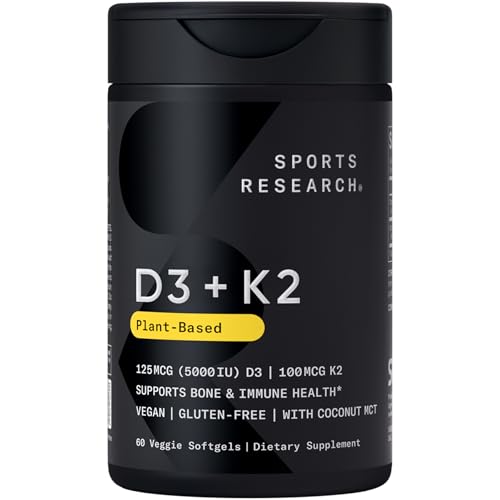
Once you know your levels, you can consider supplements like Sports Research® Vitamin D3 + K2 with Coconut Oil (available on Amazon) to help boost your vitamin D, and Solgar Gentle Iron capsules if your iron needs a lift—these are easy on your stomach and great for supporting healthy hair growth.

fill in the gaps with targeted support
If your diet is limited, or you’re recovering from illness, postpartum, or stress, a hair-focused multivitamin that covers the essentials can be a smart choice.
Two popular options are Nutrafol Women’s Hair Growth Supplements (for ages 18–44) and Nutrafol Women’s Balance (for ages 45 and up), both available on Amazon. Many users say they’ve noticed thicker, healthier hair over time.
That said, everyone’s body reacts differently—some people have reported side effects like stomach discomfort.
So, it’s a good idea to chat with your healthcare provider before trying them out, just to make sure they’re a good fit for you.


don’t forget protein
Hair is made of keratin, a protein. If you’re not getting enough—especially on a plant-based or low-calorie diet—your hair may not have the building blocks it needs to grow.
Aim for 20–30g of protein per meal if you’re actively trying to regrow or thicken your hair.
What Science Says
Research shows that severe protein malnutrition—like in extreme low-calorie diets—can lead to hair thinning and loss. Without enough of protein, follicles can’t work at full capacity. Some studies even suggest that certain amino acids, like L-lysine, may help the body absorb hair-healthy minerals such as iron and zinc, though more research is needed.
To boost your protein intake, I’m a huge fan of Sports Research Collagen Peptides (available on Amazon)—it’s an easy way to add protein and amino acids that support your hair, skin, and nails.

Sports Research Collagen Peptides for Women & Men, Unflavored, 16 oz., Hydrolyzed Type 1 & 3 Collagen Powder Protein Supplement for Healthy Skin, Nails,…
bonus: Omega-3s
Healthy fats keep the scalp and follicles nourished, and they help reduce inflammation that can block growth. You can get them from fatty fish—or take a daily omega-3 supplement.
What Science Says
One study followed women with thinning hair for six months and found that those taking omega-3 and omega-6 supplements (plus antioxidants) had thicker, denser hair and noticed less shedding. Even under the microscope, more of their hair was in the growth phase instead of the shedding phase.
For a reliable boost, you can try Sports Research Omega-3 Fish Oil, Triple Strength (available on Amazon). It delivers a potent dose of EPA and DHA to support your scalp health, reduce inflammation, and promote stronger, fuller hair.

Sports Research Triple Strength Omega 3 Fish Oil – Burpless Fish Oil Supplement w/EPA & DHA Fatty Acids from Single-Source Wild Alaskan Pollock – 1250 mg,…
Signs You Might Be Low in Key Nutrients
If you’re dealing with any of these, it could be a clue your hair (and body) isn’t getting everything it needs:
- Shedding more than usual, especially at the crown or temples
- Hair that’s slow to grow, dry, or breaks easily
- Brittle nails or frequent nail splitting
- Feeling tired or run down, even with enough sleep
- Pale skin or dark circles under the eyes
- Cravings for ice, salt, or unusual foods (can be a sign of low iron)
- Tingling in hands or feet (can be linked to low B12)
If a few of these sound familiar, it’s worth talking to your doctor or trying a high-quality supplement to help fill in the gaps.
Found this helpful? Pin it for later so you can come back anytime.

3. Scalp Health
When we think about hair growth, we often focus on the strands—but the real magic happens at the scalp.
If your scalp isn’t healthy, your hair has a much harder time growing in strong, thick, and shiny.
Things like product buildup, inflammation, poor circulation, or even overly dry skin can shrink follicles or push them into “rest mode.” Over time, that leads to thinning and slow regrowth.
So what can you do?
clean the canvas
Scalp buildup (from dry shampoo, oils, or hard water) can block follicles and mess with your hair’s growth cycle.
A gentle exfoliating scalp treatment once a week can help unclog pores and create a healthier environment for hair to grow.
Two great options to try are VIRTUE Exfoliating Scalp Treatment, which gently sweeps away buildup while nourishing your scalp, and Act+Acre Cold Processed Scalp Detox, which uses plant-based oils to clear impurities without stripping. You can find them on Amazon.
stimulate circulation
Healthy blood flow brings oxygen and nutrients to the follicles, which is crucial for thicker hair. A few minutes of daily scalp massage can make a big difference—and it feels amazing.
In fact, research shows that just 4 minutes a day of scalp massage over 24 weeks can increase hair thickness and even influence the genes involved in hair growth. Plus, many people who try scalp massage report less hair loss or regrowth, making it a simple and promising way to support your hair.
For a little extra boost, try tools and treatments that make scalp massage even more effective.
The Act+Acre Scalp Gua Sha helps you apply gentle pressure to increase circulation, while their Cold Processed Stem Cell Serum (available on Amazon) nourishes follicles during massage.
The VIRTUE Flourish Manta Brush glides easily without snagging, making it a pleasure to give yourself those daily 4-minute massages.
reduce inflammation + Reawaken follicles
Here’s where high-tech meets hair health.
Red light therapy has been clinically proven to boost blood flow, reduce inflammation, and stimulate dormant follicles—especially helpful if you’re dealing with thinning or hormonal shedding.
Turns out, inflammation is a major player when it comes to hair loss.
Whether it’s stress, pattern baldness, or other types, inflammation can push your hair follicles out of their growth phase and into a shedding phase faster than normal.
Scientists have even found immune cells hanging out around the follicles in people experiencing hair loss.
So, using treatments like red light therapy that calm inflammation and boost blood flow isn’t just a nice bonus—it can actually help wake up those sleepy follicles and get your hair growing again.
If you’re curious about red light therapy, the CurrentBody LED Hair Regrowth Helmet uses FDA-cleared wavelengths to help boost scalp circulation and awaken hair follicles.
It’s hands-free, easy to use, and designed for all hair types.

CurrentBody Skin LED Hair Growth Helmet | FDA-Cleared | At Home Red Light Therapy for Hair Loss, Hairline Growth, & Top Hair Growth
Use code COURIERCB at checkout to save 10%.
wash smarter, not harsher
Over-washing with harsh shampoos can strip your scalp and weaken your follicles. Look for sulfate-free formulas with scalp-soothing ingredients like tea tree, peppermint, or salicylic acid.
One of my favorite shampoos for scalp care is Sachajuan Scalp Shampoo, available on Amazon. It’s sulfate-free and gentle, keeping the scalp clean and balanced without drying it out.
Is Your Scalp Sabotaging Your Hair?
Your scalp might be low-key working against your hair goals if you notice:
- Greasy roots but dry, brittle ends
- Itching, flaking, or redness
- Dull or limp hair that doesn’t seem to grow
- Increased shedding or hair that won’t grow past a certain length
- Reliance on dry shampoo more than a couple times a week
- Tightness or soreness on your scalp (yes, that’s a thing!)
If any of these sound familiar, it’s time to show your scalp some love.
A few small changes—like weekly exfoliation or adding red light therapy—can make a major difference in growing thicker, healthier hair.
4. Damage
Sometimes the biggest threat to thicker hair isn’t what’s happening inside your body—it’s what you’re doing to your hair every day without even realizing it.
Heat styling, coloring, chemical straightening, and tight hairstyles all chip away at your hair’s strength over time.
And while one blowout or balayage session won’t ruin your hair, repeated damage can cause breakage, thinning, and stunted growth.
So what can you do?
give your strands a break
It doesn’t mean swearing off heat tools forever, but aim for a few heat-free days a week. When you do style, always use a good heat protectant—like Oribe Invisible Defense Universal Protection Spray (available on Amazon)—and keep the temperature low.
More heat doesn’t equal better results; it just causes more damage.
Be gentle with wet hair
Wet strands are fragile. Avoid brushing aggressively right after the shower—use a wide-tooth comb or a detangling brush starting from the ends and working your way up.
The Mason Pearson Detangling Comb is perfect for gently working through wet hair without causing breakage.
When your hair is dry, the Mason Pearson Popular Mixture Hair Brush, available on Amazon, is ideal for smoothing and styling while minimizing damage. I’ve had my Mason Pearson brush for many years and absolutely love it.
Both of these tools are designed to be gentle on your strands, helping reduce tugging and split ends.
treat your hair like delicate fabric
Tight ponytails and slick buns can stress your strands, so try switching to looser styles whenever you can.
I love using Slip Pure Silk scrunchies from Amazon instead of regular elastics—they’re way gentler and help prevent breakage. Sleeping on a Slip silk pillowcase also cuts down on friction, keeping your hair smoother overnight. (You can find both on Amazon).
And after washing, a microfiber hair towel like the Act+Acre Microfiber Hair towel from Amazon is perfect for gently drying without roughing up your hair.
deep condition and rebuild
If your hair feels dry, rough, or frayed at the ends, weekly deep treatments can help repair and strengthen the cuticle.
If you use heat tools often, look for protein-based masks like the Moroccanoil Restorative Hair Mask to rebuild your hair’s structure. For extra moisture and softness, the VIRTUE Restorative Treatment Mask is a great option that leaves hair feeling nourished and healthy. Both are available on Amazon.
Could Your Styling Habits Be Causing Breakage?
You might be damaging your hair without even realizing it.
Watch out for these common culprits:
- Blow-drying on high heat without a protectant
- Daily use of flat irons or curling wands
- Tight buns, ponytails, or braids (especially when wet)
- Sleeping with wet hair or cotton pillowcases
- Over-brushing or yanking tangles from the root
- Skipping regular trims to “grow it out”
Small tweaks to your routine can lead to much stronger, thicker hair over time—no dramatic haircuts required.
Quick Styling Tricks to Fake Thicker Hair (While You Grow It Back)
Waiting for your hair to grow thicker can feel like forever—but luckily, there are some easy styling hacks to give your hair an instant boost.
These tricks create volume, texture, and the illusion of fuller hair without any damage:
Dry Shampoo Is Your BFF
Dry shampoo isn’t just for oily roots—it’s also great for adding texture and grip to limp hair, making styling way easier and boosting volume.
Just spray at the roots, then gently massage or fluff with your fingers.
Some favorites include Oribe Gold Lust Dry Shampoo, Act+Acre Fulvic Acid Volumizing Dry Shampoo, and VIRTUE Dry Shampoo (all available on Amazon). Each brings something a little different to the table, so you can find what works best for you.
Play With Your Part
Switching your part to the opposite side instantly lifts roots and disrupts flatness. Bonus: it gives your scalp a fresh reset.
Use a Volumizing Mousse or Spray
Lightweight formulas that don’t weigh hair down are key. Apply at the roots on damp hair and blow-dry for noticeable lift.
R+Co RODEO STAR Thickening Style Foam from Amazon is a popular choice. It is airy, easy to work with, and gives instant volume and fullness—without making hair stiff or sticky. Just work it into damp roots and blow-dry for that bouncy, lifted look.
Try Texturizing Powders or Sprays
Oribe Dry Texturizing Spray from Amazon adds just the right amount of grit and separation to fine hair, giving you effortless volume and texture without the heaviness. Perfect for those days when your hair needs that extra oomph.
Consider Clip-in Hair Extensions
If you want an instant and dramatic volume boost for special occasions, these are a great option—just be sure to choose high-quality, lightweight pieces that won’t stress your scalp.
Final Thoughts
Thicker, healthier hair is something a lot of us want, but it’s important to remember that results can vary from person to person.
Improving your nutrition, taking care of your scalp, and sticking to a solid hair care routine can definitely make a difference. However, some causes of thinning—like genetics or medical conditions—might not be completely reversible.
That said, even if your hair doesn’t go back to how it was, taking care of it can still help you maintain what you have, slow down further shedding, and improve its overall look and feel.
Sometimes, it’s about making the best of what you’ve got and finding styles and treatments that help you feel more confident.
If you’re noticing a lot of hair loss or shedding that feels sudden or extreme, it’s always a good idea to talk to a doctor or dermatologist. They can help pinpoint any underlying causes and suggest treatments that are right for you.
At the end of the day, this is your journey—and every step you take toward caring for your hair is a win.
Whether you’re hoping to bring back some volume or just keep your hair healthy, you’ve now got the knowledge and tools to start making those positive changes.
*This article is for informational purposes only and should not be considered medical or dermatological advice. Always consult with a dermatologist or qualified skincare professional for personalized recommendations tailored to your skin type and concerns.
Hasan, Rishi et al. “Effects of Hormones and Endocrine Disorders on Hair Growth.” Cureus vol. 14,12 e32726. 20 Dec. 2022, doi:10.7759/cureus.32726. Adapted and used under the terms of the Creative Commons Attribution 4.0 International License.
Hussein, Ramadan S et al. “Impact of Thyroid Dysfunction on Hair Disorders.” Cureus vol. 15,8 e43266. 10 Aug. 2023, doi:10.7759/cureus.43266. Adapted and used under the terms of the Creative Commons Attribution 4.0 International License.
Le Floc'h, Caroline et al. “Effect of a nutritional supplement on hair loss in women.” Journal of cosmetic dermatology vol. 14,1 (2015): 76-82. doi:10.1111/jocd.12127. Abstract only.
Natarelli, Nicole, Nimrit Gahoonia, and Raja K. Sivamani. “Integrative and Mechanistic Approach to the Hair Growth Cycle and Hair Loss.” Journal of Clinical Medicine, vol. 12, no. 3, 2023, p. 893, https://doi.org/10.3390/jcm12030893. Adapted and used under the terms of the Creative Commons Attribution 4.0 International License.
Rani, Seema, et al. “An Analytical Study of Serum Ferritin, Vitamin D, and Thyroid Function in Females with Diffuse Hair Loss.” Indian Journal of Dermatopathology and Diagnostic Dermatology, vol. 9, no. 1, Jan.–Jun. 2022, pp. 10–14, doi:10.4103/ijdpdd.ijdpdd_19_21. Abstract only.
Rinaldi, Fabio et al. “The Menopausal Transition: Is the Hair Follicle "Going through Menopause"?.” Biomedicines vol. 11,11 3041. 14 Nov. 2023, doi:10.3390/biomedicines11113041. Adapted and used under the terms of the Creative Commons Attribution 4.0 International License.

Linda, co-founder of Courier Beauty, holds a BA in Fashion Marketing, a PG certificate in Fashion & Luxury Goods Management, and a Diploma in Natural Health Nutrition & Diet. Inspired by photography, food, and travel, she loves holistic beauty and nourishing the skin naturally.