


The Best Foods for Skin: Essential Nutrients for a Healthy, Beautiful Glow
Achieving healthy, glowing skin is something many of us dream about, right?
While your favorite creams and serums can give your skin a boost, the real magic often starts on your plate. The foods you eat play a huge role in your skin’s health, nourishing, protecting, and even rejuvenating it from the inside out.
From helping your skin stay hydrated to boosting collagen and fighting inflammation, what you eat can truly make a noticeable difference.
In this article, we’re going to dive into the essential nutrients that keep your skin looking radiant, smooth, and youthful—and uncover the best foods for skin that you’ll want to add to your grocery list.
Let’s begin!
This post contains affiliate links, which means we may earn a commission if you purchase through our links—at no extra cost to you. As an Amazon Associate we earn from qualifying purchases. We only recommend products we use or trust. Learn more about affiliate marketing or read our full disclosure.
Food as Skincare: Nourish Your Glow from the Inside Out
When I hit my 30s, like a lot of people, I thought it was finally time to “get serious” about skincare. I invested in expensive, popular products, used a cleansing brush every day, and layered on serums and creams.
At first, my skin looked better than ever—and I was convinced all those pricey products were the reason.
But over time, something changed.
Found this helpful? Pin it for later so you can come back anytime.

My skin started reacting. I began breaking out, and for the first time in my life, I had acne. It got bad—really bad.
I’d never had skin problems before, and suddenly my complexion was inflamed, irritated, and unpredictable.
That’s when I realized something wasn’t right.
It took a while, but I eventually figured out that my skin wasn’t “getting worse”—it was overwhelmed. All those strong products were stripping my skin barrier and throwing everything out of balance.
So I did the opposite of what I’d been told: I simplified. I switched to gentler skincare and learned that when it comes to my skin, less is more.
That shift made a huge difference—but the real transformation happened when I started focusing on what I was eating. Instead of trying to fix my skin with more products, I focused on nourishing it from the inside.
Gradually, my skin calmed down. The breakouts faded. And before I knew it, my skin looked healthier and more radiant than it ever had before.
Most of us don’t realize just how much the foods we eat affect our skin.
We’re taught that skincare products are the magic solution, and while they absolutely have their place, using too many harsh products can actually backfire.
Healing your skin from within—through the best foods for skin and the right nutrients—creates results that last.
With that in mind, let’s explore the best foods for skin by looking at the essential nutrients that can help you achieve that radiant glow from the inside out:
1. Vitamin C: The Collagen Booster for Youthful Skin
If there’s one nutrient that can give your skin a real glow-up, it’s vitamin C.
Research shows that vitamin C supports the cells in your skin that make collagen (fibroblasts) and helps maintain the balance between collagen and elastin, which keeps your skin firm, elastic, and youthful.
Collagen naturally decreases as we age, so getting enough vitamin C helps your skin stay strong, smooth, and radiant from the inside out.
Best sources of vitamin C:
Citrus Fruits
Think oranges, grapefruits, lemons, and limes. Just one medium orange (about 140g) can cover roughly 85% of your daily vitamin C needs!
berries
Strawberries, blueberries, raspberries, and blackberries aren’t just delicious—they’re packed with vitamin C and powerful antioxidants that support healthy, youthful-looking skin.
Research shows berries are rich in polyphenols and anthocyanins that help reduce skin inflammation and protect against UV and environmental damage.
Bell peppers
These colorful veggies aren’t just pretty on your plate—they’re also vitamin C-rich and easy to toss into salads, stir-fries, or roasted dishes.
kiwi
Tiny but mighty, kiwi delivers a solid dose of vitamin C plus some extra fiber.
Clinical studies show that increasing dietary vitamin C intake—like eating more kiwi—can raise vitamin C levels in the skin itself.
This boost has been linked to thicker skin and more active skin cell growth, helping your skin stay resilient and healthy.
Easy Ways to Add Vitamin C to Your Diet:
- Eat fruit like oranges for a naturally sweet and vitamin-packed start to your day.
- Toss bell pepper slices into your salads or wraps for a crunchy, vitamin-packed punch.
- Snack on berries, or stir them into yogurt or smoothies for a sweet, skin-friendly treat.
How Much Should You Eat?
Aim for at least 3 servings of vegetables and 2 servings of fruit each day to support overall health and glowing skin.
2. Vitamin E: The Antioxidant That Protects Your Skin
Think of vitamin E as your skin’s personal bodyguard. This fat-soluble antioxidant helps protect skin cells from damage caused by oxidative stress, pollution, and UV exposure.
Vitamin E is especially effective at neutralizing free radicals—the unstable molecules that can accelerate skin aging. It also protects the skin’s natural fats, helping maintain a strong, healthy skin barrier and keeping skin smooth and resilient.
On top of that, vitamin E has anti-inflammatory properties that can help calm irritation and redness, making it especially beneficial for sensitive or stressed skin.
Skin Tip: Vitamin E works even better when paired with vitamin C. Vitamin C helps “recharge” vitamin E, boosting its antioxidant power and improving protection against UV damage and environmental stress.
Best sources of vitamin E:
nuts and seeds
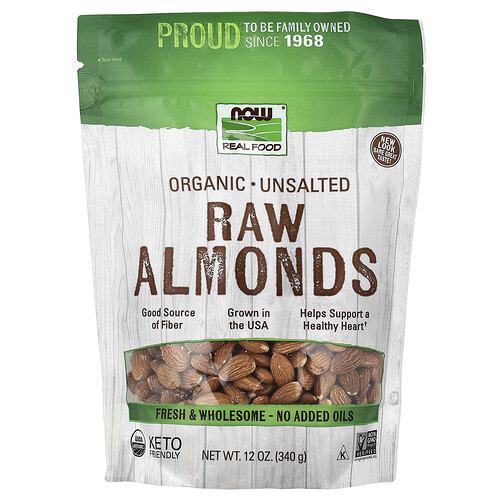
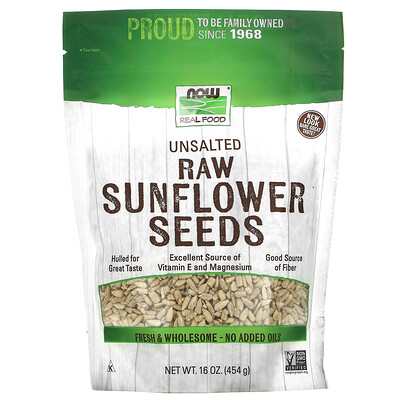
Almonds, sunflower seeds, hazelnuts, and peanuts are excellent sources of vitamin E, a key antioxidant for healthy skin.
Studies show that regularly eating almonds may help reduce wrinkle severity and improve skin tone, while sunflower seeds provide antioxidant and anti-inflammatory compounds that help protect skin cells from oxidative stress.
If you want a convenient way to make sure you’re getting your vitamin E every day, I really like NOW Foods Organic Raw Almonds and NOW Foods Raw Sunflower Seeds from iHerb.
They’re unsalted, unprocessed, and super easy to add to your routine—toss them on salads, stir them into yogurt or oatmeal, or just enjoy a handful as a snack.
It’s such a simple way to give your skin a boost while also satisfying that craving for something crunchy and delicious.
leafy greens
Spinach, Swiss chard, and kale aren’t just nutrient powerhouses—they’re great for your skin too.
These greens are rich in dietary phytochemicals, natural compounds that help fight free radicals, reduce inflammation, and protect your skin from UV damage.
Did You Know? Some phytochemicals even support collagen production, helping your skin stay firm, smooth, and youthful-looking.
avocados
Creamy, delicious, and full of healthy fats, avocados are perfect for keeping your skin hydrated and protected.
Rich in antioxidants and nutrients, avocados can help support collagen production, improve skin elasticity, and maintain moisture, making your skin look smooth, supple, and healthy.
They’re beneficial both when eaten as part of your diet and when used in skincare products.
Extra virgin olive oil
Extra virgin olive oil is rich in vitamin E and monounsaturated fats, which help lock moisture into your skin.
Research shows that regularly consuming olive oil may help reduce visible signs of photoaging (sun and age damage), supporting smoother, healthier-looking skin.
Quattrociocchi Superbo Organic Extra Virgin Olive Oil from Olive Oil Lovers is a great choice. It’s organic, rich in polyphenols, and one of the healthiest options available.
Not only does it add delicious flavor, but the vitamin E and monounsaturated fats help lock moisture into your skin, supporting a healthy, radiant glow.

Quattrociocchi Superbo Organic
Easy Ways to Add Vitamin E to Your Diet:
- Snack on a handful of almonds or sunflower seeds whenever hunger strikes.
- Add creamy avocado slices to your salads or toss them into smoothies for a silky texture.
- Use olive oil as a dressing on salads or as a base for sautéing vegetables—it’s a simple way to nourish your skin while cooking.
How Much Do You Need?
Women aged 14 and older need about 15 mg of alpha-tocopherol (vitamin E) per day to support skin health and maintain overall immune function.
3. Omega-3 Fatty Acids: Hydration and Skin Elasticity
If your skin has been feeling dry, dull, or a little less bouncy than you’d like, omega-3 fatty acids can be a game-changer.
These essential fats help maintain hydration, improve elasticity, and calm inflammation, supporting smoother, healthier-looking skin.
Omega-3s are incorporated into skin cell membranes, helping lock in moisture and protect against environmental stressors. They can also reduce redness, puffiness, and irritation while supporting the skin’s natural healing processes.
Best sources of Omega-3 Fatty Acids:
fatty fish
Salmon, mackerel, sardines, and trout are packed with omega-3s that help keep your skin plump and smooth.
Research also shows that eating oily fish may reduce acne risk and calm inflammation, making it a skin-friendly addition to your diet.
chia seeds
Tiny but mighty, chia seeds are loaded with omega-3s, fiber, and antioxidants—perfect for your skin and overall health.
Specialized chia extracts like HYVIA™ have been shown to boost skin hydration and strengthen the skin barrier, thanks to their high vitamin F content (ALA + LA).
Mamma Chia Organic Chia Seeds from iHerb are a great pick if you want an easy, everyday way to boost your intake of omega‑3s, fiber, and antioxidants.
They’re organic, versatile, and have a mild flavor that works with everything—smoothies, yogurt, oatmeal, or even sprinkled on salads.
Adding them to your meals is an effortless way to help keep your skin hydrated, support elasticity, and promote overall skin health.
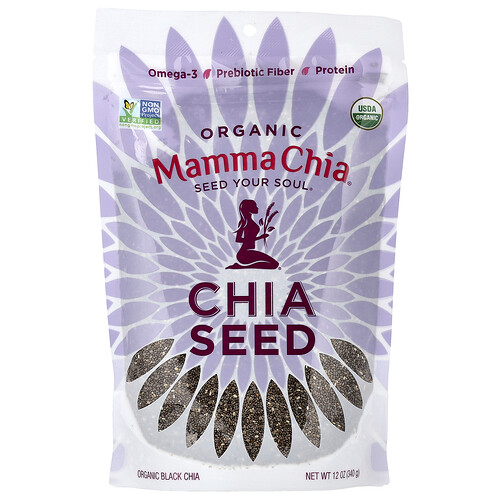
Mamma Chia, Organic Chia Seed, 12 oz (340 g)
walnuts
A crunchy, satisfying snack that’s also a plant-based source of omega-3s and zinc, essential for skin healing.
Walnuts are rich in antioxidants and anti-inflammatory compounds that help protect skin cells, reduce oxidative stress, and support healthy immune function for overall skin wellness.
NOW Foods, Real Food, Organic Raw Walnuts, Unsalted from iHerb are a solid choice if you want high‑quality nuts you can feel good about. They’re organic, raw, and unsalted, so you’re getting nothing but wholesome walnuts without any added oils or salt.
That means you’re maximizing the omega‑3s and zinc your skin loves, while also keeping your snacks clean and simple.
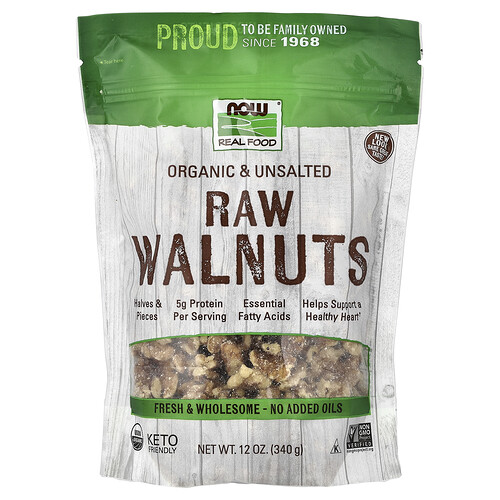
NOW Foods, Real Food, Organic Raw Walnuts, Unsalted, 12 oz (340 g)
flaxseeds
Ground flaxseeds are easy to sprinkle on oatmeal, smoothies, or salads for a simple omega-3 boost.
They’re rich in ALA (a plant-based omega-3), fiber, and antioxidants, which can help support skin health, reduce inflammation, and even aid in wound healing.
NOW Foods, Real Food, Organic Flax Seeds from iHerb are a great choice if you want a simple, high-quality way to boost your omega‑3 intake. They’re organic and minimally processed, so you get all the heart- and skin‑healthy nutrients without any unnecessary additives.
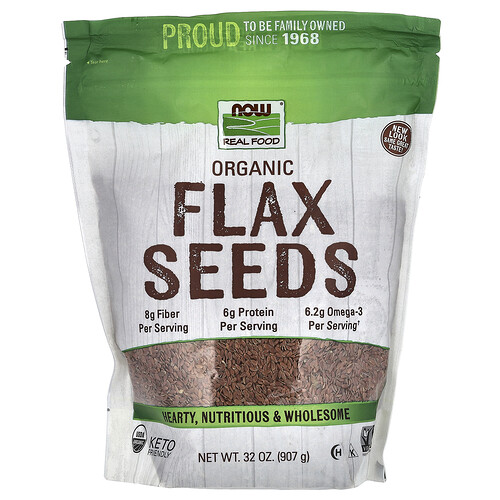
NOW Foods, Real Food, Organic Flax Seeds, 32 oz (907 g)
Easy Ways to Add Omega-3s to Your Diet:
- Enjoy a piece of grilled salmon a few times a week for dinner.
- Mix chia seeds into your morning smoothie or sprinkle them over yogurt.
- Snack on a handful of walnuts or toss them into salads for an added crunch and skin benefits.
How Much Do You Need?
Women aged 14 and older need about 1.1 g of alpha-linolenic acid (ALA) per day. This essential omega-3 fatty acid supports skin health, heart function, and overall cell protection.
Found this helpful? Pin it for later so you can come back anytime.

4. Zinc: The Acne-Fighting Mineral
If you’ve ever struggled with breakouts, zinc might just become your new skin BFF.
This essential mineral plays a key role in skin health, supporting cell regeneration, stabilizing cell membranes, and helping maintain proper skin function.
One of zinc’s biggest benefits for acne-prone skin is its anti-inflammatory power. It participates in antioxidant defense systems and helps calm inflammatory responses in the skin — which is especially important when dealing with red, irritated breakouts.
Zinc also supports normal skin cell turnover and wound healing by contributing to basal cell mitosis and tissue repair.
That means it doesn’t just help with active breakouts — it also supports faster recovery of post-acne marks and minor skin injuries.
Best sources of zinc:
Pumpkin Seeds
These tiny, crunchy seeds are a powerhouse when it comes to skin-supportive nutrients.
Pumpkin seeds are rich in minerals and bioactive compounds, including antioxidants, fatty acids, and polyphenols that contribute to overall skin health.
They are also well known as one of the better plant-based sources of zinc — making them an easy, skin-friendly snack that supports immune function, tissue repair, and balanced skin from the inside out.
NOW Foods, Organic Raw Pumpkin Seeds, Unsalted from iHerb are an easy, high-quality way to get your daily zinc. They’re organic, raw, and unsalted, so you’re enjoying all the skin-healing nutrients without any added oils or salt.
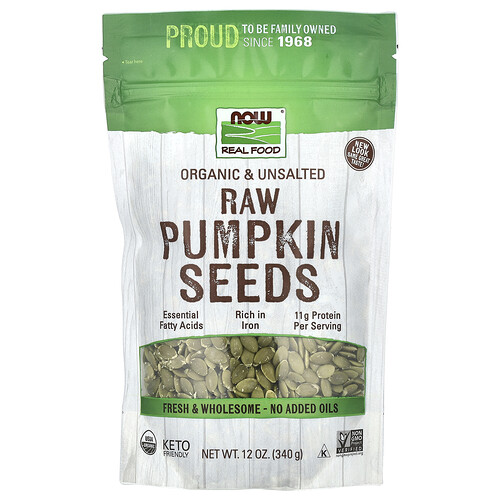
NOW Foods, Organic Raw Pumpkin Seeds, Unsalted, 12 oz (340 g)
Chickpeas
High in zinc, fiber, and plant-based protein, chickpeas are as versatile as they are skin-friendly.
Research shows that chickpeas contain approximately 4 mg of zinc per 100 g, with some varieties ranging even higher depending on genotype and growing conditions.
Arrowhead Mills Organic Chickpeas from iHerb are a convenient, high-quality way to add skin-friendly nutrients to your diet. They’re organic, versatile, and packed with zinc, fiber, and plant-based protein.
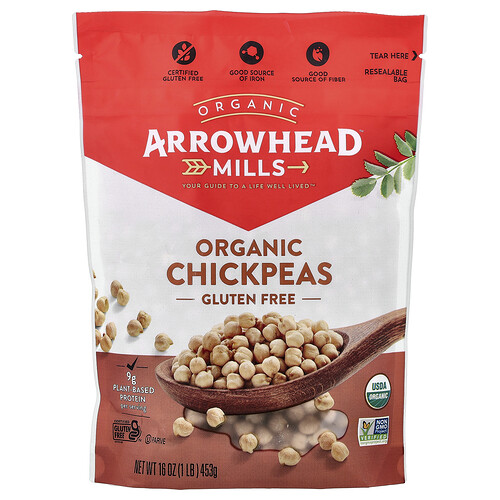
Arrowhead Mills, Organic Chickpeas, 16 oz (453 g)
Shellfish
Oysters, crab, and lobster are among the richest natural sources of zinc.
In fact, oysters contain exceptionally high levels — with studies reporting average concentrations around 22 mg per 100 g. That’s well above the daily requirement in a single serving.
They might not be on everyone’s regular menu, but when it comes to delivering a concentrated boost of this skin-supportive mineral, they’re incredibly potent.
Lentils and Beans
These plant-based staples are packed with zinc and other nutrients like protein and fiber.
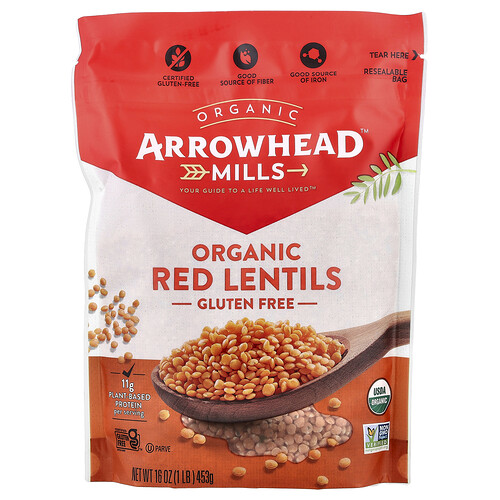
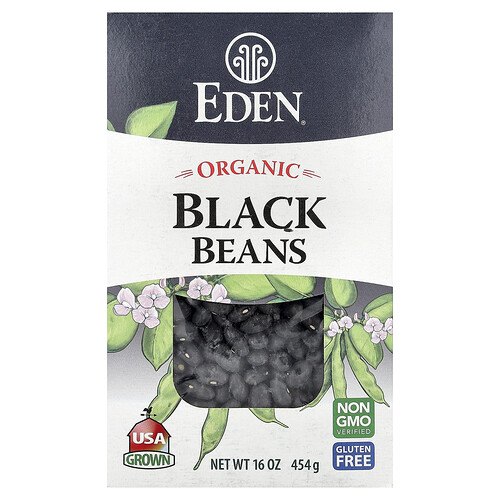
Arrowhead Mills Organic Red Lentils and Eden Foods Organic Black Beans from iHerb are convenient, high-quality staples for any skin-friendly diet.
They’re organic, versatile, and packed with zinc, protein, and fiber—perfect for supporting healthy, glowing skin.
Easy Ways to Add Zinc to Your Diet:
- Sprinkle pumpkin seeds over salads, smoothie bowls, or yogurt.
- Make a chickpea salad or toss chickpeas into soups and stews for a tasty, skin-friendly addition.
- Add lentils or beans to curries, chili, or salads to boost your zinc intake effortlessly.
How Much Do You Need?
Women aged 19 and older need about 8 mg of zinc per day to support immune function, skin repair, and overall health. Needs increase during pregnancy and breastfeeding.
5. Vitamin A: The Skin Repair Vitamin
Think of vitamin A as your skin’s repair crew. This fat-soluble vitamin is essential for maintaining the integrity of your skin’s surface and encouraging healthy skin cell turnover.
Retinoids, the active forms of vitamin A, help skin cells regenerate efficiently by promoting the conversion of retinol into retinoic acid within keratinocytes.
Vitamin A also strengthens your skin barrier by regulating immune cells and antimicrobial proteins, which helps prevent dryness, flakiness, and bacterial overgrowth.
Plus, it gives your collagen production a boost, supporting firmer, smoother skin and helping to reduce fine lines and wrinkles.
Best sources of vitamin A:
Carrots
These vibrant orange veggies are one of the best plant-based sources of provitamin A carotenoids — especially beta-carotene, which your body converts into active vitamin A (retinol).
Because vitamin A is a fat-soluble vitamin that your body cannot make on its own, getting it regularly from food is essential.
Vitamin A plays a key role in cellular division and differentiation — meaning it helps your skin cells grow, repair, and renew properly. That’s why it’s often called a skin-repair nutrient.
Beta-carotene also acts as an antioxidant, helping protect skin cells from oxidative stress, including damage from UV exposure.
Sweet Potatoes
Another beta-carotene superstar, sweet potatoes are one of the richest natural sources of vitamin A.
A baked sweet potato (with skin) provides about 961 µg RAE, which is more than the daily recommended intake for women.
leafy greens
Spinach, kale, and other dark leafy greens are loaded with vitamin A and skin-supportive nutrients that help keep your complexion healthy and glowing.
To give you an idea of how powerful they are:
- 100g of cooked kale contains approximately 146 µg RAE of vitamin A
- 100g of cooked spinach provides about 524 µg RAE of vitamin A
- 100g of cooked Swiss chard offers around 306 µg RAE of vitamin A
liver
While not everyone’s favorite, liver is one of the most concentrated sources of vitamin A.
Easy Ways to Add Vitamin A to Your Diet:
- Roast or mash sweet potatoes as a comforting, skin-nourishing side dish.
- Snack on carrot sticks with hummus for a crunchy, vitamin-packed treat.
- Toss leafy greens into smoothies, soups, or salads for a simple nutrient boost.
How Much Do You Need?
Women aged 14 and older need about 700 mcg of retinol activity equivalents (RAE) per day to support healthy skin, vision, and immune function.
6. Biotin: The Beauty Vitamin
Biotin, also known as vitamin B7, is often called the “beauty vitamin” for a reason. It supports healthy skin, hair, and nails by helping your body produce fatty acids that keep skin moisturized and supple.
Biotin also plays a role in cell growth, which means it can help improve skin texture and overall radiance.
Best sources of Biotin:
beef liver (cooked)
One of the most concentrated natural sources of biotin, beef liver provides a significant amount in a small serving.
Beef liver is one of the most concentrated natural sources of biotin, making it a nutrient-dense option when included occasionally in the diet.
Important note: Liver is very high in preformed vitamin A (retinol), so frequent liver intake or high-dose vitamin A supplements can increase the risk of excessive intake.
eggs (whole, Cooked)
Egg yolks naturally contain biotin, along with high-quality protein that supports skin structure.
oats
Oats contain small amounts of biotin and can contribute to overall intake when eaten regularly. While not a major source on their own, they pair well with other biotin-rich foods like nuts.
Bob’s Red Mill Steel Cut Oats, Whole Grain, Gluten Free from iHerb are a fantastic way to start your day with skin-friendly nutrition.
They’re whole grain, high in biotin, and packed with fiber, making them perfect for breakfast bowls, overnight oats, or hearty porridge.
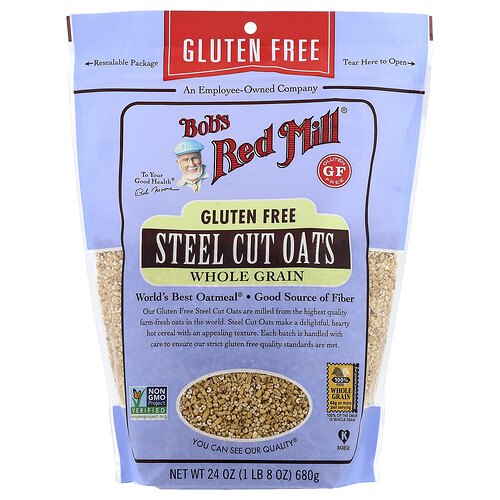
Bob's Red Mill, Steel Cut Oats, Whole Grain, Gluten Free, 24 oz (680 g)
sweet potatoes (cooked)
While sweet potatoes provide modest amounts of biotin, they have high vitamin A content, which supports skin barrier integrity and healthy cell turnover.
strawberries
Strawberries provide small amounts of biotin, but they shine with vitamin C and polyphenols, which support skin health and help protect against oxidative stress.
Easy Ways to Add Biotin to Your Diet:
- Enjoy a boiled egg or omelet for breakfast.
- Sprinkle almonds on yogurt or oatmeal.
- Make sweet potatoes a roasted side dish or mash them for a snack.
How Much Do You Need?
The Adequate Intake (AI) for women aged 19 and older is 30 mcg per day.
*NOTE: The source of the Recommended Dietary Allowances (RDAs) and Adequate Intakes (AIs) provided for the B vitamins is the National Academy Press publication “Dietary Reference Intakes: Thiamin, Riboflavin, Niacin, Vitamin B6, Folate, Vitamin B12, Pantothenic Acid, Biotin, and Choline” (1998).
7. Selenium: The Skin Protector
Selenium may be a trace mineral, but it plays a big role in protecting your skin.
Its power comes from the way it works inside your body. Selenium becomes part of special proteins called selenoproteins, including one of your body’s key antioxidant enzymes, glutathione peroxidase (GPX).
These enzymes help neutralize reactive oxygen species — unstable molecules that contribute to oxidative stress and premature skin aging.
By supporting your body’s natural antioxidant defenses, selenium helps protect skin cells from environmental stressors like UV exposure and pollution. It also supports immune balance, which is closely connected to overall skin health.
Best sources of Selenium:
brazil nuts
Brazil nuts are the most concentrated natural source of selenium, primarily in the highly bioavailable organic form selenomethionine.
Because they’re so potent, just one or two nuts can meet your daily selenium needs — more isn’t better here.
Bergin Fruit and Nut Company Raw Brazil Nuts from iHerb are an easy and high-quality way to get your daily selenium.
Just 1-2 nuts a day provide your skin with this essential mineral, supporting antioxidant protection, elasticity, and overall radiance.

Bergin Fruit and Nut Company, Raw Brazil Nuts, 16 oz (454 g)
seafood (tuna, salmon, shrimp)
Seafood provides selenium in forms your body can easily absorb. These options also supply omega-3 fatty acids, which support skin hydration, elasticity, and barrier function.
mushrooms (especially shiitake)
Mushrooms are a plant-based source of organic selenium and have been studied for their immune-supporting and anti-aging properties.
broccoli and garlic
Certain vegetables, especially broccoli and garlic, can accumulate selenium from soil and convert it into organic forms. These foods also provide compounds that support antioxidant defenses and immune health.
Easy Ways to Add Selenium to Your Diet:
- Snack on a few Brazil nuts daily.
- Add mushrooms to salads, omelets, or stir-fries.
- Enjoy grilled tuna with steamed broccoli.
How Much Do You Need?
The Recommended Daily Allowance for women aged 14 and older is 55 mcg per day. Please note that high doses of Selenium can be harmful.
8. Probiotics: Gut-Friendly Skin Support
Did you know your gut health can influence your skin?
Probiotics are beneficial bacteria that help balance the gut microbiome and reduce inflammation — both important for clear, resilient skin.
Emerging research suggests certain probiotic strains may help:
- Support a more even-looking complexion by influencing melanin production
- Improve skin hydration by increasing ceramides and reducing water loss
- Strengthen the skin barrier
- Protect against collagen breakdown linked to wrinkles and UV exposure
Best sources of Probiotics:
yogurt
A classic and accessible source of live beneficial bacteria, especially Lactobacillus and Bifidobacterium species.
Regular consumption has been associated with improved gut balance, reduced inflammation, and better immune support — all of which can positively influence skin health.
If you want a simple way to enjoy probiotics at home, I absolutely love the Luvele Pure Yogurt Maker.
I’ve been using it to ferment my own yogurt for over a year now, and not only is it delicious, but my skin has noticed the benefits too—it looks cleaner, more youthful, and just has a healthy glow.
Of course, I didn’t buy it for my skin; I wanted to support my gut health—but isn’t it amazing when one healthy habit benefits both your health and your skin?
editor’s pick

Luvele Pure Yogurt Maker
Create creamy, probiotic-rich yogurt at home with precision temperature control for perfect results every time.
kefir
A fermented milk drink that typically contains a wider diversity of bacteria and yeasts than yogurt.
Kefir has been studied for its antimicrobial and anti-inflammatory properties and may help support gut barrier integrity — an important factor in the gut–skin connection.
If you have a larger family or want more versatility, the Luvele Pure Plus Yogurt Maker is another great option. It works just like the Pure, but is bigger and it also allows you to make kefir, giving you even more probiotic-rich options at home.
great pick

Luvele Pure Plus Yogurt Maker
Make rich, probiotic-packed yogurt or kefir at home with precise temperature control and consistently smooth results.
kimchi
This traditional Korean fermented vegetable dish is rich in lactic acid bacteria.
Research suggests kimchi may support antioxidant activity, immune balance, and healthy inflammatory responses, which can indirectly benefit skin clarity and resilience.
sauerkraut
Fermented cabbage naturally rich in lactic acid bacteria.
Early clinical studies suggest it may help modulate gut microbiota composition and support digestive comfort. Choose raw, unpasteurized versions to retain live cultures.
miso
A fermented soybean paste made using beneficial microbes such as Aspergillus oryzae. Fermented soy products have been linked to anti-inflammatory and antioxidant effects.
Easy Ways to Add Probiotics to Your Diet:
- Enjoy a serving of yogurt or kefir with breakfast or as a snack.
- Add kimchi or sauerkraut as a side dish or topping for meals.
- Stir miso into soups or sauces for a flavorful probiotic boost.
9. Water: The Ultimate Hydrator
Even though it’s not technically a food, water deserves a place on this list — it’s fundamental for healthy, resilient skin.
Hydration plays a key role in maintaining skin elasticity, softness, and overall function.
In one study, increasing daily water intake significantly improved both superficial and deeper skin hydration, especially in those who previously drank less water.
Staying hydrated helps maintain skin elasticity, prevents dryness, and supports your body’s natural detox processes. When you drink enough water, your skin looks plump, fresh, and radiant—while dehydration can leave it dull, tired, and more prone to wrinkles.
To make staying hydrated easier (and more fun), a good water bottle can really help. The Hydro Flask Water Bottle with Wide Straw Lid from Amazon is a great choice.
It keeps your water cold for hours, is leakproof, and the wide straw makes sipping throughout the day effortless.
Having a bottle like this handy makes it easier to hit your hydration goals, which supports plump, radiant skin, improves elasticity, and keeps your body—and your skin—feeling refreshed.
Best sources of hydration:
watermelon
Made up of over 90% water, watermelon is one of the most hydrating fruits you can eat. It’s also rich in antioxidants like lycopene, vitamins, and minerals.
cucumber
Coucumbers are naturally hydrating and low in calories. They also contain antioxidants that help combat oxidative stress.
celery
Celery has a high water content and contains antioxidant compounds such as flavonoids and phenolic acids.
These plant compounds help neutralize free radicals, supporting overall cellular health while contributing to hydration.
Easy Ways to Stay Hydrated:
- Drink at least 8 glasses of water a day to keep your skin plump and healthy.
- Snack on juicy watermelon or crisp cucumber slices for a refreshing, skin-friendly treat.
- Add hydrating foods like cucumbers and celery to salads, smoothies, or juices for an extra moisture boost.
Final Thoughts
Healthy, glowing skin isn’t just the result of topical skincare—it starts with the foods you eat.
By ensuring you get enough of the essential nutrients like vitamin C, vitamin E, omega-3 fatty acids, zinc, vitamin A, and hydration, you can give your skin the nourishment it needs to stay radiant and youthful.
Incorporate these nutrient-rich foods into your diet, and you’ll soon notice improvements in your skin’s appearance, texture, and overall health.
Remember, the foundation of glowing skin is built on a balanced, nutrient-dense diet, and it’s never too late to start.
*This article is for informational purposes only and should not be considered medical or dermatological advice. Always consult with a dermatologist or qualified skincare professional for personalized recommendations tailored to your skin type and concerns.
Begum, Nabila et al. “Nutritional composition, health benefits and bio-active compounds of chickpea (Cicer arietinum L.).” Frontiers in nutrition vol. 10 1218468. 28 Sep. 2023, doi:10.3389/fnut.2023.1218468. Adapted and used under the terms of the Creative Commons Attribution 4.0 International License.
Bilandžić, Nina, et al. “Determination of Zinc Concentrations in Foods of Animal Origin, Fish and Shellfish from Croatia and Assessment of Their Contribution to Dietary Intake.” Journal of Food Composition and Analysis, vol. 35, no. 2, 2014, pp. 61–66. https://doi.org/10.1016/j.jfca.2014.04.006. Abstract only.
Bjørklund, Geir et al. “Selenium: An Antioxidant with a Critical Role in Anti-Aging.” Molecules (Basel, Switzerland) vol. 27,19 6613. 5 Oct. 2022, doi:10.3390/molecules27196613. Adapted and used under the terms of the Creative Commons Attribution 4.0 International License.
Cao, Changwei et al. "Diet and Skin Aging—From the Perspective of Food Nutrition." Nutrients 12, no. 3: 870 (2020), https://doi.org/10.3390/nu12030870. Adapted and used under the terms of the Creative Commons Attribution 4.0 International License.
Cheng, Ting et al. “Oily fish reduces the risk of acne by lowering fasting insulin levels: A Mendelian randomization study.” Food science & nutrition vol. 12,6 3964-3972. 6 Mar. 2024, doi:10.1002/fsn3.4054. Adapted and used under the terms of the Creative Commons Attribution 4.0 International License.
“Dietary Reference Intakes: Thiamin, Riboflavin, Niacin, Vitamin B6, Folate, Vitamin B12, Pantothenic Acid, Biotin, and Choline.” Institute of Medicine. Food and Nutrition Board. Washington, DC: National Academy Press, 1998.
“Dietary Reference Intakes: Vitamin C, Vitamin E, Selenium, and Carotenoids.” Institute of Medicine. Food and Nutrition Board. Washington, DC: National Academy Press, 2000.
Foster, Lacey, et al. “Zinc in Dermatology: Exploring Its Emerging Role in Enhancing Botulinum Toxin Formulations and Clinical Efficacy.” Current Issues in Molecular Biology, vol. 46, no. 11, 2024, pp. 12088–12098. https://doi.org/10.3390/cimb46110717. Adapted and used under the terms of the Creative Commons Attribution 4.0 International License.
Ghasemzadeh Rahbardar, Mahboobeh et al. “A Review of Antioxidant Activity, Anti-Inflammatory Properties, Apoptosis-Regulatory Effects, and Immune System Modulation of Juglans regia L. (Walnut).” Food science & nutrition vol. 13,11 e71081. 31 Oct. 2025, doi:10.1002/fsn3.71081. Adapted and used under the terms of the Creative Commons Attribution 4.0 International License.
Gao, Ting et al. “The Role of Probiotics in Skin Health and Related Gut-Skin Axis: A Review.” Nutrients vol. 15,14 3123. 13 Jul. 2023, doi:10.3390/nu15143123. Adapted and used under the terms of the Creative Commons Attribution 4.0 International License.
Huber, Kristen L et al. “HYVIA™: A novel, topical chia seed extract that improves skin hydration.” Journal of cosmetic dermatology vol. 19,9 (2020): 2386-2393. doi:10.1111/jocd.13469. Abstract only.
Joshi, Mahika et al. “Modulatory role of vitamins A, B3, C, D, and E on skin health, immunity, microbiome, and diseases.” Pharmacological reports: PR vol. 75,5 (2023): 1096-1114. doi:10.1007/s43440-023-00520-1. Adapted from and used under the terms of the Creative Commons Attribution 4.0 International License.
Khalifah, I. N., and Noti Feberi Endriani. “The Effect of Giving Cucumber Masks against Melasma in Acceptors of Combination Injection Contraception Users at the Independent Midwife Practice in Bungursari, Purwakarta, Indonesia.” Bioscientia Medicina: Journal of Biomedicine and Translational Research, vol. 7, no. 4, 2023, pp. 3279–3282, https://doi.org/10.37275/bsm.v7i4.815. Abstract only.
Kooti, Wesam, and Nahid Daraei. “A Review of the Antioxidant Activity of Celery ( Apium graveolens L).” Journal of evidence-based complementary & alternative medicine vol. 22,4 (2017): 1029-1034. doi:10.1177/2156587217717415. Abstract only.
Laaraj, Salah, et al. “Nutritional, Pharmaceutical, and Health Benefits of Sunflower Seeds (Helianthus annuus L.): A Comprehensive Review of Food Applications.” Food and Humanity, vol. 5, 2025, p. 100641, https://doi.org/10.1016/j.foohum.2025.100641. Abstract only.
Latreille, Julie et al. “Dietary monounsaturated fatty acids intake and risk of skin photoaging.” PloS one vol. 7,9 (2012): e44490. doi:10.1371/journal.pone.0044490. Adapted and used under the terms of the Creative Commons Attribution 4.0 International License.
Li, Xue et al. “Contribution of Different Food Types to Vitamin A Intake in the Chinese Diet.” Nutrients vol. 15,18 4028. 17 Sep. 2023, doi:10.3390/nu15184028. Adapted and used under the terms of the Creative Commons Attribution 4.0 International License.
Lister, I. Nyoman Enrich, et al. “Anti-Aging Effectiveness of Avocado Peel Extract Ointment (Persea americana Mill.) against Hydration, Collagen, and Elasticity Levels in Wistar Rat.” Journal of Pharmaceutical Research International, vol. 33, no. 32B, 2021, pp. 173–184. https://doi.org/10.9734/jpri/2021/v33i32B31760. Abstract only.
Maoto, Makaepea M., Daniso Beswa, and Afam I. O. Jideani. “Watermelon as a Potential Fruit Snack.” International Journal of Food Properties, vol. 22, no. 1, 2019, pp. 355–370. Taylor & Francis, https://doi.org/10.1080/10942912.2019.1584212. Adapted and used under the terms of the Creative Commons Attribution 4.0 International License.
Nowak, Wioletta, and Małgorzata Jeziorek. “The Role of Flaxseed in Improving Human Health.” Healthcare (Basel, Switzerland) vol. 11,3 395. 30 Jan. 2023, doi:10.3390/healthcare11030395. Adapted and used under the terms of the Creative Commons Attribution 4.0 International License.
Paul, Alok K et al. “Are Fermented Foods Effective against Inflammatory Diseases?.” International journal of environmental research and public health vol. 20,3 2481. 30 Jan. 2023, doi:10.3390/ijerph20032481. Adapted and used under the terms of the Creative Commons Attribution 4.0 International License.
Palma, Lídia et al. “Dietary water affects human skin hydration and biomechanics.” Clinical, cosmetic and investigational dermatology vol. 8 413-21. 3 Aug. 2015, doi:10.2147/CCID.S86822. Abstract only.
Piazza, Stefano et al. “A Review of the Potential Benefits of Plants Producing Berries in Skin Disorders.” Antioxidants (Basel, Switzerland) vol. 9,6 542. 20 Jun. 2020, doi:10.3390/antiox9060542. Adapted and used under the terms of the Creative Commons Attribution 4.0 International License.
Pullar, J.M., Carr, A.C., & Vissers, M.C.M. "The Roles of Vitamin C in Skin Health." Nutrients, vol. 9, 2017, p. 866, https://doi.org/10.3390/nu9080866. Adapted and used under the terms of the Creative Commons Attribution 4.0 International License.
Pullar, Juliet M., et al. “Improved Human Skin Vitamin C Levels and Skin Function after Dietary Intake of Kiwifruit: A High-Vitamin-C Food.” Journal of Investigative Dermatology, 28 Oct. 2025, https://doi.org/10.1016/j.jid.2025.10.587. Adapted and used under the terms of the Creative Commons Attribution 4.0 International License.
Rybak, Iryna et al. “Prospective Randomized Controlled Trial on the Effects of Almonds on Facial Wrinkles and Pigmentation.” Nutrients vol. 13,3 785. 27 Feb. 2021, doi:10.3390/nu13030785. Adapted and used under the terms of the Creative Commons Attribution 4.0 International License.
Scientific Opinion of the Panel on Additives and Products or Substances Used in Animal Feed (FEEDAP) on a Request from the European Commission on the Consequences for the Consumer of the Use of Vitamin A in Animal Nutrition. The EFSA Journal, no. 873, 2008, pp. 1–81, https://efsa.onlinelibrary.wiley.com/doi/pdf/10.2903/j.efsa.2009.873. Accessed 13 February 2026.
Singh, Harpreet et al. “Dietary phytochemicals alleviate the premature skin aging: A comprehensive review.” Experimental gerontology vol. 199 (2025): 112660. doi:10.1016/j.exger.2024.112660. Adapted and used under the terms of the Creative Commons Attribution 4.0 International License.
Sousa, Carla, et al. “Transforming By-Products into Functional Resources: The Potential of Cucurbitaceae Family Seeds in Cosmetics.” Seeds, vol. 4, no. 3, 2025, article 36, https://doi.org/10.3390/seeds4030036. Adapted and used under the terms of the Creative Commons Attribution 4.0 International License.
U.S. Department of Agriculture, FoodData Central. Accessed 8 February 2026.
U.S. Department of Agriculture and U.S. Department of Health and Human Services. Dietary Guidelines for Americans, 2020-2025. 9th Edition. December 2020. Available at DietaryGuidelines.gov.
U.S. Department of Agriculture and U.S. Department of Health and Human Services. Dietary Guidelines for Americans, 2025–2030. 2026, https://cdn.realfood.gov/DGA.pdf.

Linda, co-founder of Courier Beauty, holds a BA in Fashion Marketing, a PG certificate in Fashion & Luxury Goods Management, and a Diploma in Natural Health Nutrition & Diet. Inspired by photography, food, and travel, she loves holistic beauty and nourishing the skin naturally.