


How to Build Confidence in Yourself: A Complete Guide
Confidence is one of the most valuable qualities you can develop. It shapes the way you see yourself, influences how you connect with others, and affects how you handle everyday challenges.
It also plays a role in your relationships, career, personal style, communication skills, and even the goals you believe you’re capable of achieving.
Yet confidence is often misunderstood.
Many people assume it’s something you’re either born with or without. They believe confident people have never struggled with self-doubt, insecurity, or fear.
The truth is very different.
Most confident people have experienced uncertainty, setbacks, and moments of insecurity. The difference isn’t that they never question themselves—it’s that they choose to keep moving forward despite those doubts.
Confidence isn’t a personality trait reserved for a lucky few. It’s a skill, and like any skill, it can be developed and strengthened over time.
If you’ve ever wondered how to build confidence in yourself, this guide will help you understand what confidence really is, what might be holding you back, and the practical habits that can help you become more confident and self-assured.
This post contains affiliate links, which means we may earn a commission if you purchase through our links—at no extra cost to you. As an Amazon Associate we earn from qualifying purchases. We only recommend products we use or trust. Learn more about affiliate marketing or read our full disclosure.
What Confidence Really Means
Before you can learn how to build confidence in yourself, it helps to understand what confidence really means.
Found this helpful? Pin it for later so you can come back anytime.

Confidence isn’t:
- Being perfect
- Never feeling nervous
- Always having the right answer
- Believing you’re better than other people
- Having a perfect appearance
Real confidence is much simpler.
Confidence is self-trust. It’s the belief that you can handle challenges, learn from your mistakes, and keep moving forward even when things don’t go according to plan.
Confident people aren’t fearless. They simply trust themselves enough to take action, even when they feel uncertain.
RELATED POST: What Self-Confidence Really Looks Like (It’s Not What You Think)
Why So Many People Struggle With Confidence
If confidence were easy to develop, everyone would have it. The reality is that many parts of modern life can make building confidence much harder than it seems.
From social pressures to unrealistic expectations, countless factors can influence the way you see yourself.
Understanding these common obstacles is often the first step toward overcoming them.
Common confidence challenges include:
1. Comparison
Social media constantly exposes us to carefully curated versions of other people’s lives. It’s easy to compare your everyday reality with someone else’s highlight reel and feel as though you’re falling behind.
The problem is that you’re comparing your whole life—including your struggles, mistakes, and insecurities—to a carefully selected snapshot of someone else’s best moments.
Over time, this creates unrealistic expectations and can leave you feeling inadequate, even when you’re making real progress in your own life.
2. Perfectionism
Many people believe confidence will come once they’ve finally become “good enough.” The problem is that perfection is an impossible standard that always seems just out of reach.
Perfectionists often convince themselves they need to achieve more, know more, or look better before they can feel confident.
As a result, they may spend so much energy trying to avoid mistakes that they never stop to recognize how far they’ve already come.
Confidence grows through action and learning—not flawless performance.
3. Negative Self-Talk
The way you speak to yourself has a powerful influence on how you see yourself. Constant self-criticism can gradually chip away at your confidence.
Over time, negative thoughts can become automatic.
If you repeatedly tell yourself that you’re not capable, attractive, intelligent, or successful enough, you may eventually start believing those thoughts are true.
The more you practice negative self-talk, the harder it becomes to notice your strengths and appreciate your accomplishments.
4. Fear of Failure
Some people avoid opportunities because they’re afraid of making mistakes. Ironically, avoiding challenges is often what keeps confidence from growing.
Failure is uncomfortable, but it’s also one of the best ways to learn and improve.
When you avoid situations that feel uncertain or risky, you miss the chance to prove to yourself that you can handle difficult situations.
Confidence grows when you take action, gain experience, and realize that setbacks are rarely as overwhelming as they first seem.
RELATED POST: 3 Silent Confidence Killers (and How to Fix Them)
The Truth About Confidence
One of the most important things to understand is that confidence usually comes after taking action—not before.
Many people believe they need to feel confident before trying something new. In reality, confidence is usually built through experience.
Think about any skill you’ve learned.
Whether it was driving, public speaking, exercising, or starting a new job, your confidence most likely grew with practice.
The same principle applies to self-confidence.
Now that you have a better understanding of what confidence is and what’s often holding it back, let’s look at some practical steps you can take to become more confident.
Step 1: Stop Waiting for Perfection
One of the biggest obstacles to confidence is perfectionism. Perfection creates pressure.
Confidence, on the other hand, grows through progress.
Ask yourself:
- What would I do if I wasn’t afraid of making mistakes?
- What opportunities am I putting off until I finally feel “ready”?
The truth is that most people never feel completely ready. Confident people choose to move forward anyway.
Confidence reminder:
Done is often better than perfect.
Step 2: Change Your Inner Dialogue
The relationship you have with yourself matters. Many people speak to themselves in ways they would never speak to a friend.
Examples include:
- I’m not good enough.
- I always mess things up.
- Everyone else is better than me.
Over time, these thoughts shape the way you see yourself.
When you notice yourself slipping into negative self-talk, ask:
Would I say this to someone I care about?
If the answer is no, challenge that thought. Replace harsh self-criticism with something more balanced, compassionate, and realistic.
If you’d like extra support in building a kinder relationship with yourself, How to Love Yourself Cards by Louise Hay (available on Bookshop.org) offers simple daily affirmations and reflections that can help you challenge negative self-talk and develop greater self-compassion.
shift your mindset

How to Love Yourself Cards by Louise Hay
Support lasting change with daily affirmations designed to reshape how you think and feel about yourself.
Did you know? Your purchase helps support independent bookstores with every order.
Step 3: Keep Promises to Yourself
Confidence is built on trust, and trust grows through consistency.
Every time you follow through on a commitment you’ve made to yourself, you strengthen that trust.
Examples include:
- Completing a workout
- Following your morning routine
- Keeping a boundary
- Finishing a project
Small promises matter.
Why it works:
When you consistently prove to yourself that you can rely on yourself, your confidence naturally begins to grow.
Found this helpful? Pin it for later so you can come back anytime.

Step 4: Improve Your Body Language
Confidence isn’t just a mindset. It’s physical too. The way you carry yourself influences both how other people perceive you and how you feel about yourself.
Focus on:
- Standing tall
- Relaxing your shoulders
- Making eye contact
- Speaking clearly
- Using open body language
These small adjustments can make a surprisingly big difference.
Confidence tip:
Acting confidently often helps you become more confident.
If you’d like to understand how body language influences confidence, Cues by Vanessa Van Edwards (available on Amazon) is a practical guide to reading and using nonverbal communication to feel more confident and make stronger first impressions.
Step 5: Stop Comparing Yourself to Others
Comparison is one of the fastest ways to undermine your confidence.
Someone will always have:
- More money
- More followers
- Better photos
- Different strengths
The problem is that comparison rarely gives you information that’s actually useful.
Instead of measuring yourself against other people, compare yourself to who you were six months or even a year ago.
Ask yourself:
Am I growing?
Rather than:
Am I better than someone else?
Step 6: Focus on Your Strengths
Many people are quick to notice their weaknesses, but far fewer make a habit of recognizing their strengths.
Take a moment to identify:
- Skills you have
- Positive personality traits
- Accomplishments
- Areas where you perform well
Confidence grows when you recognize your own value instead of overlooking it.
Why it works:
It helps you develop a more balanced and realistic view of yourself.
Step 7: Take Care of Yourself
Self-care and confidence often go hand in hand. This isn’t about looking a certain way—it’s about treating yourself with care, kindness, and respect.
Examples include:
- Getting enough sleep
- Eating nourishing foods
- Exercising regularly
- Practicing skincare
- Managing stress
These habits send a powerful message that you are worth taking care of.
Why it works:
When you invest in your well-being, your confidence often grows along with it.
If you’re looking for an easy way to build lasting habits, Atomic Habits by James Clear (available on Bookshop.org) explains how small, consistent changes can lead to remarkable improvements over time—including greater confidence.
book tip

Atomic Habits
By James Clear
Discover how small, consistent habits can lead to meaningful and lasting improvements over time.
Did you know? When you buy from Bookshop.org, you help support independent bookstores.
Step 8: Learn to Accept Imperfection
Nobody is perfect.
- Not the influencers you follow.
- Not the people you admire.
- Not even the most confident person you know.
Confident people don’t expect themselves to be flawless. They understand that mistakes are a natural part of learning and growth.
Instead of asking:
How can I avoid mistakes?
Ask:
What can I learn from this?
book tip
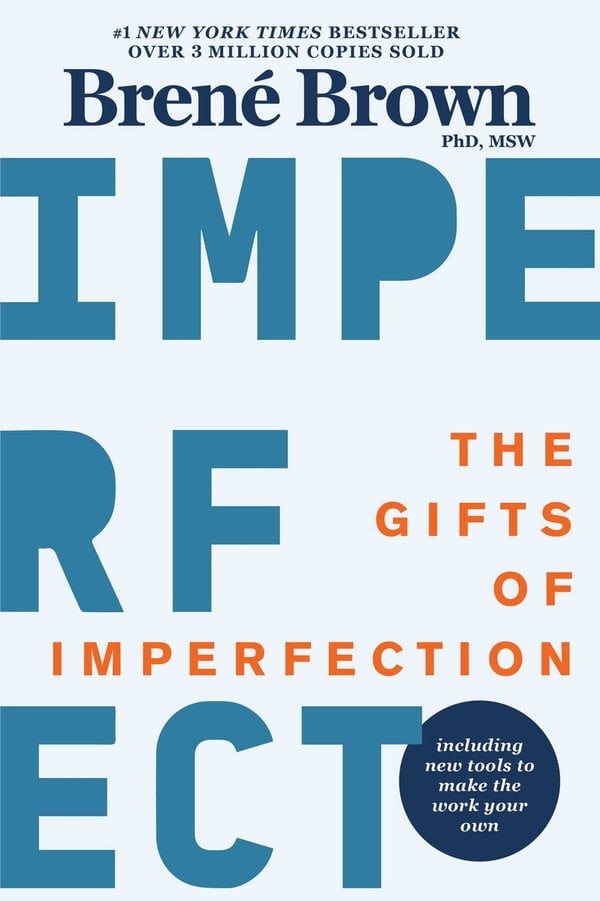
The Gifts of Imperfection
By Brené Brown
Whether you struggle with comparison, fear, or simply want to live more fully, this book provides tools to step into your life with courage and grace.
Did you know? When you buy from Bookshop.org, you help support independent bookstores.
Step 9: Develop Competence
Confidence often grows alongside competence. The more skills you develop, the more confident you’re likely to become.
Consider learning:
- A new hobby
- Professional skills
- Communication skills
- Creative skills
Every new accomplishment gives your confidence another reason to grow.
Why it works:
Building competence gives you real evidence that you can learn, adapt, and handle challenges.
Step 10: Set Healthy Boundaries
Confidence and healthy boundaries go hand in hand. People with genuine confidence understand that their time, energy, and well-being are valuable.
Examples include:
- Saying no when necessary
- Limiting toxic relationships
- Protecting personal time
- Speaking up respectfully
Why it works:
Healthy boundaries reinforce your sense of self-worth and self-respect.
RELATED POST: How to Think, Act & Live Like a Confident Woman
Step 11: Build a Style That Reflects You
Your personal style can be a powerful confidence booster.
This isn’t about following trends. It’s about choosing clothing, colors, and aesthetics that genuinely reflect who you are.
When you feel comfortable and authentic in what you’re wearing, confidence often follows naturally.
Confidence tip:
Wear clothes that make you feel like yourself—not like someone you’re trying to be.
If you’d like to explore how your clothing can support your confidence, Dress Your Best Life by Dawnn Karen (available on Bookshop.org) explains how fashion psychology can help you express yourself more authentically and feel more confident in what you wear.
book tip

Dress Your Best Life
By Dawnn Karen
What if the clothes you wear could boost your mood and even change how people respond to you?
Did you know? When you buy from Bookshop.org, you help support independent bookstores.
RELATED POST: 10 Steps to a More Confident You Through Personal Style
Step 12: Practice Gratitude for Yourself
Many people spend years focusing on what they see as their flaws. Confidence grows when you begin appreciating what’s already good about yourself.
Appreciate:
- Your strengths
- Your progress
- Your resilience
- Your unique qualities
Gratitude helps you build a healthier and more positive relationship with yourself.
Why it works:
What you consistently focus on tends to grow.
If you’d like to make gratitude a daily habit, Gratitude: A Day and Night Reflection Journal by Insight Editions (available on Bookshop.org) offers guided prompts that encourage self-reflection, appreciation, and a more positive mindset. It’s a simple way to practice noticing the good in yourself and your everyday life.
Find the Good
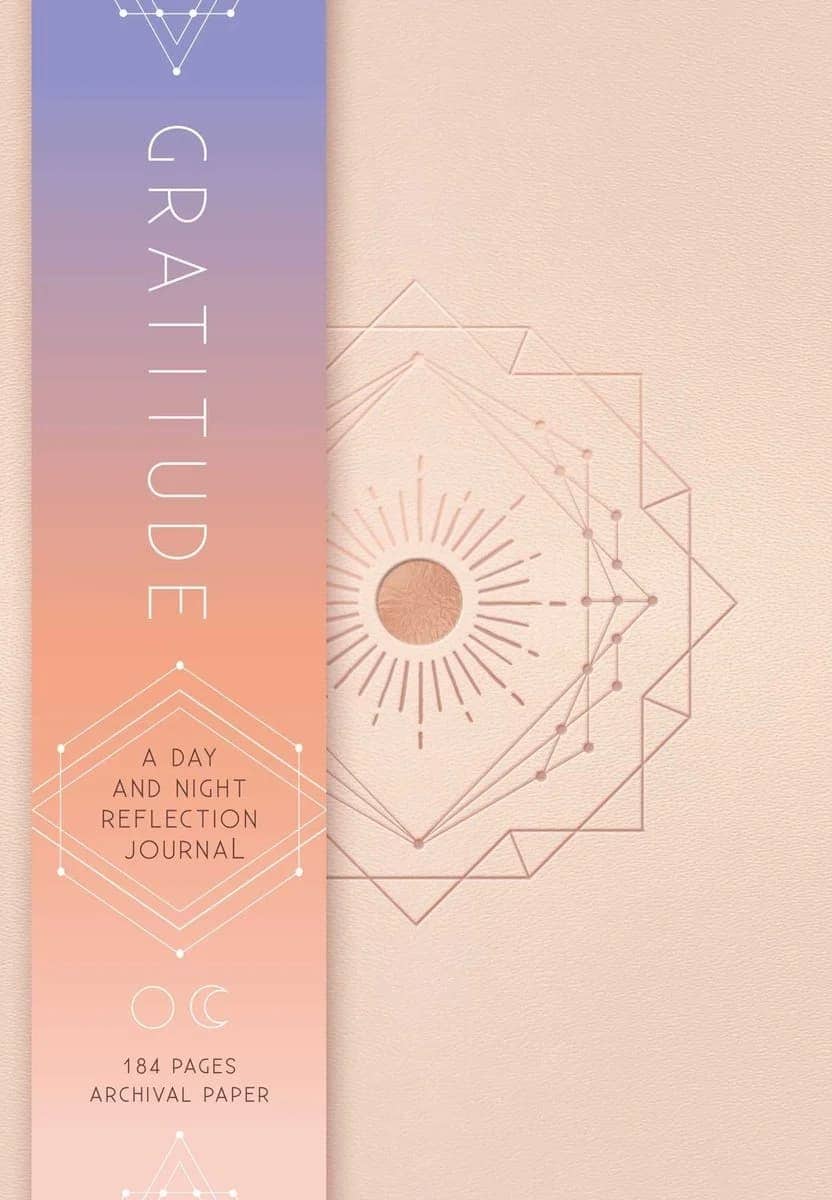
Gratitude Journal by Insight Editions
Capture the good in your day and turn small moments into lasting, meaningful memories.
Did you know? Your purchase helps support independent bookstores with every order.
What Confident People Do Differently
Confident people aren’t fundamentally different from everyone else. They simply develop habits that strengthen their confidence over time.
They:
- Take action despite fear
- Accept imperfection
- Speak kindly to themselves
- Set boundaries
- Focus on growth
- Trust themselves
Most importantly, they don’t wait until they feel confident before they start living the life they want.
Common Confidence Mistakes
Let’s look at some of the most common mistakes people make when trying to build confidence:
1. Seeking Constant Validation
Receiving approval from other people feels good, but it shouldn’t become the foundation of your confidence.
If your self-worth depends entirely on praise, compliments, or recognition from others, your confidence can quickly disappear when that validation isn’t there.
Lasting confidence comes from trusting your own judgment and recognizing your value, regardless of what other people think.
2. Avoiding Challenges
Confidence grows through experience. Avoiding difficult situations often prevents it from developing.
Staying inside your comfort zone may feel safer in the short term, but it also limits opportunities to grow.
Every challenge you face and overcome becomes proof that you’re capable of handling uncertainty and adapting to new situations.
3. Focusing Only on Weaknesses
A healthy self-image includes both strengths and weaknesses. Many people spend so much time trying to fix their flaws that they overlook their achievements, positive qualities, and progress.
Confidence becomes much easier to build when you recognize your strengths while continuing to improve the areas that matter to you.
4. Comparing Yourself Constantly
Constant comparison shifts your attention away from your own progress. There will always be someone with different strengths, experiences, opportunities, or achievements.
When you focus too much on what other people are doing, it’s easy to lose sight of how far you’ve come.
A much healthier approach is to measure your growth against your past self instead of someone else’s journey.
How Long Does It Take to Build Confidence?
Confidence doesn’t develop overnight. It’s a gradual process.
Think about confidence the same way you think about fitness. One workout won’t completely transform your health, but consistent effort over time leads to meaningful results.
The same is true for confidence. Small actions, repeated consistently, gradually turn into lasting self-belief.
What Real Confidence Looks Like
Many people imagine confidence as being loud, fearless, or naturally outgoing. In reality, confidence is often much quieter than that.
It looks like:
- Trusting yourself
- Trying again after setbacks
- Setting boundaries
- Accepting imperfections
- Speaking up when necessary
- Showing up authentically
Confidence isn’t about proving your worth. It’s about recognizing that your worth has been there all along.
Final Thoughts
Learning how to build confidence in yourself isn’t about becoming someone else. It’s about building a stronger relationship with the person you already are.
Confidence grows when you stop waiting for perfection, learn to trust yourself, take care of your well-being, and embrace opportunities to grow.
It develops through small actions that you practice consistently over time.
Perhaps most importantly, confidence grows when you realize that your worth is not something you have to earn.
You don’t have to become flawless before you can feel confident. You simply need to start treating yourself with the same kindness, respect, and trust that you would offer someone you deeply care about.
Because confidence isn’t about believing you’re perfect. It’s about believing you’re capable, worthy, and enough exactly as you are.
*This article is for informational purposes only and should not be considered medical or dermatological advice. Always consult with a dermatologist or qualified skincare professional for personalized recommendations tailored to your skin type and concerns.

Linda, co-founder of Courier Beauty, holds a BA in Fashion Marketing, a PG certificate in Fashion & Luxury Goods Management, and a Diploma in Natural Health Nutrition & Diet. Inspired by photography, food, and travel, she loves holistic beauty and nourishing the skin naturally.