

The Body Language Mistakes That Make You Look Less Confident
Confidence isn’t just about how you feel—it also shows in the way you carry yourself.
Before you say a single word, your body language is already communicating with the people around you. The way you stand, sit, walk, maintain eye contact, and use your hands all shapes the impression you leave.
What’s especially interesting is that body language doesn’t only influence how others see you—it can also affect how you see yourself.
That’s why confident body language matters so much.
Many people believe confidence is something you’re either born with or you aren’t. In reality, though, it’s often reflected in small habits and behaviors that you can develop and strengthen over time.
The best part?
You don’t have to be louder, more outgoing, or completely change who you are.
In many situations, making a few simple adjustments can help you avoid common body language mistakes, allowing you to appear more confident while also feeling more self-assured in everyday life.
In this article, we’ll look at some of the most common body language mistakes that can make you look less confident—and what you can do instead.
This post contains affiliate links, which means we may earn a commission if you purchase through our links—at no extra cost to you. As an Amazon Associate we earn from qualifying purchases. We only recommend products we use or trust. Learn more about affiliate marketing or read our full disclosure.
Why Body Language Matters
Research continues to show that communication involves much more than the words you say.
Found this helpful? Pin it for later so you can come back anytime.
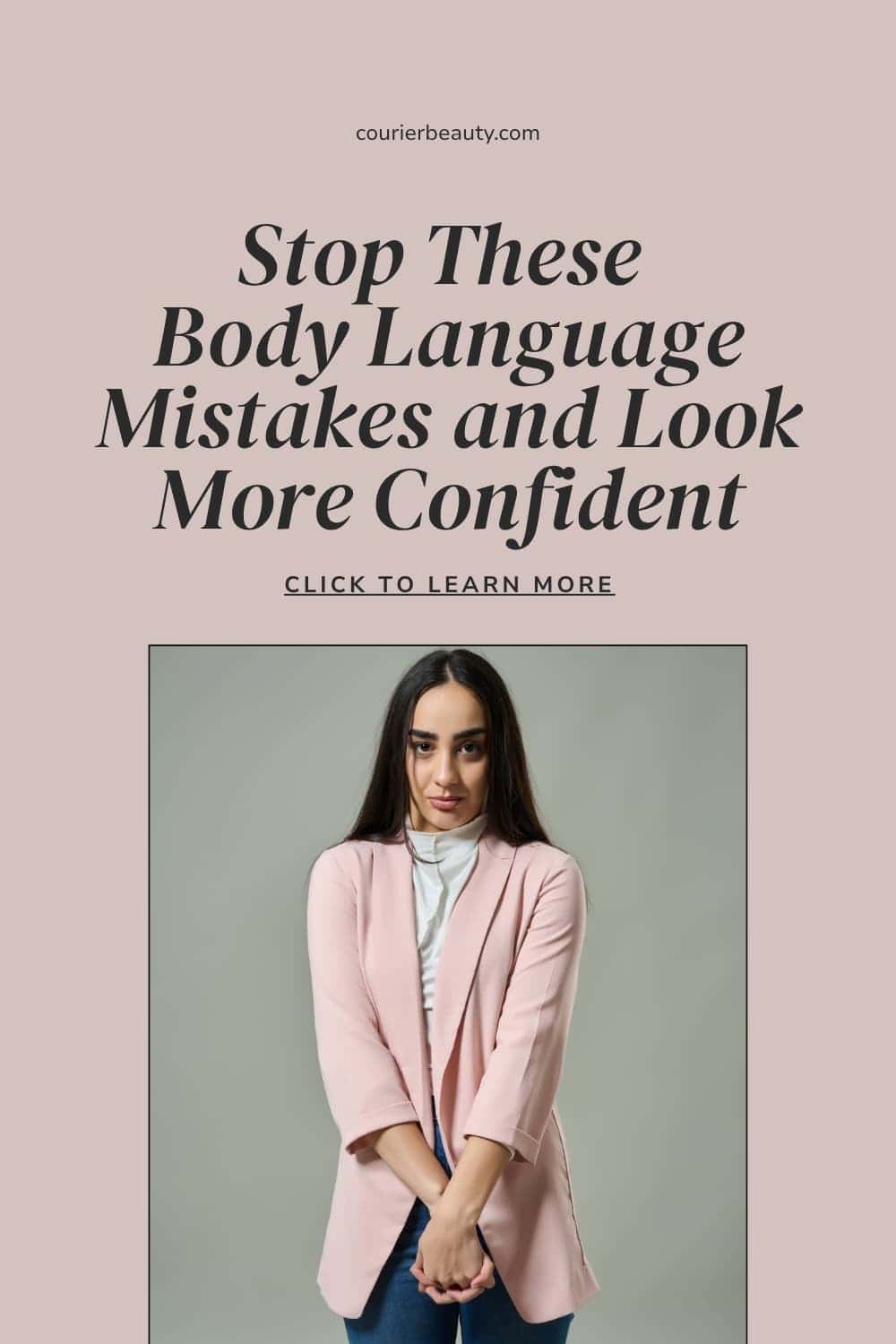
People naturally pay attention to:
- Facial expressions
- Eye contact
- Posture
- Gestures
- Tone of voice
- Physical presence
Whether you’re in a job interview, meeting someone for the first time, giving a presentation, or simply chatting with friends, your body language plays a major role in how others perceive your confidence.
Confident body language isn’t about pretending to be someone you’re not. It’s about making sure your physical presence reflects the confidence you’re working to build.
The Definitive Book of Body Language by Allan Pease (available on Bookshop.org) is one of the most well-known books on nonverbal communication. It explains how body language shapes everyday interactions and helps you better understand both your own signals and those of the people around you.
book tip
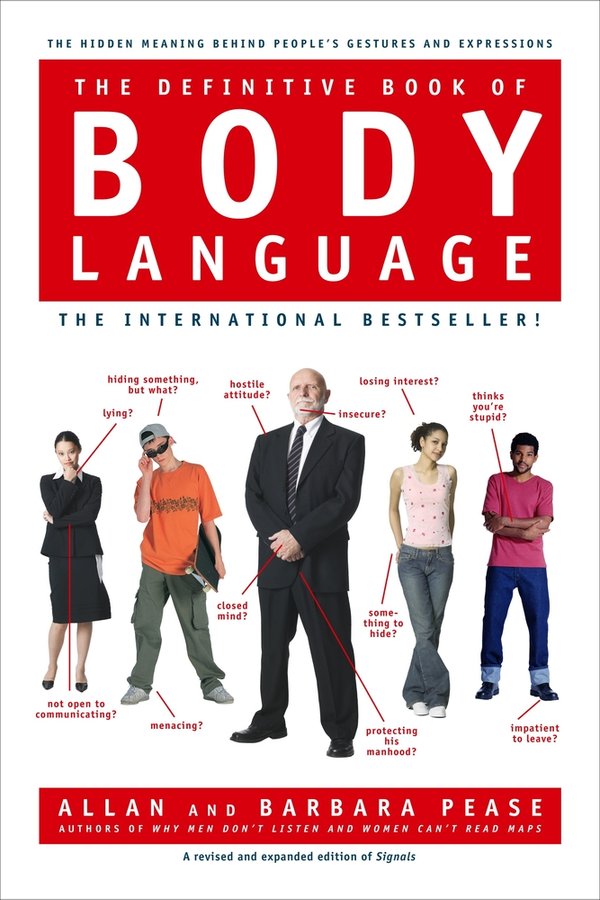
The Definitive Book of Body Language
By Allan and Barbara Pease
Discover how understanding body language can help you communicate more effectively and better interpret nonverbal cues.
Did you know? When you buy from Bookshop.org, you help support independent bookstores.
Now let’s take a closer look at some of the most common body language mistakes that can make you look less confident—and what you can do instead.
Mistake #1: Looking Down Constantly
Many people fall into the habit of looking down while walking, talking, or entering a room.
Although it may seem like a small thing, it can unintentionally communicate:
- Nervousness
- Insecurity
- Lack of confidence
- Discomfort
What to do instead:
- Keep your head up while walking.
- Let your gaze rest naturally in front of you.
- Stay aware of your surroundings instead of looking at the ground.
Why it works:
Looking ahead makes you appear more engaged and self-assured. It can also naturally improve your posture.
Mistake #2: Poor Posture
Slouching is one of the most common body language mistakes associated with low confidence.
Rounded shoulders and a hunched posture can make you seem:
- Tired
- Uncertain
- Disengaged
Even if that’s not how you actually feel.
Instead, focus on:
- Relaxing your shoulders
- Standing tall
- Keeping your spine aligned
- Distributing your weight evenly
Why it works:
Good posture creates a stronger presence and can even help you feel more confident from the inside out.
Mistake #3: Avoiding Eye Contact
Eye contact is one of the clearest signs of confidence. Many people avoid it because they feel nervous, shy, or worried about seeming awkward.
However, frequently looking away can unintentionally signal discomfort or uncertainty.
What to do instead:
- Make eye contact when greeting someone.
- Maintain comfortable eye contact while listening.
- Look away naturally rather than avoiding eye contact altogether.
Why it works:
Eye contact communicates engagement, confidence, and trustworthiness.
Mistake #4: Crossing Your Arms Constantly
Crossing your arms may feel comfortable, but it often creates a sense of distance between you and the people around you.
Depending on the situation, crossed arms may communicate:
- Defensiveness
- Discomfort
- Resistance
- Nervousness
What to do instead:
- Keep your arms relaxed by your sides
- Use natural hand gestures while speaking
Why it works:
Open body language generally makes you appear more approachable and confident.
Found this helpful? Pin it for later so you can come back anytime.
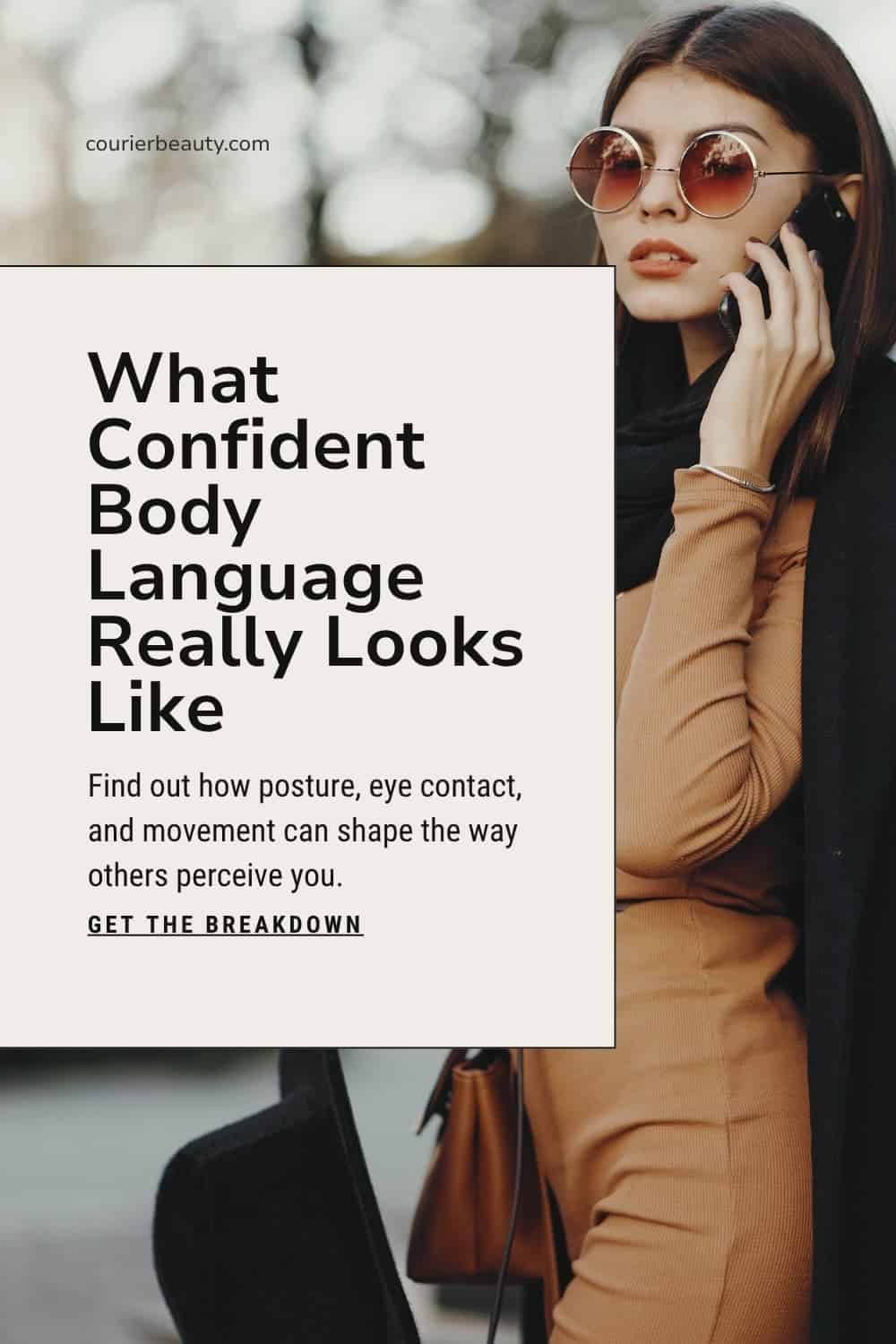
Mistake #5: Fidgeting Excessively
Constantly playing with your jewelry, adjusting your clothes, tapping your fingers, or checking your phone can signal anxiety.
Everyone fidgets from time to time. The problem is when these behaviors become frequent enough for other people to notice.
What to do instead:
- Start paying attention to your fidgeting habits
- Keep your hands relaxed and purposeful whenever possible
Why it works:
Remaining still often communicates confidence and self-control.
RELATED POST: 3 Silent Confidence Killers (and How to Fix Them)
Mistake #6: Making Yourself Smaller
Many people unconsciously make themselves smaller when they feel unsure of themselves.
Examples include:
- Hunching your shoulders
- Crossing your legs tightly
- Folding inward
- Sitting on the edge of your chair
What to do instead:
- Give yourself permission to take up space comfortably.
- Sit back in your chair.
- Relax your shoulders.
- Avoid making yourself smaller than necessary.
Why it works:
Confident people generally look comfortable occupying an appropriate amount of space.
Mistake #7: Speaking Too Quietly
Your voice is closely connected to your body language.
Even with good posture, speaking so softly that people struggle to hear you can weaken your confident presence.
What to do instead:
- Speak clearly at a comfortable volume.
- Slow down if you tend to rush your words.
- Make sure people can hear you without straining.
Why it works:
A clear voice helps communicate confidence and authority.
Mistake #8: Constantly Apologizing
Many people apologize far more often than necessary.
Examples include:
- “Sorry for bothering you.”
- “Sorry, but I have a question.”
- “Sorry, I just wanted to add something.”
When overused, apologies can make you appear less confident.
What to do instead:
- Save apologies for situations where they’re genuinely appropriate.
- When no apology is needed, make your request directly and politely.
Why it works:
Confident communication shows respect for both your own time and the other person’s.
Mistake #9: Smiling Only When You Feel Nervous
Smiling is usually a positive thing. However, some people smile too often when they feel uncomfortable or uncertain.
This kind of nervous smiling can sometimes weaken the message they’re trying to communicate.
What to do instead:
- Let your facial expressions reflect the situation naturally.
- Smile when it feels genuine rather than out of habit.
Why it works:
Genuine expressions often come across as more confident than forced ones.
Mistake #10: Avoiding Gestures Entirely
Some people become so focused on looking calm and composed that they stop using hand gestures altogether.
As a result, their communication can come across as rigid or unnatural.
What to do instead:
- Use natural hand gestures while you speak.
- Let your gestures support your words rather than distract from them.
Why it works:
Gestures help express enthusiasm, improve clarity, and reinforce confident communication.
Mistake #11: Constantly Looking at Your Phone
Phones have become a common way to shield ourselves from discomfort. When people feel awkward or unsure, they often reach for their devices without even thinking about it.
Unfortunately, this can make you appear:
- Distracted
- Unapproachable
- Unengaged
What to do instead:
- Keep your phone out of sight during conversations when possible.
- Make an effort to stay present during social interactions.
Why it works:
Being fully present is one of the strongest and most confident qualities you can show.
Mistake #12: Walking Too Quickly or Too Hesitantly
The way you walk sends a message about your confidence. Moving too quickly can suggest stress, while hesitant movements may signal uncertainty.
What to do instead:
- Walk at a calm, steady pace.
- Keep your movements relaxed and purposeful.
Why it works:
Purposeful movement generally appears more confident than movement that feels rushed or hesitant.
Mistake #13: Avoiding Facial Expressions
Keeping a completely neutral expression can sometimes make you seem distant or disconnected.
What to do instead:
- Let your facial expressions show genuine interest and engagement.
- Allow your expressions to change naturally throughout the conversation.
Why it works:
Expressive communication helps create connection and build trust.
Mistake #14: Constantly Seeking Reassurance
Body language isn’t just about physical actions. It also includes the behaviors and habits you display.
Repeatedly asking questions such as:
- “Is this okay?”
- “Do you think I did well?”
- “Was that stupid?”
can unintentionally communicate self-doubt.
What to do instead:
- Practice trusting your own judgment more often.
- Pause before asking others for reassurance.
Why it works:
Confidence grows as you learn to rely on yourself.
Mistake #15: Forgetting to Breathe
When people feel anxious, their breathing often becomes shallow.
This can affect your:
- Voice quality
- Posture
- Presence
- Energy
What to do instead:
- Take slow, steady breaths before important conversations or events.
- Pause for a moment if you notice your breathing becoming shallow.
Why it works:
Steady breathing helps regulate both your body and your sense of confidence.
What Confident Body Language Actually Looks Like
Confident body language is often much simpler than people think.
It usually includes:
- Good posture
- Natural eye contact
- Relaxed shoulders
- Purposeful movement
- Open body language
- A clear speaking voice
- Calm gestures
Notice that none of these qualities require perfection. They simply reflect ease, confidence, and self-assurance.
Want to build genuine confidence? Presence by Amy Cuddy (available on Bookshop.org) explores how your body language can influence not only how other people see you, but also how you feel about yourself. It’s an encouraging read filled with practical insights for becoming more confident in everyday situations.
book tip
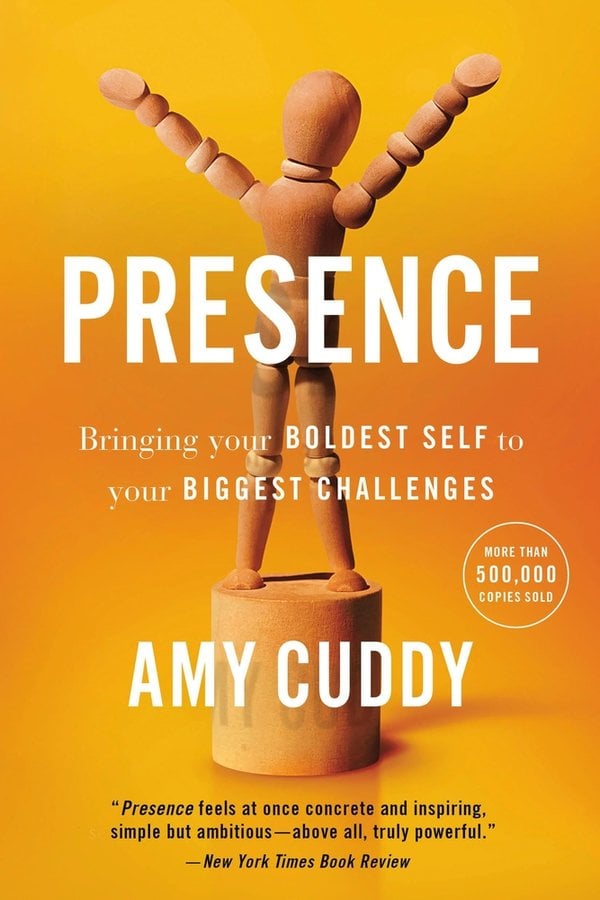
Presence
By Amy Cuddy
Learn how psychology and body language can help you approach important moments with greater confidence and composure.
Did you know? When you buy from Bookshop.org, you help support independent bookstores.
RELATED POST: What Self-Confidence Really Looks Like (It’s Not What You Think)
The Difference Between Confidence and Arrogance
Many people worry that looking confident will make them seem arrogant. In reality, the two are very different.
Arrogance often seeks attention and validation. Confidence tends to be much quieter.
Confident people don’t feel the need to dominate every conversation. They simply trust themselves enough to be fully present.
If you’ve ever wondered why some people naturally draw others in, The Charisma Myth by Olivia Fox Cabane (available on Bookshop.org) explains how warmth, confidence, and presence can all be developed. It shows that charisma isn’t something you’re born with—it’s a skill you can build.
book tip
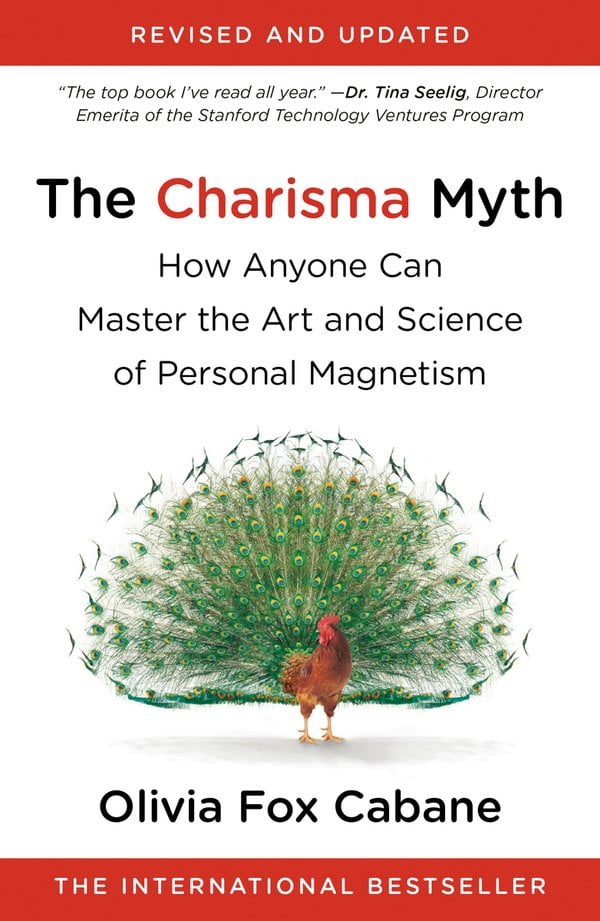
The Charisma Myth
By Olivia Fox Cabane
Discover how charisma can be developed through intentional habits, communication skills, and self-awareness.
Did you know? When you buy from Bookshop.org, you help support independent bookstores.
How Body Language Builds Confidence
One of the most interesting things about body language is that it works in both directions.
Confidence influences your body language, but your body language can also influence how confident you feel.
When you:
- Stand taller
- Make eye contact
- Speak clearly
- Move with purpose
you often begin to feel more confident too.
This creates a positive cycle. Small improvements in your body language can gradually strengthen your self-belief.
If you’d like to understand people better, Captivate by Vanesssa Van Edwards (available on Bookshop.org) offers practical techniques for improving your conversations, reading body language, and making stronger first impressions. It’s packed with advice you can start using right away.
book tip
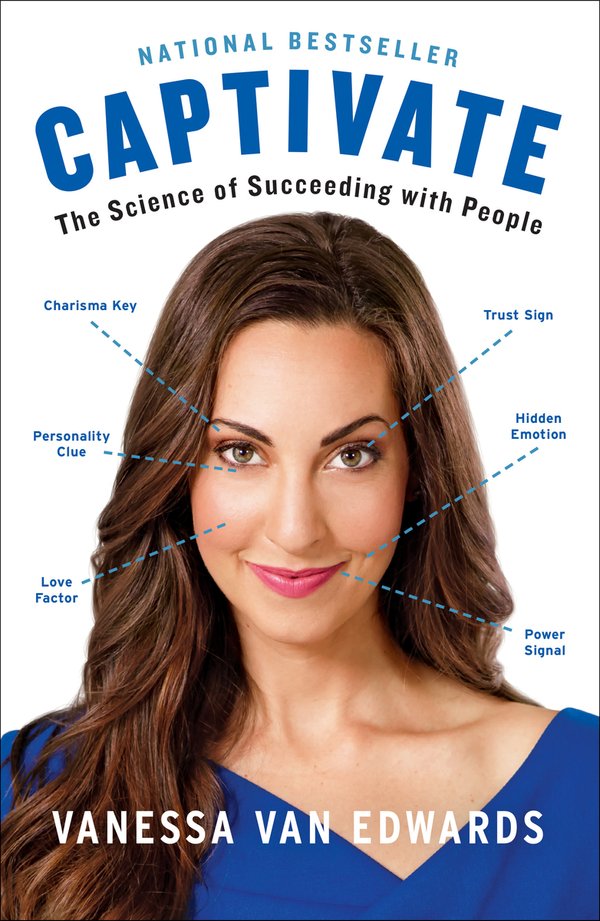
Captivate
By Vanessa Van Edwards
Learn how insights from behavioral science can help you communicate more effectively and build meaningful relationships.
Did you know? When you buy from Bookshop.org, you help support independent bookstores.
Building More Confident Body Language
You don’t have to change everything at once. Focus on one habit at a time.
Perhaps:
- Improving your posture
- Making more eye contact
- Speaking more clearly
- Reducing fidgeting
Small changes, practiced consistently, often lead to the biggest improvements.
Ready to keep building your confidence? Confidence by Roxie Nafousi (available on Bookshop.org) explores how self-belief develops over time and why small, consistent actions often lead to lasting change. It’s an inspiring read for anyone looking to strengthen their confidence in everyday life.
book tip
Confidence
By Roxie Nafousi
Discover practical strategies for building lasting confidence through self-awareness, intentional action, and personal growth.
Did you know? When you buy from Bookshop.org, you help support independent bookstores.
Final Thoughts
Confidence isn’t just something you feel. It’s also something you communicate.
The way you stand, walk, speak, and interact with others sends powerful messages about how you see yourself.
The good news is that confident body language isn’t about becoming a different person. It’s about recognizing the body language mistakes that unintentionally communicate self-doubt and replacing them with habits that reflect greater self-assurance.
You don’t need perfect posture, perfect eye contact, or a perfect presence. You simply need to become a little more aware of how you carry yourself.
Because confidence often starts long before you speak—and even small changes can make a surprisingly big difference.
*This article is for informational purposes only and should not be considered medical or dermatological advice. Always consult with a dermatologist or qualified skincare professional for personalized recommendations tailored to your skin type and concerns.

Linda, co-founder of Courier Beauty, holds a BA in Fashion Marketing, a PG certificate in Fashion & Luxury Goods Management, and a Diploma in Natural Health Nutrition & Diet. Inspired by photography, food, and travel, she loves holistic beauty and nourishing the skin naturally.