
The Ultimate Guide to Korean Skincare: Everything You Need to Know
Korean skincare—often called K-beauty—has become one of the most talked-about trends in the global beauty world.
If you’ve ever wondered why everyone seems to be obsessed with glass skin, hydrating essences, and multi-step routines, the answer usually leads back to Korean skincare.
What makes Korean skincare so different?
Instead of chasing quick fixes, it focuses on prevention, deep hydration, and building healthy skin over time. The goal isn’t just to treat problems when they appear—it’s to create a routine that keeps your skin balanced, strong, and naturally radiant.
In this ultimate guide, you’ll discover the principles behind Korean skincare, the steps in a typical routine, the ingredients worth knowing, and practical tips to help you get started.
Let’s dive in!
This post contains affiliate links, which means we may earn a commission if you purchase through our links—at no extra cost to you. As an Amazon Associate we earn from qualifying purchases. We only recommend products we use or trust. Learn more about affiliate marketing or read our full disclosure.
What Makes Korean Skincare Unique?
The philosophy behind Korean skincare is refreshingly simple: healthy skin comes from consistent care, hydration, and protection.
Instead of focusing only on fixing problems like acne or wrinkles after they appear, Korean skincare is all about preventing those issues in the first place.
The goal is to support your skin barrier, keep your skin well-hydrated, and maintain balance over time.
One of the things that makes Korean skincare stand out is its layering approach. Rather than relying on one heavy product, the routine uses several lightweight layers that each deliver hydration and beneficial ingredients.
These layers work together to nourish your skin without overwhelming it, allowing products to absorb better and support overall skin health.
Another key feature of Korean skincare is the focus on gentle, skin-friendly formulas. Many products avoid harsh ingredients and instead use soothing botanicals, fermented extracts, and deeply hydrating compounds that help calm and strengthen the skin.
book tip

The Little Book of Skincare
By Charlotte Cho
In this book, Charlotte Cho, co-founder of Soko Glam, takes you inside the world of Korean beauty rituals.
Did you know? When you buy from Bookshop.org, you help support independent bookstores.
Just as important is the cultural mindset behind it.
In Korea, skincare is often seen as a form of self-care rather than a daily chore. Taking a few minutes to apply your products can feel like a small, relaxing ritual—something that benefits not only your skin but also your overall sense of well-being.
related Posts:
- Korean Skincare Routine Made Easy: A Beginner’s Step-by-Step Guide
- 10 Step Korean Skincare Routine: Everything You Need to Know
- Korean Sheet Masks 101: Benefits, Tips & How to Choose
- Korean Glass Skin Secrets: Tips and Tricks for a Flawless Complexion
- Korean Beauty Tips That Actually Work (No Perfect Genes Needed)
- How to Get Korean Skin: Secrets to Achieving the Perfect Glow
- Korean Skincare vs Western: The Truth About Which is Better
The Famous 10-Step Korean Skincare Routine
When people talk about Korean skincare, the famous 10-step routine almost always comes up.
While it might sound intimidating at first, the idea isn’t to pile on as many products as possible. In reality, many people adjust the routine depending on their skin type, concerns, and daily schedule.
The real goal of the Korean skincare routine is to layer targeted products in a way that helps your skin absorb hydration and beneficial ingredients more effectively.
Some days you might use all the steps, while other days you may only follow a few—and that’s perfectly fine.
Below is the traditional structure of the routine:
1. Oil-Based Cleanser
The first step in a Korean skincare routine is an oil-based cleanser. This step is designed to remove makeup, sunscreen, and excess sebum that build up on your skin throughout the day.
Oil cleansing works on a simple principle: oil dissolves oil. An oil cleanser breaks down oil-based impurities without stripping away your skin’s natural moisture. Instead of leaving your skin tight or dry, it helps keep it balanced and comfortable.
If you regularly wear makeup or apply sunscreen, this step helps ensure your skin feels truly clean and refreshed at the end of the day.
2. Water-Based Cleanser
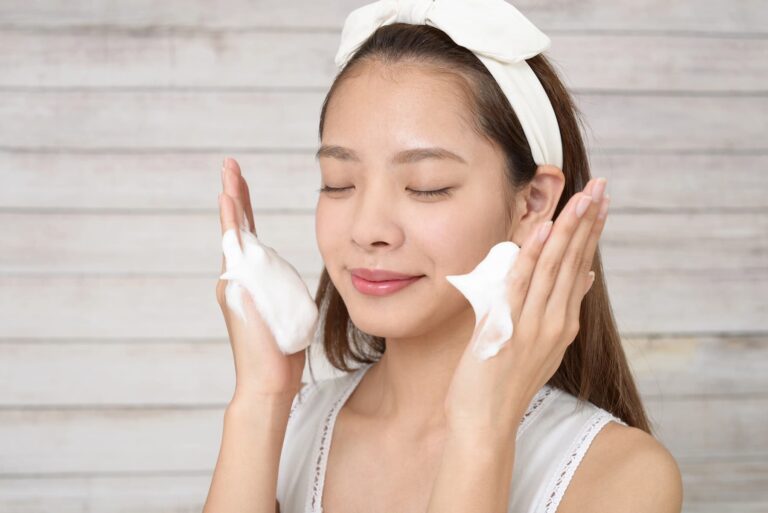
The second step completes the double cleansing method, which is a cornerstone of Korean Skincare.
After using an oil cleanser, a gentle water-based cleanser helps wash away sweat, dirt, and any remaining residue left on the skin. This step ensures your skin is thoroughly clean without feeling stripped or dry.
Double cleansing is popular in Korean Skincare because it removes impurities in two stages. The oil cleanser breaks down oil-based products like makeup and sunscreen, while the water-based cleanser clears away water-based impurities such as sweat and dirt.
When done with gentle formulas, double cleansing helps keep your skin clean, balanced, and ready to absorb the products that follow in your routine.
3. Exfoliation (1–2 Times a Week)
Exfoliation helps remove dead skin cells from the surface of your skin, which can leave your complexion looking brighter and smoother. It also helps unclog pores and allows the rest of your Korean Skincare products to absorb more effectively.
In Korean Skincare, exfoliation is usually done gently and in moderation—typically once or twice a week rather than every day. The goal is to support healthy skin turnover without irritating the skin barrier.
Instead of harsh physical scrubs, many Korean Skincare routines favor chemical exfoliants such as AHAs, BHAs, and PHAs. These ingredients work by gently dissolving the bonds between dead skin cells, helping them shed more easily and improving overall skin texture over time.
When used correctly, exfoliation can make your skin feel softer, look more radiant, and help the rest of your skincare routine work even better.
4. Toner
In Korean Skincare routines, toners are quite different from the harsh, alcohol-based formulas you might be used to in Western skincare.
Instead of stripping your skin, toners in K-beauty focus on hydration and maintaining your skin’s natural pH balance. They act as a gentle prep step, helping your skin absorb the next products in your routine more effectively.
Using a toner can leave your skin feeling refreshed, soft, and ready to soak up serums, essences, and moisturizers that follow.
5. Essence
Essence is one of the most unique and beloved products in Korean Skincare.
It has a lightweight, watery texture but packs a punch with active ingredients that hydrate, improve skin texture, and support healthy cell turnover. Many skincare enthusiasts even call essence the “heart” of a K-beauty routine because it delivers the core benefits that make your skin glow.
Think of it as a supercharged hydration boost that preps your skin to get the most out of the serums and moisturizers that come next.
6. Serum or Ampoule
Serums and ampoules are concentrated treatments in Korean Skincare designed to target specific skin concerns, such as:
- Acne
- Hyperpigmentation
- Fine lines
- Dehydration
- Uneven skin tone
The difference?
Ampoules are usually more potent than serums and are often used for short-term, intensive care when your skin needs an extra boost. Serums, on the other hand, can be incorporated into your daily routine for ongoing support.
Think of these as your skin’s personalized solution—powerful little helpers that focus on exactly what your skin needs most.
7. Sheet Mask
Sheet masks are one of the most iconic elements of Korean Skincare.
These masks are soaked in nutrient-rich serums and laid directly on your skin, delivering an intense boost of hydration and nourishment. They’re perfect for a few times a week when your skin needs extra care—or even just a little self-care and relaxation.
Think of a sheet mask as a mini spa treatment at home: it not only helps your skin absorb beneficial ingredients but also gives you a moment to pause and unwind.
8. Eye Cream
The skin around your eyes is thinner and more delicate than the rest of your face, which means it needs a little extra care.
In Korean Skincare, eye creams are specially formulated to hydrate this sensitive area and help reduce the appearance of dark circles, puffiness, and fine lines.
Think of eye cream as a gentle, targeted treatment that keeps your eyes looking bright and refreshed—without tugging or irritating the skin.
9. Moisturizer
Moisturizers are the step that locks in all the hydration and helps strengthen your skin barrier.
In Korean Skincare, moisturizers come in a variety of textures—from lightweight gels perfect for oily or combination skin to richer creams that deeply nourish dry skin. This step ensures that all the layers you’ve carefully applied so far—cleansers, essences, serums—stay sealed in, keeping your skin hydrated and healthy throughout the day or night.
Think of moisturizer as the final hug for your skin, holding everything together and boosting the effectiveness of your entire routine.
10. Sunscreen (Morning Only)
Sunscreen is arguably the most important step in any Korean Skincare routine.
Applying SPF daily protects your skin from harmful UV rays, helps prevent premature aging, and reduces the risk of hyperpigmentation. Think of it as the ultimate protector—everything you’ve done in the morning to care for your skin can be undone if you skip this step.
Consistent use of sunscreen preserves the benefits of your entire routine, keeping your skin healthy, glowing, and youthful over time.
Key Ingredients in Korean Skincare
Korean Skincare is well-known for its innovative and effective ingredients that go beyond basic hydration, actively supporting skin health and improving texture.
Here are some of the most popular ones:
1. Snail Mucin
Snail mucin has become one of the most iconic ingredients in Korean Skincare.
Packed with glycoproteins, peptides, antioxidants, and hyaluronic acid, snail mucin helps hydrate, repair, and strengthen the skin barrier.
Many people notice smoother, more supple, and deeply nourished skin after incorporating snail mucin products into their routine.
2. Centella Asiatica
Also called cica, centella asiatica is a soothing plant extract that’s a staple in Korean Skincare.
This ingredient is beloved for its ability to calm redness, reduce inflammation, and strengthen the skin barrier. It’s especially helpful for sensitive or acne-prone skin, making it a go-to for anyone looking to keep their complexion calm, balanced, and healthy.
3. Hyaluronic Acid
Hyaluronic acid is a superstar ingredient in Korean Skincare, known for its incredible ability to draw water into the skin.
Many K-beauty products use multiple molecular weights of hyaluronic acid, which allows hydration to penetrate at different layers of the skin.
The result?
Deep, long-lasting moisture that keeps your skin plump, soft, and glowing throughout the day.
4. Fermented Ingredients
Fermented ingredients—like fermented rice, soybeans, and yeast extracts—are a hallmark of Korean Skincare.
The fermentation process helps break down ingredients, making their beneficial compounds more potent and easier for your skin to absorb. This can lead to smoother texture, improved radiance, and an overall healthier-looking complexion.
5. Ginseng
Ginseng is a traditional Korean herbal ingredient celebrated for its anti-aging benefits in Korean Skincare.
Packed with antioxidants, it helps protect your skin from environmental stressors while supporting elasticity and firmness. Regular use can leave your skin looking more youthful, resilient, and energized—making it a favorite in many K-beauty routines.
The “Glass Skin” Trend
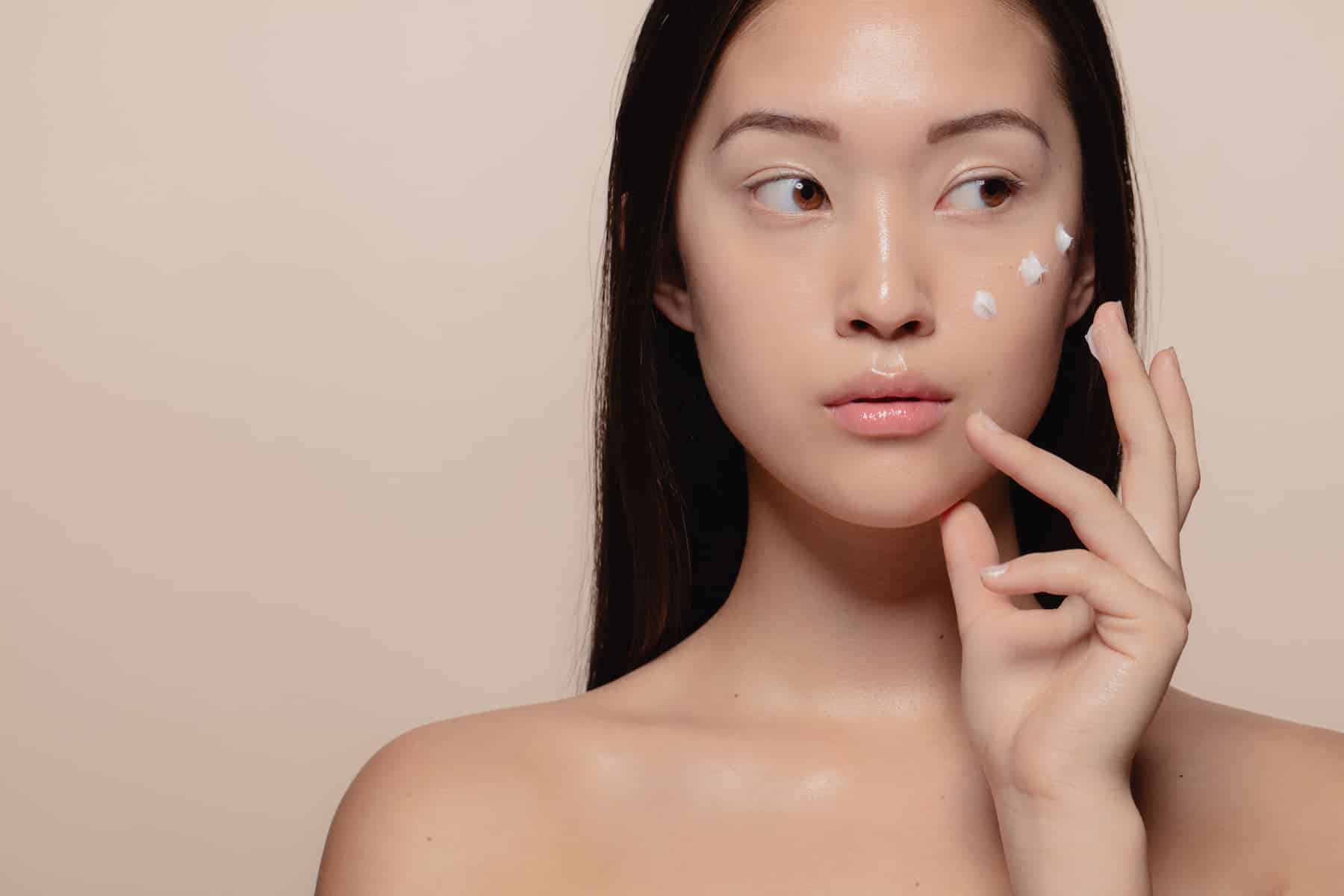
One of the most talked-about results of Korean Skincare is the coveted “glass skin.”
Glass skin describes a complexion that looks:
- Smooth
- Hydrated
- Clear
- Radiant
- Almost reflective
Getting this glowing, dewy look isn’t about heavy makeup or filters—it’s about consistent care. Achieving glass skin comes from maintaining a well-hydrated skin barrier and following a routine that emphasizes gentle, nourishing products.
With patience and the right steps, your skin can look healthy, luminous, and truly glass-like.
Do You Really Need 10 Steps?
Even though the 10-step routine is what Korean Skincare is famous for, not everyone follows all ten steps every single day—and that’s perfectly fine.
Many dermatologists and skincare enthusiasts recommend a simplified routine that focuses on the essentials:
- Cleanser
- Toner or essence
- Treatment serum
- Moisturizer
- Sunscreen (for daytime)
Think of the 10-step routine as a flexible framework rather than a strict rule. You can mix and match steps based on your skin type, schedule, and what your skin actually needs that day.
The key is consistency and using the right products for your unique skin—not checking off every single step.
Tips for Starting a Korean Skincare Routine
If you’re new to Korean Skincare, the best approach is to start slowly and let your skin adjust. Jumping in with every product at once can be overwhelming—and even counterproductive.
Here are some helpful tips to get started:
1. Start Simple
Begin with a basic routine: cleanser, moisturizer, and sunscreen. Once your skin is comfortable, you can gradually introduce other products like toners, essences, or serums.
Starting simple helps you understand how your skin reacts and prevents irritation from too many new ingredients at once.
2. Focus on Hydration
Hydration is the heart of Korean Skincare. Well-hydrated skin not only looks plump and radiant but also helps all your other products work more effectively.
Look for ingredients that attract and retain moisture, like hyaluronic acid, glycerin, or snail mucin. Even a lightweight essence or serum can make a big difference in keeping your skin soft, smooth, and healthy.
3. Introduce Products Gradually
When it comes to Korean Skincare, less is often more at the start. Adding too many products at once can overwhelm or irritate your skin.
Introduce new items one at a time and give your skin a few days—or even a week—to adjust before adding another. This way, you can see how each product works for you and avoid unwanted reactions.
4. Patch Test
Before fully committing to a new product in your Korean Skincare routine, it’s always smart to do a patch test.
Apply a small amount to a discreet area—like your jawline or inner arm—and wait 24–48 hours to see how your skin reacts. This simple step can help prevent irritation, breakouts, or allergic reactions, keeping your skin safe as you explore new products.
5. Be Consistent
When it comes to Korean Skincare, patience is key. Results don’t happen overnight, and using a lot of products all at once won’t magically transform your skin.
Consistency—showing up for your routine day after day—is far more important. Even a simple regimen followed regularly can lead to noticeable improvements in hydration, texture, and overall skin health over time.
Why Korean Skincare Became So Popular
The global rise of Korean Skincare didn’t happen by accident. Over the past decade, K-beauty has captured attention around the world thanks to its innovative approach and impressive results.
Several factors have helped fuel its popularity:
- Innovative ingredients and formulations
- A strong focus on hydration and prevention
- High-quality products that are often very affordable
- The global influence of Korean pop culture and social media
- Skincare routines designed to support long-term skin health
Another reason Korean Skincare stands out is the beauty industry in South Korea itself. It’s highly competitive, which pushes brands to constantly research, innovate, and release new products.
As a result, skincare technology evolves quickly, giving consumers access to cutting-edge formulas and ingredients.
Genetics and Skin Type
Part of why Korean Skincare is so effective comes down to genetics. Korean skin tends to have a naturally strong barrier, thicker dermal layers, and higher collagen levels, which can help it stay resilient and smooth for longer.
In fact, many people notice that Korean skin often shows signs of aging later compared to some other skin types.
Of course, genetics isn’t everything—consistent care, hydration, and sun protection are still key—but understanding these natural advantages helps explain why preventive, hydration-focused routines are so effective in Korean Skincare.
By supporting your skin with gentle, nourishing products, you can maintain its natural elasticity, glow, and overall health over time.
Korean Diet and Skin Health
No skincare routine—no matter how perfect—can truly transform your skin if you don’t also take care of it from the inside. Many people don’t realize that diet plays a huge role in achieving healthy, radiant skin.
Traditional Korean foods are packed with nutrients, antioxidants, and probiotics that naturally support skin health. Fermented foods like kimchi and fermented soybean products are rich in beneficial bacteria that aid digestion and gut health, which is closely linked to your skin’s appearance.
Other staples, such as seaweed, garlic, ginger, and green tea, provide anti-inflammatory and antioxidant benefits that help protect your skin from damage and promote a clear, glowing complexion.
When combined with a thoughtful Korean Skincare routine, a nutrient-rich diet can make a noticeable difference in how your skin looks and feels.
Final Thoughts
Korean Skincare has truly revolutionized the beauty world by promoting a holistic approach to skin health. Instead of relying on harsh treatments or quick fixes, K-beauty focuses on gentle care, consistent routines, and layered hydration.
The famous 10-step routine might seem intimidating at first, but its core philosophy is simple: cleanse thoroughly, hydrate deeply, address specific concerns, and protect your skin from sun damage.
You don’t need to do all ten steps every day—what matters most is understanding the principles and adapting them to your own needs.
And remember, great skin isn’t just about what you put on it—it’s also about what you put in your body. A healthy, nutrient-rich diet works hand-in-hand with your skincare routine to support radiant, balanced, and glowing skin.
By combining thoughtful Korean Skincare practices with good nutrition, you can create a routine that helps your skin stay healthy and luminous for years to come.
*This article is for informational purposes only and should not be considered medical or dermatological advice. Always consult with a dermatologist or qualified skincare professional for personalized recommendations tailored to your skin type and concerns.

Linda, co-founder of Courier Beauty, holds a BA in Fashion Marketing, a PG certificate in Fashion & Luxury Goods Management, and a Diploma in Natural Health Nutrition & Diet. Inspired by photography, food, and travel, she loves holistic beauty and nourishing the skin naturally.