

Korean Beauty Tips That Actually Work (No Perfect Genes Needed)
Korean skin is often the gold standard when it comes to smooth, clear, and radiant beauty—and it’s no wonder so many of us are curious about what makes it so special.
Is it all about genetics, or are there other secrets behind it?
In this article, we’ll take a closer look at the key factors that make Korean skin so unique. We’ll also explore some of the skincare traditions that have taken the world by storm, giving you fresh ideas and inspiration for your own skincare routine.
Ready to dive in? Let’s get started!
This post contains affiliate links, which means we may earn a commission if you purchase through our links—at no extra cost to you. As an Amazon Associate we earn from qualifying purchases. We only recommend products we use or trust. Learn more about affiliate marketing or read our full disclosure.
Genetics: The Foundation of Korean Skin
When it comes to the glow and clarity of Korean skin, genetics definitely play a big part. But what exactly is it about their genes that give Korean skin its unique qualities?
Found this helpful? Pin it for later so you can come back anytime.

Let’s break it down:
1. Melanin Production
Melanin is the key player when it comes to your skin’s color and its natural defense against UV rays.
For East Asian skin, like Korean skin, genetics play a big role in creating its naturally lighter tones. Unlike Europeans, where changes in the MC1R gene influence pigmentation, East Asians have unique variations in genes like OCA2, SLC24A5, and ADAMTS20.
These differences reduce the production of eumelanin—the brown-black pigment that offers strong UV protection—resulting in lighter skin.
But here’s the catch: with less eumelanin, Korean skin can be more sensitive to sun damage, which is why sun protection is a must.
2. Skin Type
According to one study, the OSNT skin type (based on the Baumann Skin Type System) is the most common among South Korean women.
OSNT stands for:
- Oily
- Sensitive
- Non-Pigmented
- Tight
People with this skin type typically have an oily complexion. But since they also have increased sensitivity, they can experience a shiny appearance while also being prone to irritation or redness.
What’s interesting about OSNT skin is that it’s less susceptible to wrinkles, thanks to the antioxidant-rich sebum it produces. This sebum helps protect the skin, offering a defense against premature aging.
3. Skin Thickness and Structure
Asian skin has some pretty amazing qualities that help it age more gracefully compared to other skin types.
Research shows that it tends to have a thicker dermis, more collagen, and higher melanin content.
These features work together to keep the skin firm, elastic, and youthful-looking for longer.
Instead of developing fine lines and wrinkles early, aging in Asian skin often shows up as pigmentation changes, like uneven tone or dark spots.
So, it’s no surprise that South Koreans are known for their youthful, glowing skin—it’s all part of these amazing natural advantages.
RELATED POST: 10 Step Korean Skincare Routine: Everything You Need to Know
Environmental and Lifestyle Factors
Genetics definitely set the stage, but it’s the environment and lifestyle choices that really shape the look and feel of Korean skin.
Let’s take a closer look at how these factors play a role:
1. Diet
Korean food isn’t just delicious—it’s also packed with ingredients that do wonders for your skin.
With a focus on fresh vegetables, fermented foods, and nutrient-rich seafood, Korean cuisine offers a natural way to support healthy, glowing skin from the inside out.
Let’s dive into a few key ingredients that make Korean food a skin-friendly choice:
kimchi
This iconic fermented cabbage dish is more than just a tasty side. It’s loaded with probiotics, vitamins, and antioxidants that help support gut health, which, as we know, plays a big role in achieving clear, radiant skin.
seaweed
Whether it’s in soups or wraps, seaweed is a skin nutrition powerhouse. Full of vitamins and minerals, it helps detoxify your body and gives your skin the nutrients it needs to stay healthy and glowing.
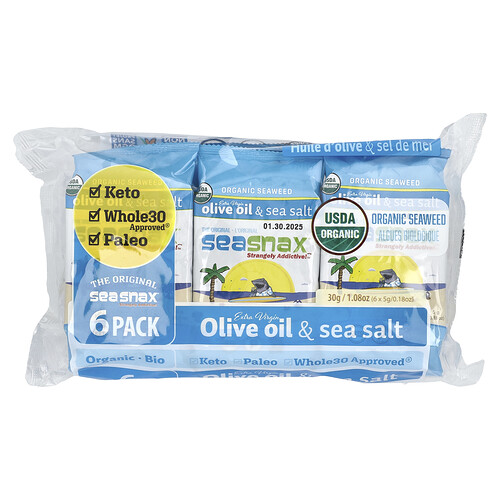
SeaSnax, Organic Seaweed, Extra Virgin Olive Oil & Sea Salt, 6 Pack, 0.18 oz (5 g) Each
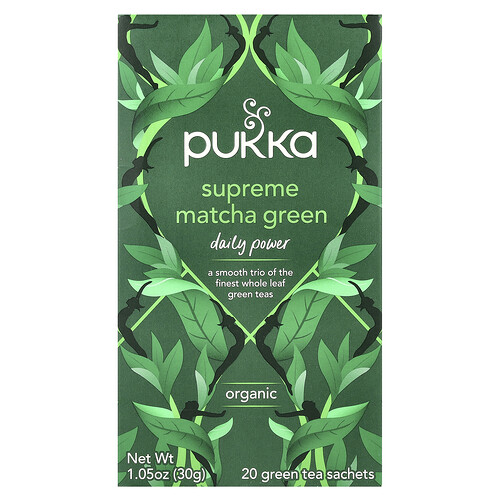
green tea
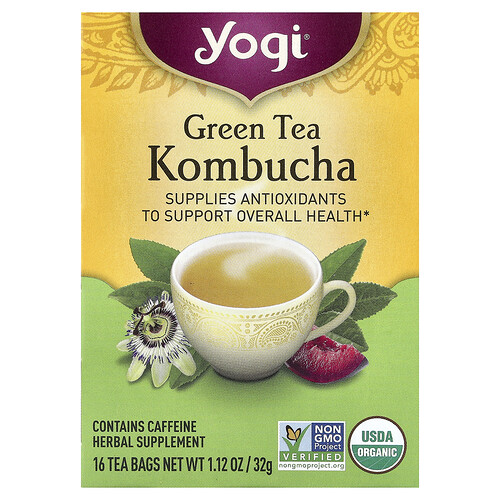
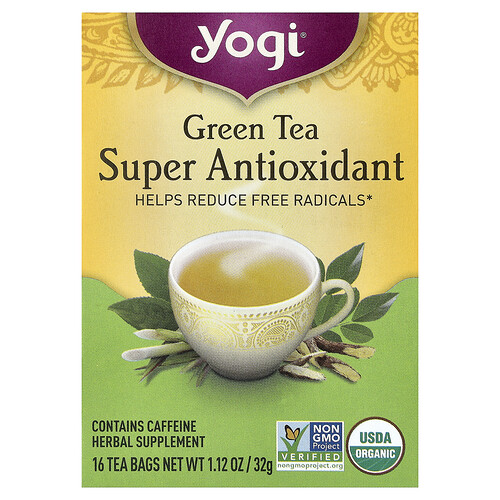
A beloved staple in Korean culture, green tea deserves all the hype.
Its anti-inflammatory and antioxidant properties help fight free radicals, calm inflammation, and promote a balanced, soothed complexion.
2. Climate
Korea’s climate is quite diverse, with hot, humid summers and cold, dry winters. This means that skin is exposed to a wide range of environmental conditions, each of which requires a different approach to skincare.
Just like people, skin thrives when it’s given what it needs in the moment.
For example, during the humid summer months, skin may do better with lightweight, hydrating products that allow it to breathe.
On the other hand, the harsh winter air calls for richer, ceramide-based moisturizers to keep skin feeling nourished and comfortable.
By understanding these seasonal shifts, like they do in Korea, it’s easier to create a skincare routine that’s in tune with the changing needs of your skin, offering the care it deserves all year round.
Cultural Influence on Skincare Practices
In Korean culture, appearance and skincare are highly valued, which has led to the development of innovative and detailed skincare routines that have captured attention worldwide.
1. The Multi-Step Skincare Routine
The Korean skincare routine isn’t just about following a list of steps—it’s a thoughtful process that focuses on treating your skin with care, attention, and a bit of love.
With 10 steps (or more!), the routine is all about cleansing, hydrating, and using treatments that cater to your skin’s specific needs. Each step plays a role in helping your skin stay clean, nourished, and glowing.
Let’s take a closer look at some of the key steps:
double cleansing
This two-step process helps clear away makeup, sunscreen, and dirt without stripping your skin.
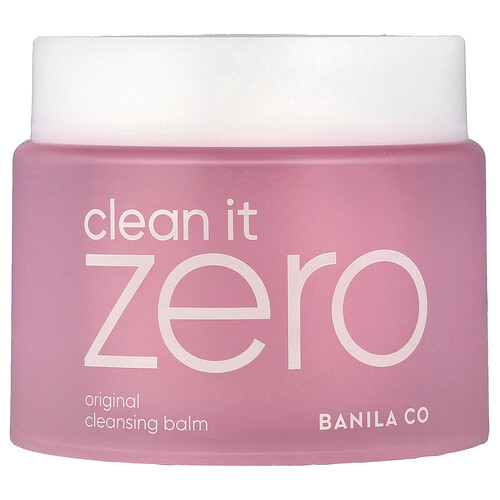
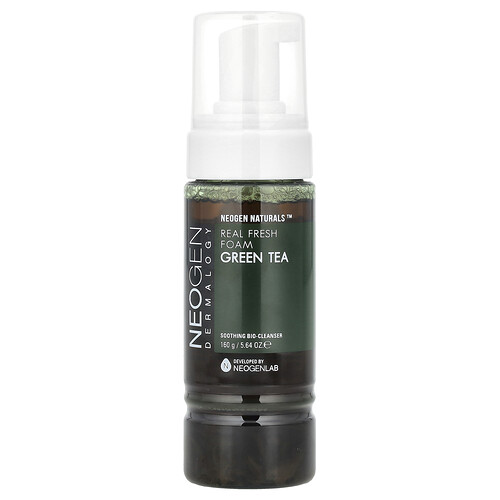
It starts with an oil-based cleanser, like the Banila Co Clean It Zero Cleansing Balm (available on iHerb), to dissolve impurities, followed by a water-based cleanser, such as the Dermalogy by Neogenlab Real Fresh Foam Cleanser, to cleanse deeply.
essence and serums
Think of these as little boosts for your skin—lightweight, hydrating layers that deliver active ingredients right where they’re needed most, helping your skin stay balanced and healthy.
For example, the Cosrx Advanced Snail 96 Mucin Power Essence (available on iHerb.com) is a popular choice, known for its deeply hydrating and rejuvenating properties that promote a glowing complexion.
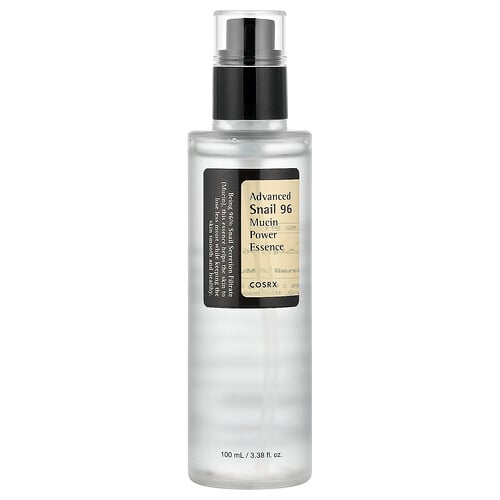
CosRx, Advanced Snail 96 Mucin Power Essence, 3.38 fl oz (100 ml)
sheet masks
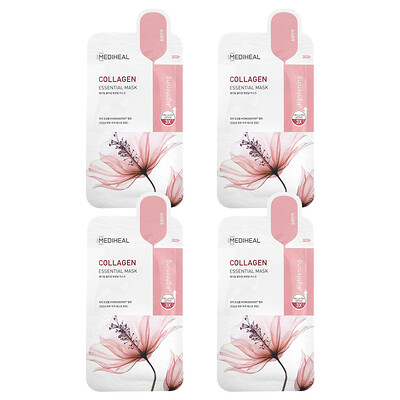
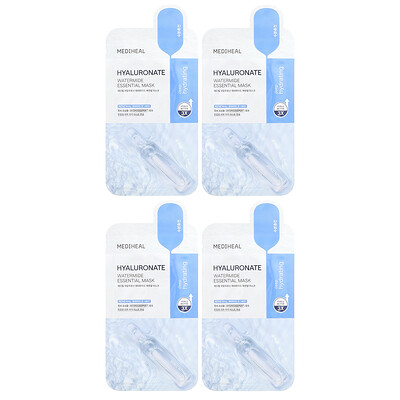
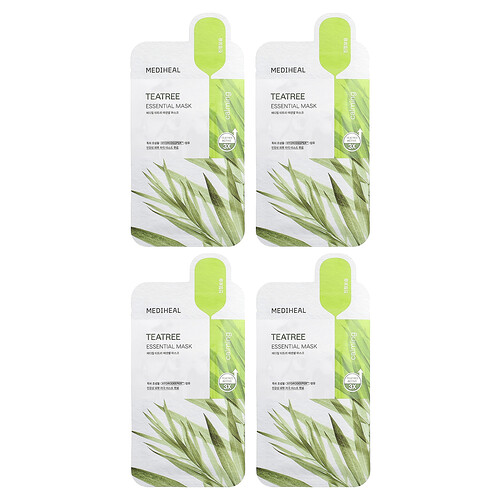
Infused with concentrated essences, sheet masks are a treat for your skin and a moment of relaxation for you. They deeply hydrate and nourish your skin, giving you some extra self-care while you kick back and relax.
Great options to try are the Mediheal Sheet Masks (available on iHerb), loved for their ability to provide intense hydration and leave skin feeling refreshed and revitalized.
Found this helpful? Pin it for later so you can come back anytime.

2. Sun Protection
In Korea, sun protection is more than just a routine—it’s considered an essential part of self-care. People often make small, consistent choices like applying sunscreen daily, wearing hats, or opting for protective clothing.
These habits come from a deep understanding of how UV radiation can harm the skin, helping to prevent issues like sunburn, hyperpigmentation, and early signs of aging.
I highly recommended the EltaMD UV Clear Broad-Spectrum SPF 46 (available on Amazon), which offers effective sun protection for acne-prone and sensitive skin, making it perfect for daily use.
By prioritizing sun protection, Koreans take a proactive approach to keeping their skin healthy, glowing, and youthful for the long haul.
RELATED POST: Korean Skincare vs Western: The Truth About Which is Better
3. Innovation in Skincare Products
The Korean beauty industry is known for its impressive innovation, constantly introducing unique, nature-inspired ingredients like snail mucin, ginseng, and propolis.
A perfect example is the Cosrx Advanced Snail 92 All in One Cream (available on Amazon), which harnesses the power of snail mucin to deeply hydrate, repair, and restore your skin’s vitality.
These ingredients aren’t just trending—they’re cherished for their ability to truly nourish and restore the skin.
From providing deep hydration to supporting anti-aging and soothing sensitive areas, each ingredient works gently but effectively, helping your skin look and feel its best.
Comparing Korean Skin to Other Ethnic Groups
To really get a sense of what makes Korean skin unique, it helps to compare it with the skin of other ethnic groups.
Let’s take a look at some of the key differences in skin characteristics and skincare practices across various populations:
1. Caucasian Skin
characteristics
Caucasian skin tends to be more prone to sun damage and visible signs of aging, like wrinkles and fine lines.
This is often because it has lower levels of melanin, which provides some natural sun protection.
Genetic factors, such as variants in the MC1R and TYR genes, play a big role in these traits, making sun protection especially important.
skincare focus
The main focus is usually on anti-aging and sun protection. Retinoids, antioxidants, and broad-spectrum sunscreens are commonly used to combat wrinkles, prevent sun damage, and maintain youthful-looking skin.
Antioxidants are particularly helpful as they fight UV-induced free radicals that can speed up aging.
2. African Skin
characteristics
African skin typically has higher levels of melanin, offering more natural protection against UV radiation. This protection is influenced by genes like MFSD12 and OCA2, which are linked to melanin production.
However, it can also be more prone to hyperpigmentation and keloid scarring, which can be tricky to manage.
skincare focus
The main skincare priorities here are evening out the skin tone and addressing hyperpigmentation.
This often involves gentle exfoliation, deep hydration, and, of course, consistent sun protection.
Additionally, since keloids can form more easily, it’s important to avoid harsh treatments that might irritate the skin.
3. South Asian Skin
characteristics
South Asian skin tends to be oilier, thanks to larger sebaceous glands, which can make it more prone to acne.
Genes like SLC24A5 and OCA2 also play a role in pigmentation, which is why hyperpigmentation and uneven skin tone are common concerns
skincare focus
Key concerns for South Asian skin include managing oil production, treating acne, and tackling pigmentation issues.
Skincare routines often focus on deep cleansing, exfoliating, and using targeted treatments to address pigmentation spots.
And don’t forget sunscreen—UV exposure can worsen dark spots and uneven tone.
The Role of Traditional Practices
Korean skincare is built on centuries of tradition, with practices and ingredients passed down through generations. It embraces natural, time-tested remedies and a holistic approach to skin health.
But it’s not just about getting clear skin—it’s a gentle, nurturing ritual that connects self-care with overall well-being.
By focusing on balance and nourishment, Korean skincare encourages you to slow down and take time for yourself, offering a peaceful moment in the middle of a hectic day.
It’s a reminder that when you care for your skin, you’re also caring for your body and mind.
1. Hanbang (Korean Medical Practice)
Hanbang is all about blending herbal medicine with skincare, using powerful ingredients like ginseng, green tea, and licorice root for their healing and rejuvenating benefits.
This approach focuses on creating balance and harmony within the body, which, in turn, leads to healthier, more vibrant skin.
2. Facial Massage
Facial massage is a popular practice in Korea, known for boosting circulation, reducing puffiness, and giving the skin a natural, radiant glow.
Tools like jade rollers and gua sha stones can make these massages even more effective. For a luxurious option, try the Skin Gym Jade Facial Roller & Gua Sha Tool Workout Set (available on Amazon).
The Global Influence of K-Beauty
Korean beauty, or K-beauty, has completely changed the way we think about skincare, bringing routines and products that focus on care, hydration, and prevention.
At its core, K-beauty is all about treating your skin with gentle, mindful steps that help support its natural health and strength.
1. Innovation and Trends
Korean beauty has introduced some game-changing innovations to the global market, like BB creams, cushion compacts, and sheet masks.
A standout example is the Missha M Perfect Cover BB Cream (available on iHerb), which combines coverage and skincare benefits in one product, making it a favorite for achieving a flawless, radiant look.
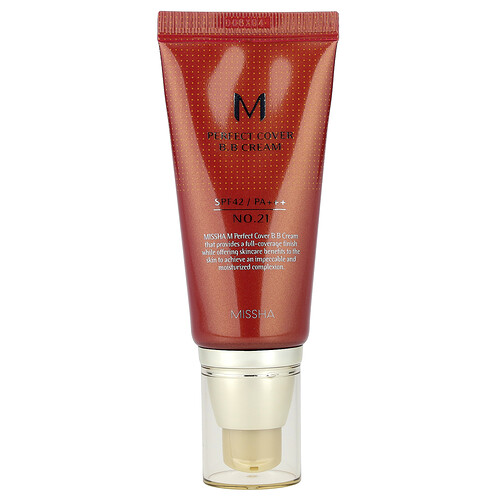
Missha, M Perfect Cover B.B Cream, SPF 42 PA+++, No. 21 Light Beige, 1.69 fl oz (50 ml)
These products aren’t just effective—they’re also super convenient and fun to use, making skincare feel like an experience. It’s no wonder they’ve captured the attention of beauty lovers everywhere.
2. Education and Awareness
K-beauty has also played a big role in teaching us the importance of a consistent, well-rounded skincare routine.
By focusing on layering products to target specific skin concerns, it’s encouraged people around the world to be more mindful and thoughtful about how they care for their skin.
book tip

The Little Book of Skincare
By Charlotte Cho
In this book, Charlotte Cho, co-founder of Soko Glam, takes you inside the world of Korean beauty rituals.
Did you know? When you buy from Bookshop.org, you help support independent bookstores.
Final Thoughts
The unique qualities of Korean skin come from a blend of genetics, environmental factors, and cultural practices working together in harmony.
While genetics lay the foundation, lifestyle choices, environmental conditions, and Korea’s deep cultural focus on skincare all play an equally important role in shaping the skin’s appearance.
Korean skincare, with its mix of tradition and innovation, offers valuable lessons for anyone looking to achieve and maintain healthy, glowing skin.
By understanding and incorporating some of these practices, people from all backgrounds can benefit from the wisdom and effectiveness of Korean skincare.
In the end, the excellence of Korean skin isn’t just about genetics—it’s a holistic approach that combines genetic advantages with thoughtful skincare routines, healthy lifestyle choices, and a culture that prioritizes skin health.
This comprehensive approach serves as a model for anyone hoping to improve their skin’s quality and appearance. It shows that with dedication, knowledge, and the right practices, beautiful skin is within reach for everyone.
*This article is for informational purposes only and should not be considered medical or dermatological advice. Always consult with a dermatologist or qualified skincare professional for personalized recommendations tailored to your skin type and concerns.
Cho, B H. “The politics of herbal drugs in Korea.” Social science & medicine (1982) vol. 51,4 (2000): 505-9. doi:10.1016/s0277-9536(99)00492-x. Abstract only.
Del Bino, Sandra et al. “Clinical and Biological Characterization of Skin Pigmentation Diversity and Its Consequences on UV Impact.” International journal of molecular sciences vol. 19,9 2668. 8 Sep. 2018, doi:10.3390/ijms19092668. Adapted and used under the terms of the Creative Commons Attribution 4.0 International License.
Hubbard, Ashley. "Korean Skin Care Routine: All the Steps From A to Z." Healthline, medically reviewed by Reema Patel, MPA, PA-C, March 31, 2021, https://www.healthline.com/health/beauty-skin-care/korean-skincare-routine#korean-skin-care-steps. Accessed 21 August 2025.
Kim, Michael M, and Patrick J Byrne. “Facial skin rejuvenation in the Asian patient.” Facial plastic surgery clinics of North America vol. 15,3 (2007): 381-6, vii. doi:10.1016/j.fsc.2007.04.007. Abstract only.
Kwon, Y. “The Emergence of K-Beauty: Rituals and Myths of Korean Skin Care Practice.” International Textile and Apparel Association Annual Conference Proceedings, vol. 75, no. 1, 2018, https://www.iastatedigitalpress.com/itaa/article/id/1490/. Adapted and used under the terms of the Creative Commons Attribution 4.0 International License.
, . "Bioactive ingredients in Korean cosmeceuticals: Trends and research evidence." J Cosmet Dermatol. 2020; 19: 1555–1569, https://doi.org/10.1111/jocd.13344. Abstract only.
Park, Eun Hye et al. “Effects of winter indoor environment on the skin: Unveiling skin condition changes in Korea.” Skin research and technology : official journal of International Society for Bioengineering and the Skin (ISBS) [and] International Society for Digital Imaging of Skin (ISDIS) [and] International Society for Skin Imaging (ISSI) vol. 29,6 (2023): e13397. doi:10.1111/srt.13397. Adapted and used under the terms of the Creative Commons Attribution 4.0 International License.
Prasanth, Mani Iyer et al. “A Review of the Role of Green Tea (Camellia sinensis) in Antiphotoaging, Stress Resistance, Neuroprotection, and Autophagy.” Nutrients vol. 11,2 474. 23 Feb. 2019, doi:10.3390/nu11020474. Adapted and used under the terms of the Creative Commons Attribution 4.0 International License.
Sanders, Kate. "Skin-Transforming Secrets from Korean Facialists." RevivaLabs, 17 November 2023, https://www.revivalabs.com/skin-transforming-secrets-from-korean-facialists. Accessed 21 August 2025.
Wang, L., and J. H. Lee. “The Impact of K-Beauty Social Media Influencers, Sponsorship, and Product Exposure on Consumer Acceptance of New Products.” Fashion and Textiles, vol. 8, no. 15, 2021, https://doi.org/10.1186/s40691-020-00239-0. Adapted and used under the terms of the Creative Commons Attribution 4.0 International License.
Yang, Hye Jeong et al. “Association Between Korean-Style Balanced Diet and Risk of Abdominal Obesity in Korean Adults: An Analysis Using KNHANES-VI (2013-2016).” Frontiers in nutrition vol. 8 772347. 20 Jan. 2022, doi:10.3389/fnut.2021.772347. Adapted and used under the terms of the Creative Commons Attribution 4.0 International License.

Malin, co-founder of Courier Beauty, has a BA in Fashion Marketing and a PG certificate in Fashion & Luxury Goods Management. She’s passionate about skin health through nutrition and creates content focused on radiant skin and holistic wellness.