

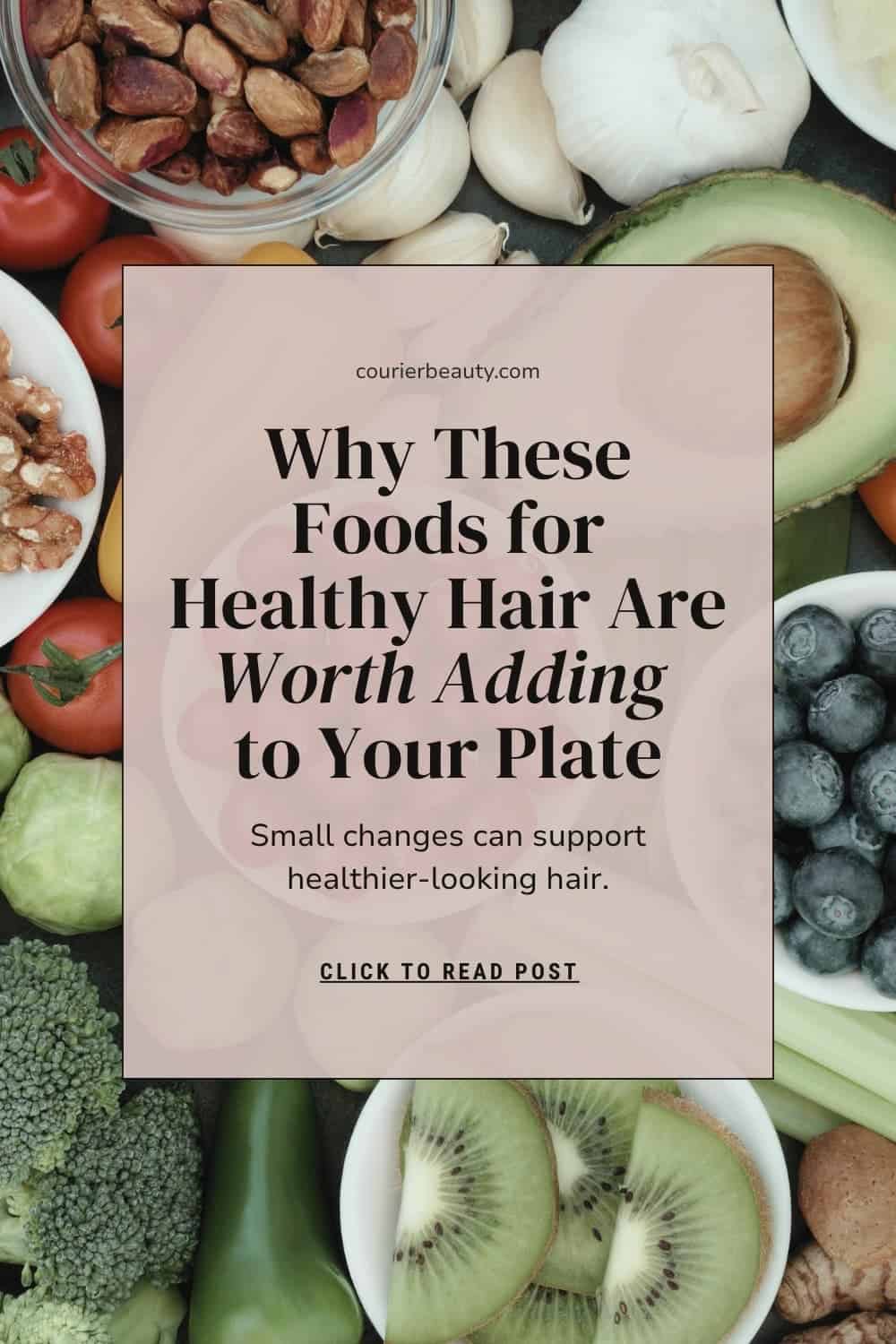
The Best Foods for Healthy Hair (And Why They Matter)
When most people think about healthy hair, the first thing that comes to mind is hair products.
- Shampoos
- Conditioners
- Hair masks
- Serums
While these products can certainly support healthy hair, they’re only part of the picture.
Healthy hair starts from the inside out.
Your hair relies on a steady supply of nutrients to support normal growth, strength, and maintenance.
While no single food can transform your hair overnight, the foods you eat can help create the right conditions for healthier hair over time.
If you’re looking for stronger, shinier, healthier hair, paying attention to your diet is just as important as following a good hair care routine.
This post contains affiliate links, which means we may earn a commission if you purchase through our links—at no extra cost to you. As an Amazon Associate we earn from qualifying purchases. We only recommend products we use or trust. Learn more about affiliate marketing or read our full disclosure.
The Connection Between Nutrition and Hair Health
Your hair might seem separate from the rest of your body, but it depends on many of the same nutrients that support your overall health.
Found this helpful? Pin it for later so you can come back anytime.
To stay healthy, your hair needs a steady supply of nutrients that help support:
- Growth
- Strength
- Structure
- Maintenance
When your body doesn’t get enough of certain nutrients, your hair health may be affected.
That’s why healthy hair isn’t just about the products you use. It’s also influenced by the choices you make in the kitchen.
A balanced diet provides the foundation your body needs to support healthier hair over time.
RELATED POST: The Ultimate Guide to Healthy Hair: Everything You Need to Know
What Healthy Hair Actually Needs
Before looking at specific foods for healthy hair, it helps to understand what your hair needs in the first place.
According to dermatology researchers, the hair shaft is composed primarily of keratin, a structural protein. Because hair is protein-based, adequate dietary protein is essential for normal hair growth and maintenance.
To support healthy hair, your body benefits from nutrients such as:
- Protein
- Iron
- Zinc
- Healthy fats
- Vitamin D
- B vitamins
- Antioxidants
Rather than searching for a single miracle ingredient, focus on eating a wide variety of nutrient-rich foods.
Healthy hair is typically supported by your overall eating habits, not one specific superfood.
1. Eggs
Eggs are often one of the first foods people think of when it comes to healthy hair—and for good reason.
They contain:
- Protein
- Biotin
- Various vitamins and minerals
Protein is especially important because hair is primarily made of it. Including enough protein-rich foods in your diet helps support normal hair growth and maintenance.
Eggs are also versatile, budget-friendly, and easy to include in all kinds of meals.
2. Salmon
Fatty fish like salmon provide a variety of nutrients that support overall health.
Salmon contains:
- Protein
- Healthy fats
- Omega-3 fatty acids
Omega-3 fats play an important role in overall wellness and may also help support a healthy scalp.
Along with salmon, other fatty fish options include:
- Sardines
- Mackerel
- Trout
These foods for healthy hair are an excellent addition to a balanced, nutrient-rich diet.
3. Greek Yogurt
Greek yogurt provides a combination of nutrients that fits well into a healthy eating pattern.
Benefits include:
- Protein
- Calcium
- B vitamins
Protein is one of the key building blocks involved in maintaining healthy hair.
Greek yogurt also works well for:
- Breakfast
- Snacks
- Smoothie ingredients
It’s an easy and convenient way to increase your protein intake throughout the day.
4. Spinach
Leafy greens are packed with nutrients that support overall health.
Spinach contains nutrients such as:
- Iron
- Folate
- Vitamins
Iron plays an important role in many functions throughout the body. Including leafy greens in your meals regularly can help support your overall health and well-being.
Other options include:
- Kale
- Swiss chard
- Mixed greens
Adding a variety of leafy greens to your diet is a simple way to increase your nutrient intake.
5. Avocados
Avocados are popular for good reason.
They contain:
- Healthy fats
- Fiber
- Vitamins
Healthy fats support overall wellness and may also help promote a healthy scalp.
Avocados can be enjoyed in:
- Salads
- Sandwiches
- Smoothies
- Toast toppings
They’re an easy addition to a wide variety of meals.
6. Nuts
Nuts are nutrient-dense foods that provide:
- Healthy fats
- Protein
- Minerals
Popular choices include:
- Almonds
- Walnuts
- Cashews
They make convenient, satisfying snacks and can help support a balanced diet. Because they’re calorie-dense, it’s generally a good idea to enjoy them in moderation.
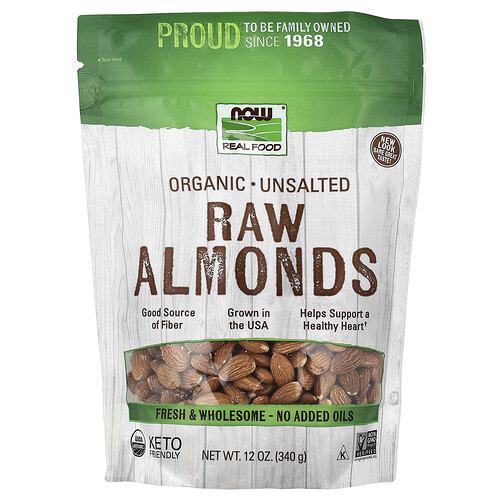
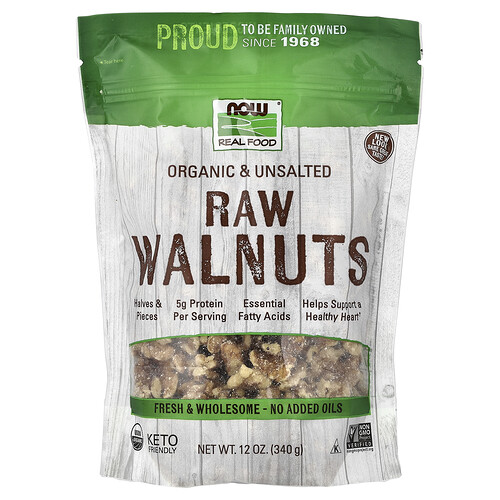
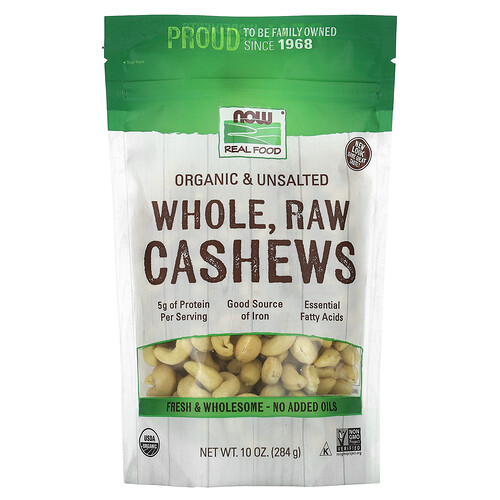
If you’re looking for high-quality nuts, the NOW Foods Real Food range, available on iHerb, is a great choice. Their organic raw almonds, walnuts, and cashews are unsalted, minimally processed, and made with simple ingredients, making them an easy addition to a balanced diet.
7. Seeds
Seeds are easy to overlook, but they’re packed with nutrients.
Examples include:
- Chia seeds
- Flaxseeds
- Pumpkin seeds
- Sunflower seeds
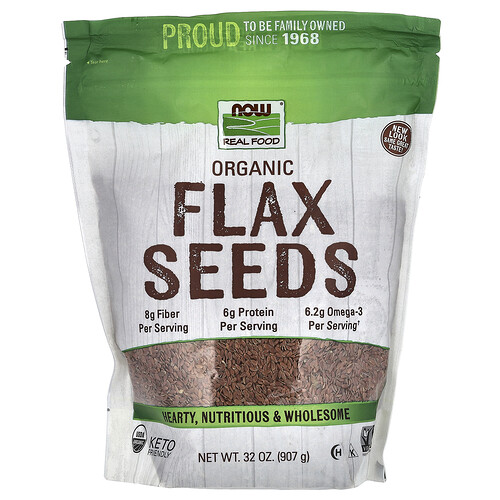
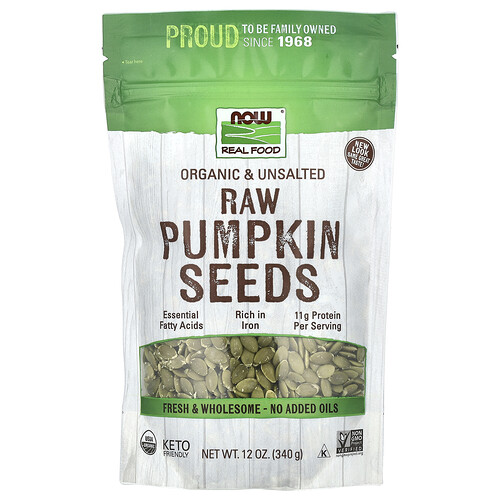
If you’re looking for high-quality seeds, NOW Foods Real Food, available on iHerb, offers organic flax seeds, raw pumpkin seeds, and raw sunflower seeds that are minimally processed and easy to incorporate into everyday meals.
Mamma Chia Organic Chia Seeds are another excellent option for adding chia seeds to smoothies, yogurt, oatmeal, and other recipes.
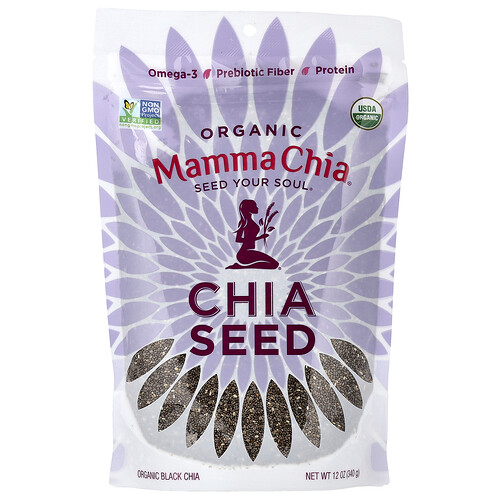
Mamma Chia, Organic Chia Seed, 12 oz (340 g)
These foods provide:
- Healthy fats
- Fiber
- Minerals
Seeds are easy to add to:
- Oatmeal
- Yogurt
- Smoothies
- Salads
Even small amounts can help increase your overall nutrient intake.
Found this helpful? Pin it for later so you can come back anytime.
8. Sweet Potatoes
Sweet potatoes are packed with nutrients that support overall health. They’re also a versatile source of complex carbohydrates.
Many people enjoy sweet potatoes because they’re:
- Filling
- Affordable
- Easy to prepare
Including a variety of colorful vegetables in your diet helps increase nutritional diversity, which is often beneficial for overall health.
9. Berries
Berries are rich in antioxidants and easy to include in a wide variety of meals and snacks.
Popular options include:
- Strawberries
- Blueberries
- Raspberries
- Blackberries
Antioxidants help protect your cells from oxidative stress.
While no single berry will transform your hair on its own, berries are one of many foods for healthy hair that fit well into a balanced diet.
10. Lentils
Lentils are a highly nutritious plant-based food.
They provide:
- Protein
- Fiber
- Iron
They’re also affordable, filling, and incredibly versatile.
Lentils work well in:
- Soups
- Salads
- Curries
- Grain bowls
For people following a plant-based diet, lentils are a nutritious staple that’s easy to include in everyday meals.
If you’re looking for a convenient pantry staple, Arrowhead Mills Organic Red Lentils, available on iHerb, are a great choice. They’re USDA Organic, easy to cook, and work well in soups, curries, grain bowls, and other everyday meals.
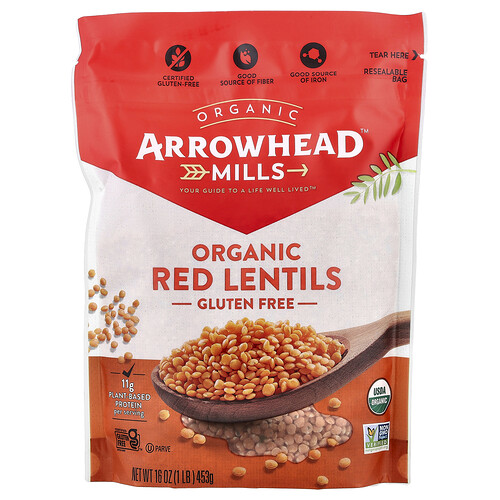
Arrowhead Mills, Organic Red Lentils, 16 oz (453 g)
11. Beans
Beans offer many of the same nutritional benefits as lentils.
Examples include:
- Black beans
- Kidney beans
- Chickpeas
- White beans
These foods provide:
- Protein
- Fiber
- Minerals
They help support overall dietary quality and are easy to add to a wide variety of meals.
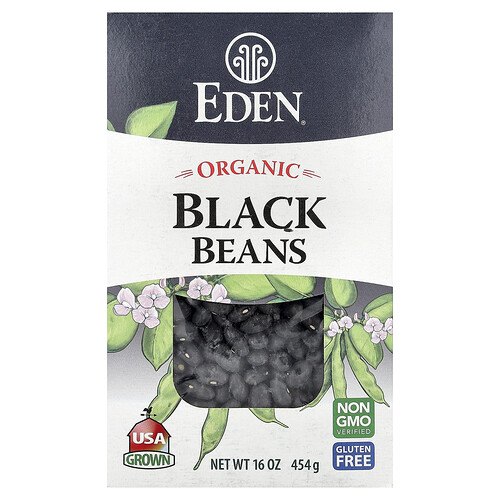
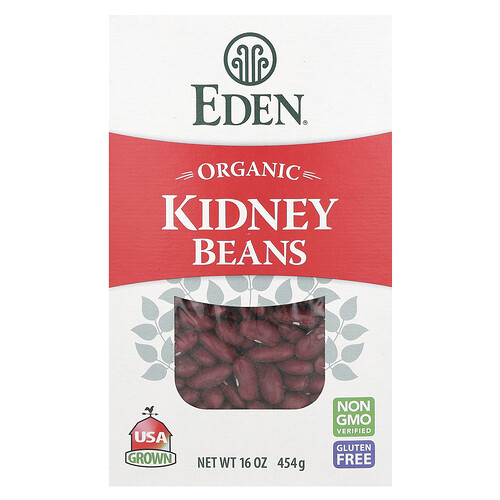
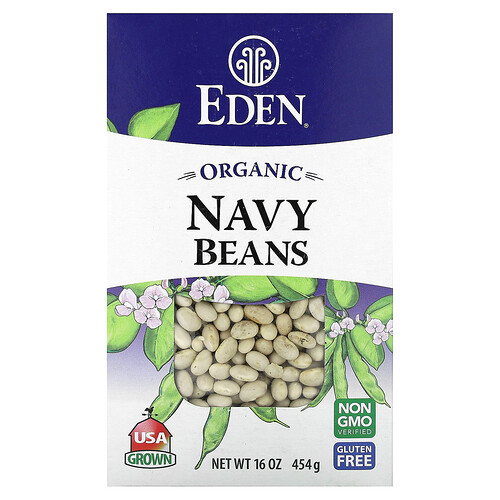
If you’re looking for high-quality organic beans, Eden Foods Organic Black Beans, Organic Kidney Beans, and Organic Navy Beans, available on iHerb, are excellent pantry staples.
Arrowhead Mills Organic Chickpeas are another great option. They’re convenient, versatile, and easy to include in a wide variety of everyday meals.
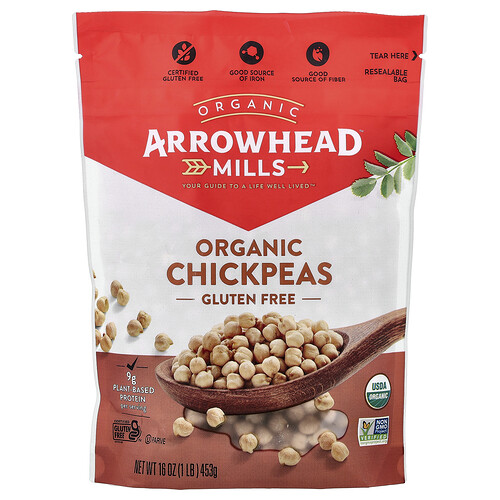
Arrowhead Mills, Organic Chickpeas, 16 oz (453 g)
12. Chicken
Chicken is a lean source of protein, which is especially important because hair is primarily made of protein.
Getting enough protein throughout the day helps support your body’s normal growth and maintenance processes.
Chicken remains a popular choice because it’s:
- Widely available
- Versatile
- Easy to prepare
13. Oats
Oats are a simple, nutritious food that fits easily into a healthy eating pattern.
They provide:
- Fiber
- Complex carbohydrates
- Various nutrients
Starting your day with a balanced breakfast that includes oats is an easy way to support your overall nutritional intake.
You can enjoy oats as:
- Oatmeal
- Overnight oats
- Smoothie additions
- Baking ingredients
If you’re looking for a high-quality whole-grain oat, Bob’s Red Mill Steel Cut Oats, available on iHerb, are an excellent choice. They’re made from whole grain oats, are minimally processed, and work well for hearty breakfasts, overnight oats, and a variety of recipes.
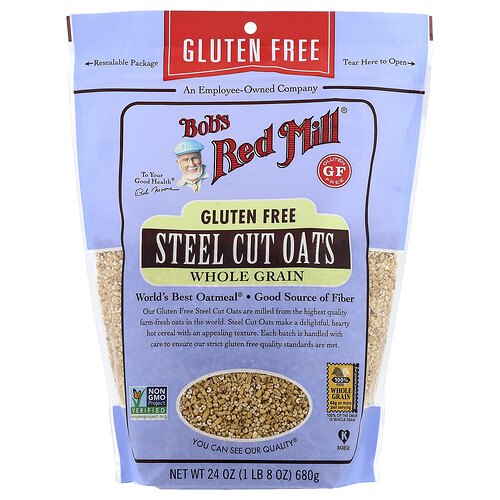
Bob's Red Mill, Steel Cut Oats, Whole Grain, Gluten Free, 24 oz (680 g)
14. Bell Peppers
Colorful vegetables provide important nutrients that contribute to a balanced diet.
Bell peppers are:
- Versatile
- Easy to prepare
- Rich in beneficial nutrients
Adding more colorful vegetables to your meals is a simple way to support overall wellness. In general, the more variety you get from fruits and vegetables, the better.
15. Water
While water isn’t technically a food, it still deserves a place on this list.
Water supports countless functions throughout the body, and staying well hydrated contributes to your overall health and well-being.
Many people spend a lot of time focusing on hair products while overlooking simple habits like drinking enough water.
Staying hydrated won’t instantly change your hair, but it’s still an important part of a healthy lifestyle.
The Key Nutrients Behind Healthy Hair
Rather than focusing too much on individual foods, pay attention to the nutrients they provide.
1. Protein
Hair is primarily made of protein.
Examples include:
- Eggs
- Fish
- Poultry
- Greek yogurt
- Beans
- Lentils
Research suggests that protein deficiency can contribute to increased hair shedding and impaired hair growth because the body prioritizes essential organs over hair production when protein intake is inadequate.
2. Iron
Found in:
- Spinach
- Lentils
- Beans
- Lean meats
3. Healthy Fats
Found in:
- Salmon
- Avocados
- Nuts
- Seeds
4. Antioxidants
Found in:
- Berries
- Vegetables
- Fruits
A balanced diet naturally provides a wide range of these nutrients.
Foods Alone Aren’t the Entire Solution
It’s important to keep your expectations realistic. Diet is just one part of the healthy hair equation.
Hair health is influenced by many factors, including:
- Genetics
- Age
- Hair care habits
- Scalp health
- Lifestyle
- Overall health
Evidence shows that genetics, hormonal factors, medical conditions, medications, stress, nutritional deficiencies, and hair-care practices all influence hair growth and hair loss. Diet is only one part of the overall picture.
Even the healthiest diet can’t completely make up for poor hair care habits. At the same time, the best hair products can’t replace good nutrition.
Healthy hair is usually the result of several healthy habits working together over time.
Nutrition Mistakes That Can Affect Hair Health
Many people focus on adding specific foods while overlooking their overall eating habits.
Some common mistakes include:
1. Skipping Meals
Eating consistently helps support your overall health. When you regularly skip meals, it can be harder to get the variety of nutrients your body needs each day.
Over time, this may affect your overall nutritional intake.
2. Not Eating Enough Protein
Protein plays an important role in hair structure. Because hair is primarily made of protein, getting enough through your diet is important.
Some people unintentionally fall short, especially when following certain eating patterns or restrictive diets.
3. Relying on Supplements Alone
Whole foods naturally provide a broader range of nutrients. While supplements can be helpful in some situations, they shouldn’t replace a balanced diet.
Whole foods also provide fiber and other beneficial compounds that work together as part of a healthy eating pattern.
Experts say supplements should not replace a balanced diet, and routine supplementation without a documented deficiency is not supported by strong evidence. Some vitamins and minerals may even contribute to hair loss when taken in excess.
4. Following Restrictive Diets
Balance is usually easier to maintain than extreme approaches. Highly restrictive diets can make it more difficult to eat a wide variety of nutrient-rich foods.
Studies indicate that nutritional deficiencies associated with restrictive eating patterns can contribute to telogen effluvium and other forms of diffuse hair loss. Maintaining adequate nutrient intake is an important part of supporting normal hair health.
They can also be challenging to stick with over the long term. A balanced eating pattern that includes a variety of foods is often more practical and enjoyable.
Healthy hair benefits from long-term consistency.
RELATED POST: 15 Mistakes Preventing You From Growing Long Healthy Hair
The Most Important Takeaways for Healthy Hair
If all of this feels overwhelming, focus on a few simple principles.
Eat:
- Enough protein
- Plenty of fruits and vegetables
- Healthy fats
- Whole foods
- A variety of nutrient-rich foods
- And don’t forget to stay hydrated.
You don’t need a perfect diet. You just need a balanced one.
The Truth About Healthy Hair Foods
The best foods for healthy hair aren’t exotic superfoods or expensive supplements.
They’re the same everyday foods that support your overall health.
- Protein-rich foods
- Colorful fruits and vegetables
- Healthy fats
- Whole foods
- Hydration
There isn’t a magic ingredient—just the power of consistency.
Final Thoughts
When it comes to healthy hair, what you eat really does matter.
While hair care products can improve the look and feel of your hair, the foods you eat help support the foundation beneath the surface.
- Eggs
- Salmon
- Greek yogurt
- Spinach
- Avocados
- Nuts
- Seeds
- Beans
- Colorful fruits and vegetables.
These foods for healthy hair provide nutrients that support overall wellness and help create an environment where healthy hair can thrive.
Remember, healthy hair is rarely the result of one food, one supplement, or one product. More often, it’s the result of many small choices repeated consistently over time.
So focus on building a balanced diet, support your overall health, and trust that those healthy habits are helping nourish healthier hair from the inside out.
*This article is for informational purposes only and should not be considered medical or dermatological advice. Always consult with a dermatologist or qualified skincare professional for personalized recommendations tailored to your skin type and concerns.

Malin, co-founder of Courier Beauty, has a BA in Fashion Marketing and a PG certificate in Fashion & Luxury Goods Management. She’s passionate about skin health through nutrition and creates content focused on radiant skin and holistic wellness.