
15 Mistakes Preventing You From Growing Long Healthy Hair
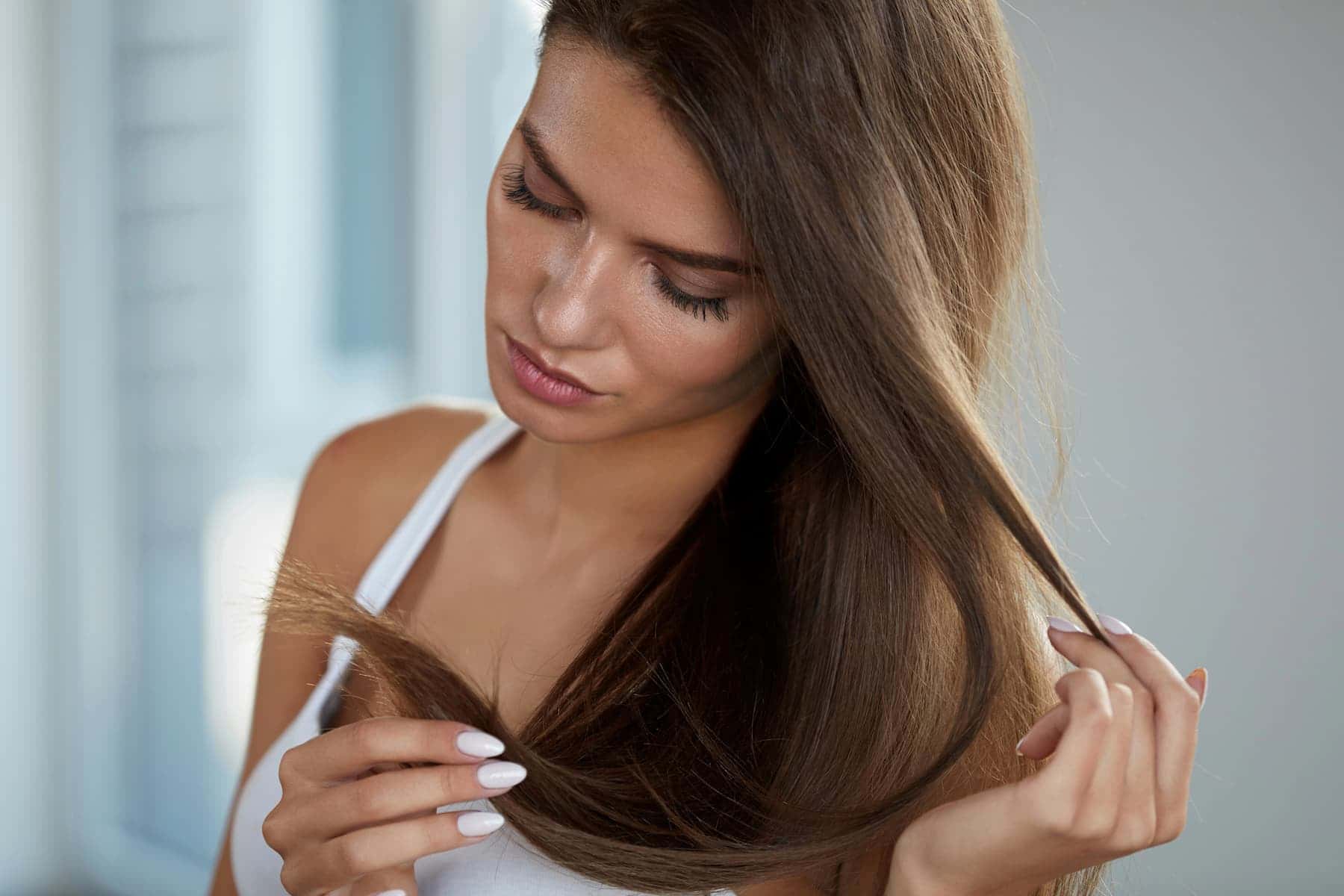
Have you ever felt like your hair just won’t grow past a certain length?
You take care of it.
You buy the products.
You follow hair care tips online.
Yet, year after year, your hair seems to stay the same length. If that sounds familiar, you’re definitely not alone.
One of the biggest myths about growing long hair is that it all comes down to how fast your hair grows.
In reality, many people who struggle to achieve long healthy hair don’t actually have a hair growth problem.
They have a retention problem.
Their hair is growing from the scalp, but breakage, damage, and everyday habits keep them from seeing the length they’ve worked so hard to grow.
The good news?
Many of these mistakes are much easier to fix than you might think. If your goal is long healthy hair, here are some common mistakes that could be standing in your way.
This post contains affiliate links, which means we may earn a commission if you purchase through our links—at no extra cost to you. As an Amazon Associate we earn from qualifying purchases. We only recommend products we use or trust. Learn more about affiliate marketing or read our full disclosure.
The Truth About Long Hair
Before we get into the mistakes, it’s important to clear up a common misunderstanding. Hair growth and hair retention are not the same thing.
Found this helpful? Pin it for later so you can come back anytime.
Hair growth happens at the scalp. Hair retention is your ability to hold on to the length your hair grows.
For example:
If your hair grows half an inch but breaks off by half an inch, it can seem like it’s not growing at all.
That’s why many healthy hair journeys focus just as much on reducing damage as they do on supporting growth.
According to the American Academy of Dermatology, hair breakage occurs along the hair shaft rather than at the root, which means hair may continue growing from the scalp while appearing to stay the same length because damaged strands break off.
In many cases, long healthy hair is less about growing more hair and more about protecting the hair you already have.
Mistake #1: Expecting Overnight Results
One of the most common mistakes people make is expecting fast results. The hair industry is full of products that promise dramatic changes in a short amount of time.
In reality, growing healthy hair is usually a slow and steady process.
Growing long healthy hair takes:
- Patience
- Consistency
- Realistic expectations
People who successfully grow their hair to impressive lengths typically do so over months and years, not just a few weeks.
More often than not, long healthy hair is the result of consistent habits, not quick fixes.
Mistake #2: Using Too Much Heat
Heat styling can be one of the biggest obstacles to growing long healthy hair.
Frequent use of:
- Flat irons
- Curling irons
- Blow dryers
Can contribute to:
- Dryness
- Split ends
- Breakage
Research suggests that repeated exposure to high temperatures damages the hair cuticle and cortex, increasing dryness, brittleness, split ends, and breakage over time.
That doesn’t mean you need to avoid heat completely. However, using it too often can make it much harder to retain length over time.
If you use heat regularly:
- Apply a heat protectant
- Use lower temperatures
- Reduce unnecessary styling sessions
Taking steps to protect your hair today can help you preserve more length over time.
If you’re looking for a heat protectant, the Kérastase Genesis Défense Thermique Blow Dry Primer (available on Amazon) is a popular option for weak or damaged hair.
It’s designed to help protect against heat during styling while leaving hair smoother and easier to manage.
Mistake #3: Ignoring Split Ends
Split ends don’t just stay at the tips of your hair. Over time, they can travel farther up the hair shaft.
This can lead to:
- More breakage
- Ends that look thinner
- Trouble retaining length
Regular trims can help prevent small problems from becoming bigger ones.
Although trims won’t make your hair grow faster, they can help keep it looking healthier and reduce further damage.
Mistake #4: Being Too Rough With Wet Hair
Hair is often at its weakest when it’s wet.
Many people accidentally cause damage by:
- Brushing too aggressively
- Forcing their way through tangles
- Rubbing their hair with a towel
Studies indicate that wet hair is more susceptible to mechanical damage because water temporarily changes the hair fiber’s physical properties, making gentle detangling and reduced friction especially important.
Being a little gentler can make a noticeable difference.
Instead:
- Detangle carefully
- Work from the ends upward
- Use a microfiber towel if preferred
- Avoid excessive friction
Small changes in how you handle your hair can help reduce breakage over time.
If you’re looking for a microfiber towel, the Act+Acre Microfiber Hair Towel (available on Amazon) is designed to absorb excess water gently while helping reduce friction, frizz, and breakage.
Its lightweight, soft design makes it a simple alternative to rubbing your hair with a regular bath towel.
Found this helpful? Pin it for later so you can come back anytime.
Mistake #5: Skipping Conditioner
Some people put most of their focus on shampoo and see conditioner as optional. In reality, conditioner is an essential part of a healthy hair care routine.
Conditioning helps:
- Reduce friction
- Improve softness
- Increase manageability
- Minimize tangling
Evidence shows that hair conditioners reduce friction between hair fibers, improve combability, and help minimize mechanical damage during everyday grooming.
Hair that tangles less often is generally less likely to break. Less breakage makes it easier to retain the length you grow.
If you’re looking for a conditioner, the Kérastase Genesis Fondant Renforçateur Conditioner (available on Amazon) is designed for weak or damaged hair.
It helps detangle, improve manageability, and leave hair feeling softer, making it a good choice for reducing friction during everyday hair care.
Mistake #6: Wearing Tight Hairstyles Too Often
Some hairstyles can place repeated tension on both the hair and scalp.
Examples include:
- Tight ponytails
- Tight buns
- Tight braids
According to the American Academy of Dermatology, wearing tight ponytails, braids, buns, or similar hairstyles repeatedly can place excessive tension on the hair and contribute to breakage and traction-related hair loss.
Over time, constant tension can put extra stress on your hair. Choosing looser styles whenever possible can help reduce unnecessary strain.
Your hairstyle should never be painful. If it hurts, it’s probably too tight.
If you often wear ponytails or buns, switching to a gentler hair tie can make a difference. The Slip Large Silk Scrunchies (available on Amazon) are made from 100% mulberry silk and are designed to hold your hair comfortably while reducing unnecessary pulling and friction.
Mistake #7: Neglecting Your Scalp
Healthy hair starts with a healthy scalp. Yet many people focus all their attention on the lengths of their hair while completely overlooking their scalp.
A healthy scalp should feel:
- Comfortable
- Balanced
- Free from excessive buildup
Research suggests that maintaining a healthy scalp environment is important for normal hair growth because inflammation, excessive buildup, and scalp disorders can interfere with healthy hair production.
Regular cleansing helps remove:
- Oil
- Sweat
- Product residue
Taking care of your scalp creates a healthier foundation for hair growth.
If your scalp feels oily, flaky, or weighed down by product buildup, the ACT+ACRE Cold Processed Scalp Detox Oil (available on Amazon) is designed to be used before shampooing to help remove buildup and support a cleaner, healthier-feeling scalp.
RELATED POST: The Ultimate Guide to Healthy Hair: Everything You Need to Know
Mistake #8: Constantly Switching Products
It’s easy to get tempted by every new hair product you see online. But constantly switching products can make it difficult to know what’s actually helping your hair.
A good hair care routine is often much simpler than people expect. Instead of chasing every new trend, focus on being consistent.
Give products enough time to work before deciding whether they’re effective. Patience often produces better results than constantly starting over.
Mistake #9: Overwashing or Underwashing
There isn’t a one-size-fits-all hair-washing schedule. Some people do well with frequent washing, while others prefer to cleanse less often.
Problems usually happen when your routine doesn’t match your scalp and hair type.
The goal is balance. Your scalp should feel clean and comfortable without becoming overly dry or overly oily.
Paying attention to your hair’s needs is often more effective than following strict rules.
Mistake #10: Not Protecting Your Hair While Sleeping
Your nighttime routine matters more than you might think.
While you sleep, your hair can experience friction from:
- Pillowcases
- Tossing and turning
- Tangling
Over time, that friction can contribute to breakage.
Many people find it helpful to use:
- Silk pillowcases
- Satin pillowcases
- Silk bonnets
- Loose protective hairstyles
Protecting your hair overnight can help you retain more of the length you grow.
If you’d like to switch to a silk pillowcase, the Slip Pure Silk Pillowcase (available on Amazon) is made from 100% mulberry silk and is designed to create a smoother sleeping surface for your hair.
It complements a gentle nighttime routine aimed at reducing friction while you sleep.
Mistake #11: Following Every Hair Trend
Hair trends can be fun to try, but not every trend supports long-term hair health. Some popular techniques focus more on appearance than on keeping your hair healthy.
Before trying a new trend, ask yourself:
- Is this suitable for my hair type?
- Will this support my long-term goals?
- Does this align with healthy hair care?
Not every trend needs to become part of your routine.
Mistake #12: Neglecting Nutrition
Your hair health is closely connected to your overall health. While no single food can instantly transform your hair, nutrition plays an important role.
A balanced diet should include:
- Protein
- Healthy fats
- Fruits
- Vegetables
- Whole grains
According to research nutrients such as protein, iron, zinc, and several vitamins play important roles in normal hair growth, and nutritional deficiencies may contribute to hair problems.
Your hair relies on nutrients to support normal growth and maintenance. Focusing only on products while overlooking your overall health can often slow your progress.
Mistake #13: Comparing Your Hair Journey to Someone Else’s
This is one of the most common mistakes people make. It’s important to remember that everyone’s hair journey is different.
Factors such as:
- Genetics
- Hair type
- Lifestyle
- Health
- Age
can all affect how your hair grows and looks.
Comparing your progress to someone else’s can create unrealistic expectations. Instead, focus on improving your own hair rather than trying to match someone else’s timeline.
Mistake #14: Using Excessive Chemical Treatments
Hair coloring, bleaching, and other chemical treatments can affect the strength and condition of your hair.
Research indicates that bleaching, coloring, relaxing, and other chemical treatments alter the hair shaft, making hair weaker and more prone to breakage when performed frequently.
That doesn’t mean you have to avoid them completely. However, chemically treated hair often needs extra care and attention.
If your goal is long healthy hair, reducing unnecessary damage becomes even more important.
Try to balance your beauty goals with your hair health goals.
Mistake #15: Treating Hair Growth Like a Short-Term Goal
Perhaps the biggest mistake of all is giving up too soon. Healthy hair growth is rarely dramatic or immediate.
Progress often shows up gradually through:
- Less breakage
- Stronger strands
- Healthier ends
- Better manageability
Many people give up just before their efforts begin to pay off. When it comes to growing long healthy hair, consistency matters far more than perfection.
Signs Your Hair Is Retaining More Length
If you’re reducing damage and improving your routine, you may start to notice:
- Fuller ends
- Less breakage
- Fewer split ends
- Reduced tangling
- More consistent length retention
These signs often appear before you see dramatic increases in length. Pay attention to them—they can be strong indicators that your routine is working.
What Actually Helps Long Healthy Hair?
If all of this feels a little overwhelming, focus on the basics.
The habits that often make the biggest difference include:
- Gentle handling
- Consistent conditioning
- Scalp care
- Heat protection
- Balanced nutrition
- Protective nighttime habits
- Regular trims when needed
- Patience
These habits may not sound especially exciting, but they’re often far more effective than chasing miracle solutions.
The Long Hair Mindset Shift
One of the most valuable mindset shifts you can make is realizing that growing healthy hair isn’t only about getting your hair to grow.
It’s about protecting the hair that grows.
Every time you reduce breakage, protect your ends, and support your hair’s overall health, you’re helping it retain more length.
That’s often where the biggest transformations happen—not because your hair suddenly starts growing faster, but because you’re able to keep more of the length you grow.
Final Thoughts
If your hair seems stuck at the same length, don’t assume it isn’t growing. In many cases, growth isn’t the problem.
Retention is.
The mistakes that prevent long healthy hair are often small habits repeated consistently over time:
- Too much heat.
- Rough handling.
- Neglecting scalp health.
- Skipping conditioner.
- Ignoring split ends.
The good news is that small improvements, repeated consistently, can lead to meaningful results. Focus on protecting your hair, reducing damage, and staying consistent with your routine.
Because growing long healthy hair usually isn’t about finding a miracle product. It’s about avoiding the mistakes that get in the way of the growth that’s already happening.
Over time, those small changes can add up to a remarkable difference.
*This article is for informational purposes only and should not be considered medical or dermatological advice. Always consult with a dermatologist or qualified skincare professional for personalized recommendations tailored to your skin type and concerns.

Linda, co-founder of Courier Beauty, holds a BA in Fashion Marketing, a PG certificate in Fashion & Luxury Goods Management, and a Diploma in Natural Health Nutrition & Diet. Inspired by photography, food, and travel, she loves holistic beauty and nourishing the skin naturally.