The Hidden Truth Behind Our Overuse of Skincare Products

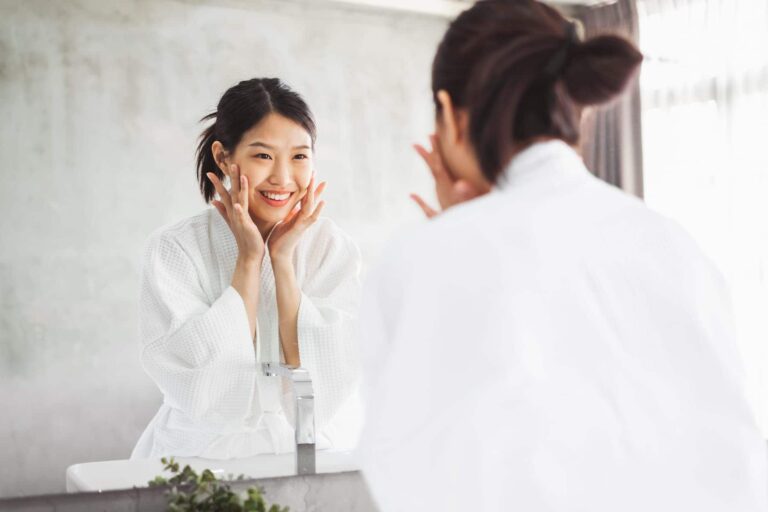
Be honest—how many skincare products are on your shelf right now?
If you’re like most women, it’s probably more than you actually need. In our quest for perfect skin, we’ve fallen into the trap of buying product after product—each one promising to be the miracle fix.
But here’s the thing: our overuse of skincare products might be doing more harm than good.
Our skin knows how to take care of itself. When we overload it, we throw off its natural balance—leading to irritation, breakouts, and long-term damage. Not exactly the glow we were going for.
So why are we really doing this? Is it for ourselves—or are we chasing unrealistic beauty standards?
In this article, I’ll dig into the truth behind our overuse of skincare products—and why scaling back might be the best thing you can do for your skin.
Let’s dive in!
Why Are We So Obsessed With Skincare Products?
Let’s be real—skincare isn’t just a routine anymore, it’s a full-blown obsession.
We’re constantly hit with ads, influencer beauty routines, and trending products that promise glowing, flawless skin and eternal youth.
Found this helpful? Pin it for later so you can come back anytime.

And it’s easy to get swept up in it. A new serum, a viral mask, the latest “holy grail” cream—it all sounds so convincing. Before you know it, your shelf is full, your routine takes 20 minutes, and your skin is… still confused.
The truth is, using too many products—or constantly switching them up—can do more harm than good.
It can throw off your skin’s natural balance, leaving it irritated, stressed, and anything but happy.
And here’s something we all need to hear: flawless skin doesn’t exist. It’s a myth, carefully sold to us by the beauty industry.
Real skin has pores, texture, and the occasional breakout. That’s normal!
So instead of chasing perfection, why not focus on what your skin actually needs? A few simple, gentle products. Less guesswork, less stress, and way more peace of mind.
Because this skincare obsession?
It’s exhausting. It’s expensive. And honestly—it’s not doing our skin any favors.
Are Your Products Helping—or Hurting Your Skin?
In the pursuit of perfect skin, it’s easy to fall into the trap of thinking more is better. If one product helps, then surely three or four must be even better… right?
Not exactly.
Overloading your routine with multiple products can actually backfire. Instead of improving your skin, it can lead to irritation, breakouts, and a whole host of issues you didn’t sign up for.
That’s because many skincare products contain active ingredients—and not all of them play nice together.
Some combinations can cancel each other out. Others can increase the concentration of certain ingredients past safe levels. Either way, your skin ends up confused, overwhelmed, and stressed out.
And here’s something most people don’t realize: your skin already has a built-in defense system.
It’s called the acid mantle—a thin protective barrier that helps maintain your skin’s pH and keeps irritants out. When we overload our skin or constantly switch products, we risk damaging that barrier.
The result?
Dryness, sensitivity, inflammation, and a cycle of chasing solutions that only create more problems.
RELATED POST: Understanding the Role of Acid Mantle for Great Skin
And let’s not forget the financial side of it all. Skincare isn’t cheap—and we often end up buying products we don’t need, only for them to gather dust on the bathroom shelf.
The good news?
Simplifying your routine doesn’t just save your skin—it saves your wallet, too.
When you focus on what your skin truly needs, it finally has a chance to breathe, heal, and thrive.
But how do you know if you’ve already crossed the line and are using too many products? It’s not always obvious, but there are some key signs your skin is trying to tell you it’s had enough.
Let’s take a look at the red flags that might indicate your skincare routine is more overwhelming than effective.
6 Signs You Are Using Too Many Skincare Products
Finding the right balance in your skincare routine is key to maintaining healthy skin. But if you’re overloading your skin with too many products, it can backfire.
Are you overwhelming your skin without realizing it?
Here are 6 signs that you might be using more products than your skin can handle:
1. You Have Skin Rashes or Irritation
Notice redness, itching, or inflammation on your skin?
These could be signs of irritation caused by layering too many products.
It’s especially common when you’re using multiple exfoliating treatments, which can strip your skin’s protective barrier and leave it feeling sensitive and raw.
2. You’re Experiencing Breakouts
Acne-prone skin requires extra care, but the truth is, using too many products can actually make breakouts worse.
When you overdo it with harsh treatments, you strip your skin of its natural oils. This can trigger a rebound effect, leaving your skin even more prone to breakouts than before.
3. Your Skin Feels Sensitive or Tight
Does your skin often feel sensitive or uncomfortably tight?
That could be a sign you’re using too many products with harsh ingredients. This can lead to inflammation and irritation, making your skin feel anything but healthy.
Excessive cleansing is another culprit. Scrubbing your face too much can cause mechanical damage, messing with your skin’s pH balance.
Foaming cleansers, in particular, are notorious for leaving skin feeling tight, dry, and damaged, especially after washing.
RELATED POST: How to Balance Skin pH Level for Healthy Glow
4. Your Skin is Shiny or Greasy
When you use too many products, it can actually trigger your skin to produce more oil, leading to a shiny or greasy appearance.
This happens because an overloaded skincare routine can mess with your skin’s natural pH balance, causing it to overcompensate by producing more sebum (oil) than usual.
Found this helpful? Pin it for later so you can come back anytime.

5. Your Skin is Dry or Oily
When you overload your skin with multiple products—or go overboard with exfoliation—you can disrupt its natural oil production.
This can lead to either excessive dryness or oiliness.
And what usually happens next?
You reach for even more products, which might seem like a solution but could end up making the problem worse.
6. Your Products Aren’t Absorbing Properly
If your skin feels like it’s just not absorbing your products, it could be a sign you’re using too many at once.
Layering product after product can prevent your skin from properly absorbing the ingredients, meaning your routine isn’t as effective as it could be.
How to Find Balance in Your Skincare Routine
Finding balance in your skincare routine is key to maintaining healthy, glowing skin.
The goal isn’t to pile on as many products as possible but to know exactly what your skin needs and use the right products. When you do this, your skin will thank you.
Here are 4 tips to help you strike the perfect balance in your skincare regimen:
1. Know Your Skin Type
Did you know many people misjudge their skin type?
If you don’t know your skin type, you might end up using the wrong products, which can cause issues like irritation or dryness.
Here are the main skin types:
|
Skin Type |
Characteristics |
|
Normal Skin |
Smooth, even texture with no visible pores. It’s hydrated, firm, and flexible. |
|
Dry Skin |
No visible pores, may have redness, eczema, or rosacea. It feels rough, cold, and tight to the touch. |
|
Oily Skin |
Shiny appearance, large pores, and uneven texture. It feels thick and slick to the touch, with excessive oil production. |
|
Sensitive Skin |
Prone to redness, irritation, scaling, and visible signs of rosacea or inflammation. |
|
Aging Skin |
Often appears dull, with uneven texture, wrinkles, and enlarged pores. It can feel thin, dry, and less elastic. |
Remember, your skin type can change over time, so it’s important to re-evaluate your skin’s needs as you age.
2. Simplify Your Routine
When it comes to skincare, less is often more.
Instead of layering product after product, focus on a few high-quality essentials that target your skin’s specific needs.
Choose products with gentle, non-irritating ingredients, and be mindful not to over-exfoliate—this is one of the easiest ways to damage your skin barrier.
Also, keep an eye out for synthetic additives like BHA (butylated hydroxytoluene) and BHT (butylated hydroxyanisole).
These are common in moisturizers and lipsticks and have been linked to skin irritation and dermatitis in some people.
When in doubt, simpler formulas are usually safer—and often more effective.
3. Listen to Your Skin
Your skin is constantly sending you signals—so tune in.
If you’re noticing redness, dryness, breakouts, or irritation, it could be your skin’s way of saying, “Hey, this is too much.”
Instead of pushing through with a full routine, take a step back. Give your skin a break by simplifying your regimen.
Sometimes, the best thing you can do is pause, scale back, and allow your skin to reset.
Remember: healthy skin doesn’t doesn’t feel tight, sting, or tingle.
If something feels off, it probably is.
Paying close attention to how your skin responds will help you make smarter choices—and avoid unnecessary damage.
4. Don’t Be Afraid to Ask for Help
Feeling overwhelmed by all the skincare advice out there?
You’re not alone—and you don’t have to figure it all out on your own, either.
Seeing a dermatologist or a licensed esthetician can be a game-changer. They can take the guesswork out of your routine by assessing your skin and recommending products that truly suit your skin type and concerns.
Skincare isn’t one-size-fits-all. What works wonders for someone else might not work for you—and that’s okay.
Getting professional guidance can help you cut through the noise, avoid product overload, and create a routine that actually works for you.
How the Beauty Industry Fuels Our Insecurities
Let’s be honest—the beauty industry is a master at playing on our insecurities.
From flawless, airbrushed faces in ads to influencers sharing 12-step routines with “must-have” products, we’re constantly being told we need more to look our best.
The pressure to buy, try, and repeat is relentless.
But here’s the thing: no product (or pile of products) will give you “perfect” skin—because perfect skin doesn’t exist.
Like everything else in life, your skin has good days and bad days. That’s normal.
The problem is, when we let those insecurities take over, we often end up doing more harm than good—overloading our skin and draining our wallets in the process.
So instead of chasing perfection, let’s shift the focus.
Start with self-care that actually works:
- Eat nourishing food
- Move your body
- Get enough sleep
- Slow down when you need to
That’s the kind of routine that creates real radiance—from the inside out.
When you take care of yourself, your skin reflects that. And no overpriced serum can replace that kind of glow.
RELATED POST: 5 Ways the Skincare Industry Changed Due to the Pandemic
Final Thoughts
If you’ve been chasing perfect skin with a shelf full of products, you’re not alone—and you’re definitely not failing.
The truth is, we’ve all been sold the idea that more is better. But as we’ve seen, the overuse of skincare products can do more harm than good.
Your skin doesn’t need a million steps. It needs understanding, patience, and care.
By learning your skin type, simplifying your routine, and listening to what your skin is actually telling you, you can break free from the cycle of overdoing it—and finally give your skin a chance to breathe.
Remember: the beauty industry thrives when we believe we’re not enough.
But real beauty?
It starts when we stop trying to fix what was never broken in the first place.
So take a breath. Let your skin rest. And know that sometimes, the best thing you can do… is less.
*This article is for informational purposes only and should not be considered medical or dermatological advice. Always consult with a dermatologist or qualified skincare professional for personalized recommendations tailored to your skin type and concerns.
Baker, P., Huang, C. et al. "Skin Barrier Function: The Interplay of Physical, Chemical, and Immunologic Properties." Cells, vol. 12, 2023, p. 2745, https://doi.org/10.3390/cells12232745. Adapted and used under the Creative Commons Attribution 4.0 International License.
Huang, Ying-Xue et al. “Effects of skin care habits on the development of rosacea: A multi-center retrospective case-control survey in Chinese population.” PloS one vol. 15,4 e0231078. 27 Apr. 2020, doi:10.1371/journal.pone.0231078. Adapted and used under the terms of the Creative Commons Attribution 4.0 International License.
Jordan, Laura, and Hilary E Baldwin. “Stratum Corneum Abnormalities and Disease-Affected Skin: Strategies for Successful Outcomes in Inflammatory Acne.” Journal of drugs in dermatology : JDD vol. 15,10 (2016): 1170-1173, 27741332.
Nayak M, Ligade VS, Prabhu SS. “Awareness level regarding adverse reactions caused by cosmetic products among female patients: A cross-sectional study.” J Cosmet Dermatol., 2023; 22: 2512-2519, doi:10.1111/jocd.15734. Adapted and used under the terms of the Creative Commons Attribution 4.0 International License.
Oliveira, Rita et al. "An Overview of Methods to Characterize Skin Type: Focus on Visual Rating Scales and Self-Report Instruments" Cosmetics 10, no. 1: 14, 2023, https://doi.org/10.3390/cosmetics10010014. Adapted and used under the terms of the Creative Commons Attribution 4.0 International License.
Yarbrough, Jessica L. "Halt the Face Acids: Here’s How to Know If You’re Over-Exfoliating." Healthline, medically reviewed by Cynthia Cobb, DNP, APRN, WHNP-BC, FAANP, updated on 25 May 2019, https://www.healthline.com/health/beauty-skin-care/over-exfoliating. Accessed 12 March 2024.

Malin, co-founder of Courier Beauty, has a BA in Fashion Marketing and a PG certificate in Fashion & Luxury Goods Management. She’s passionate about skin health through nutrition and creates content focused on radiant skin and holistic wellness.